

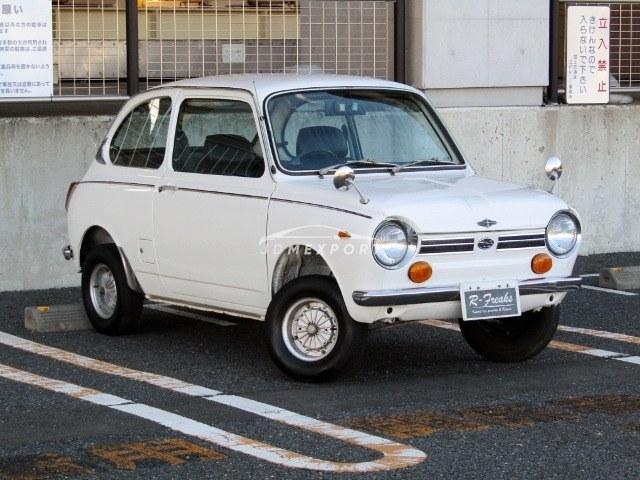
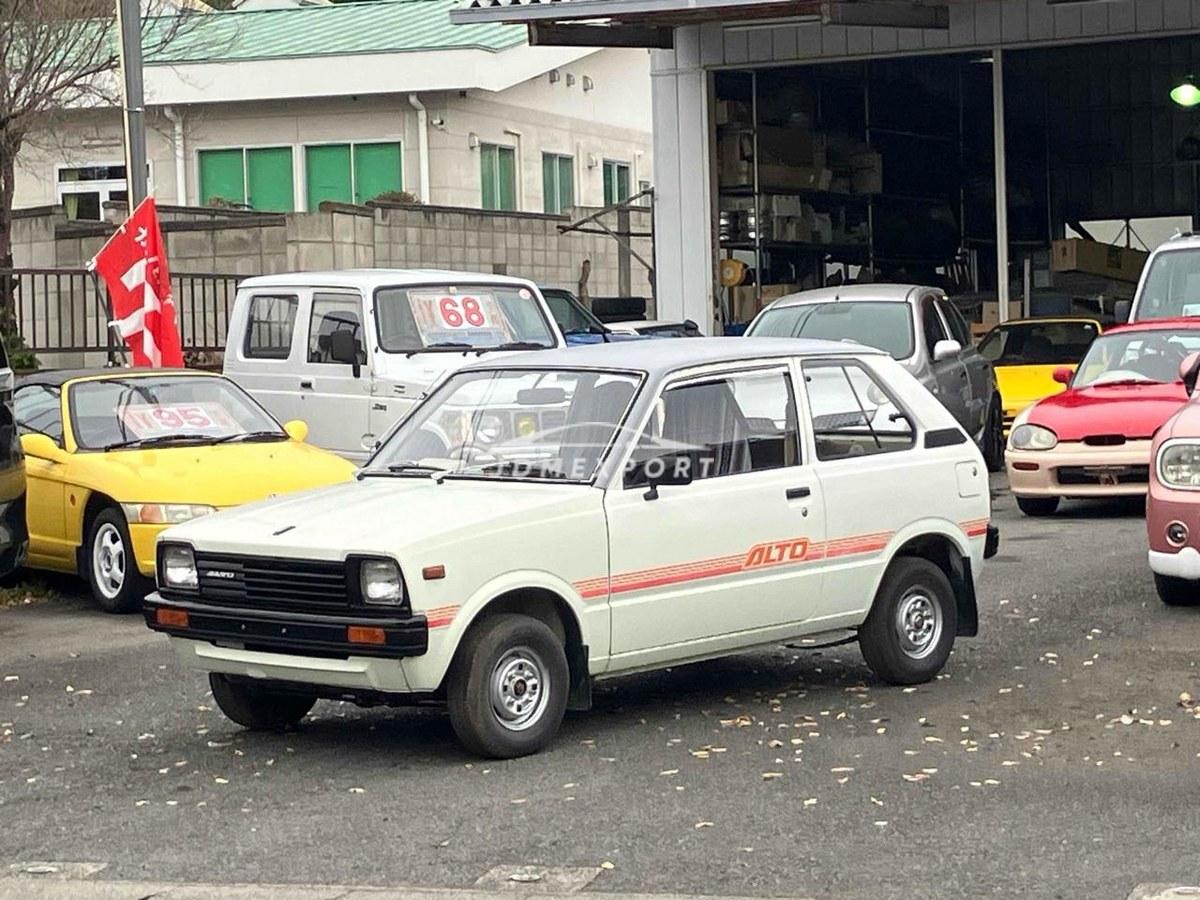

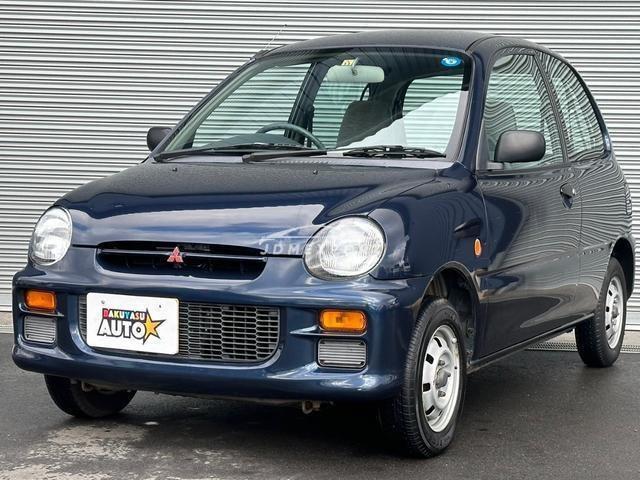
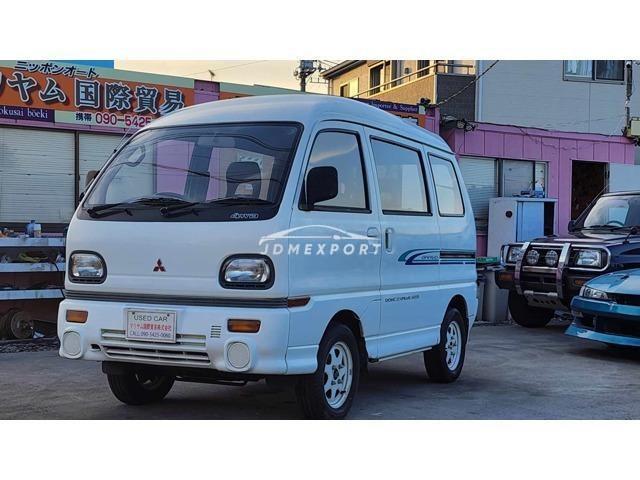
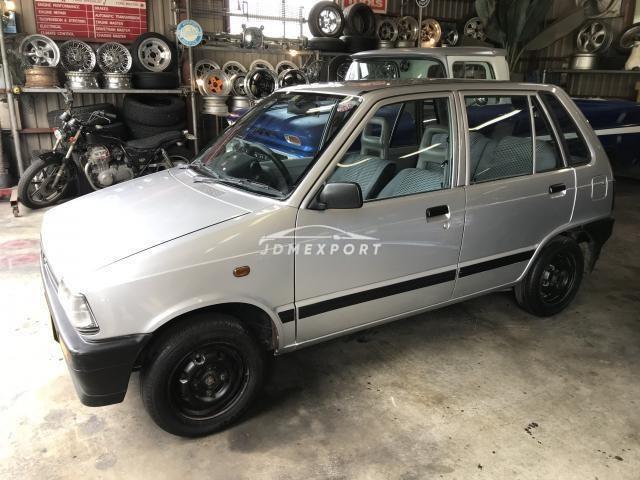
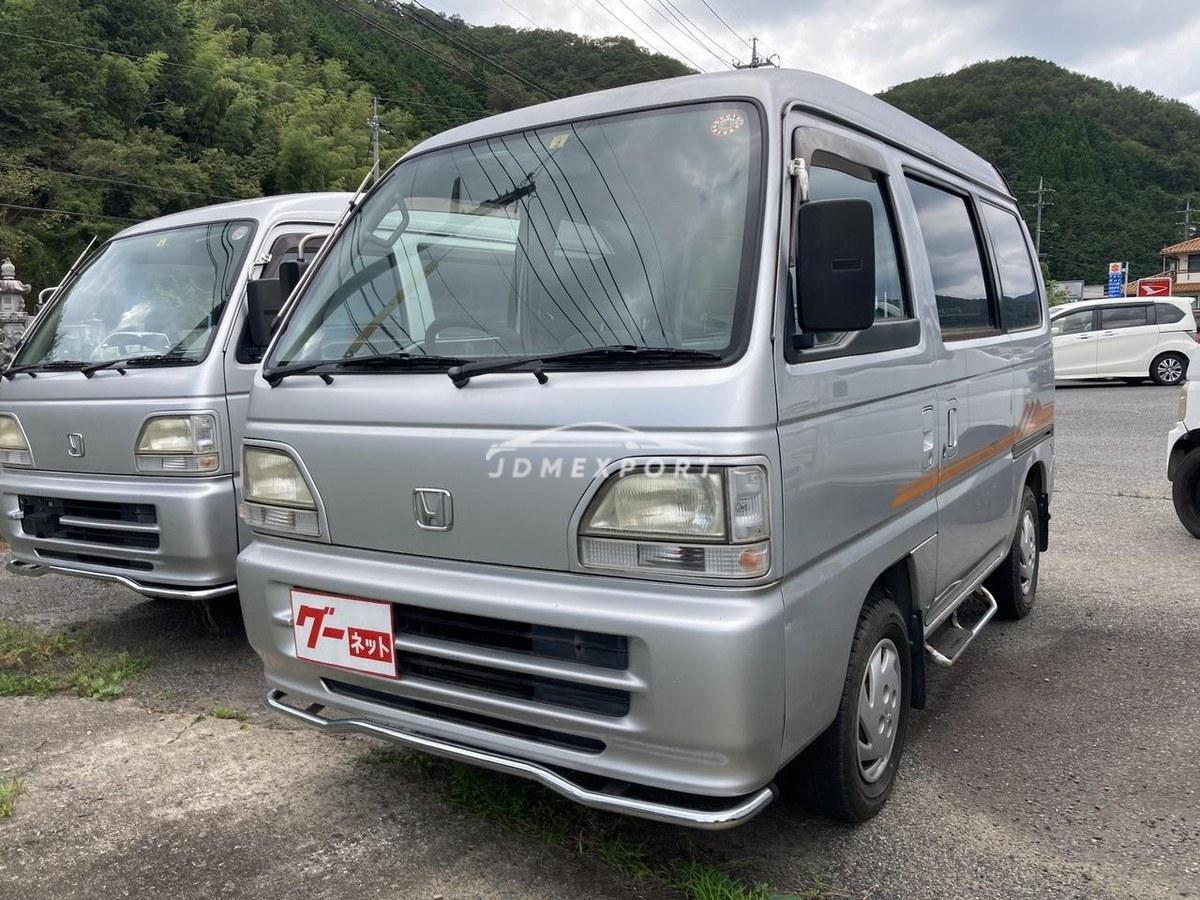
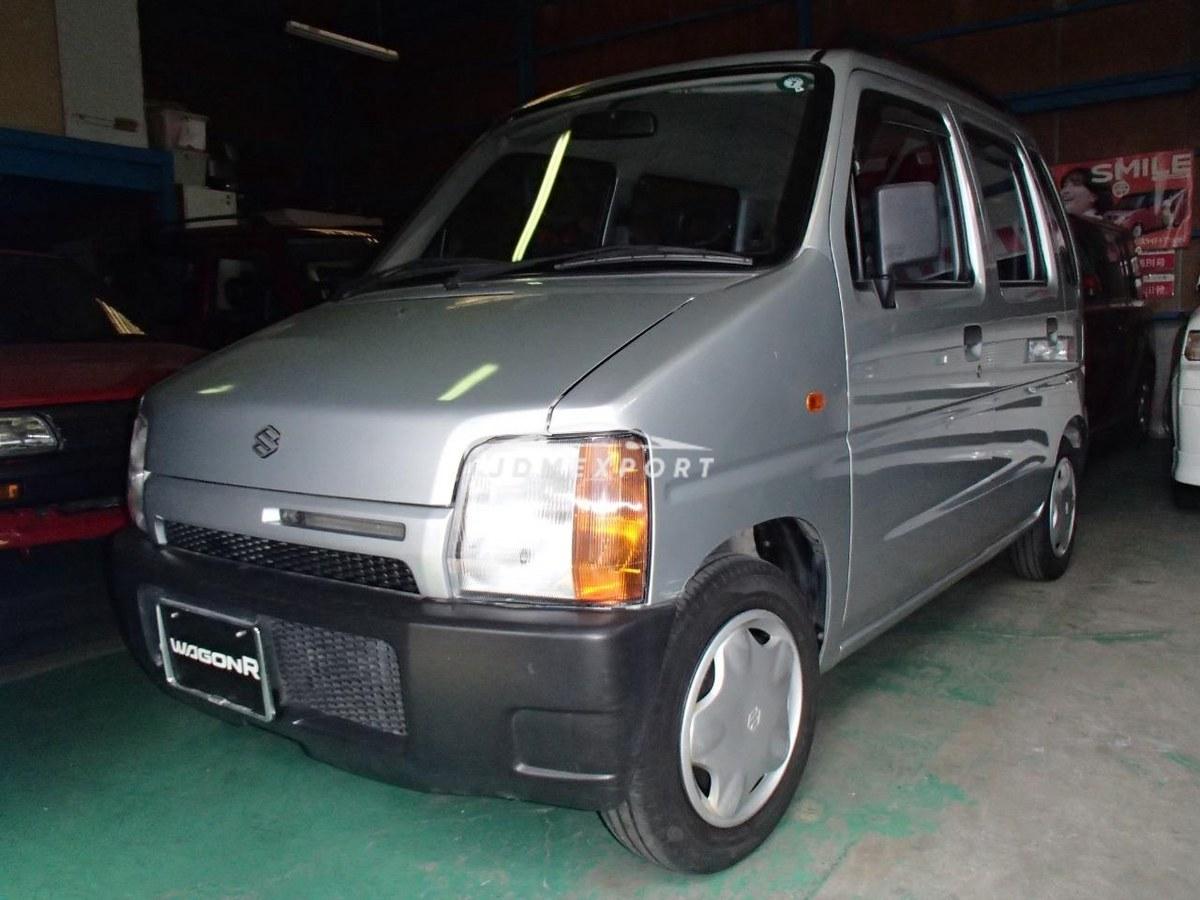

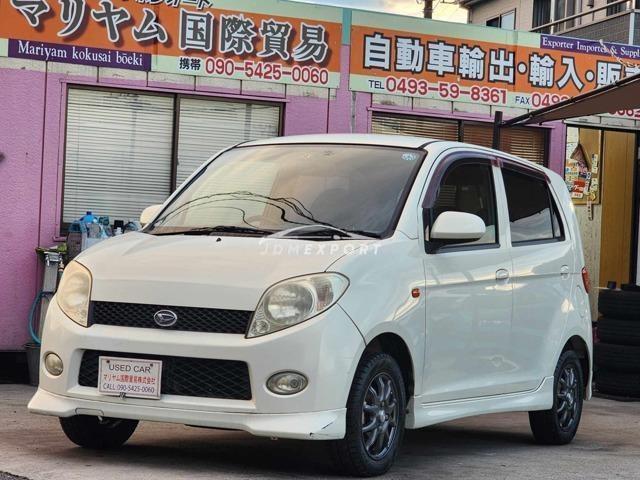
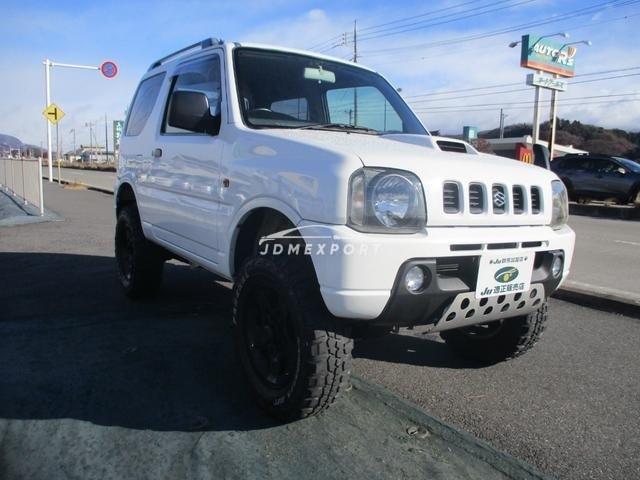

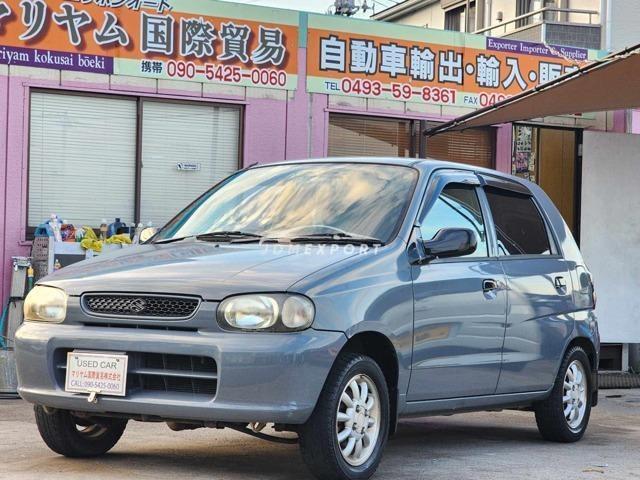
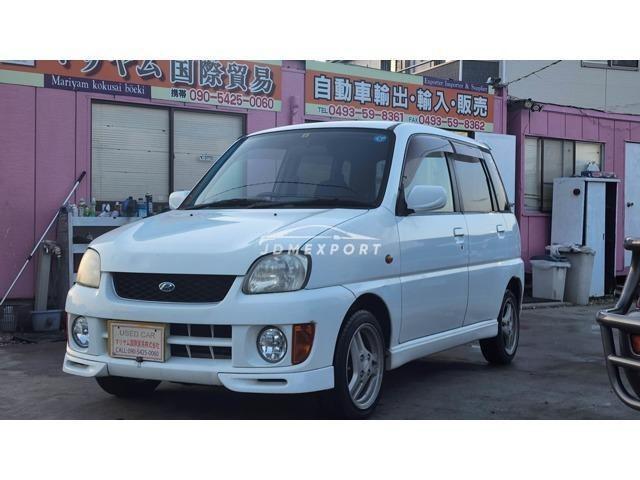

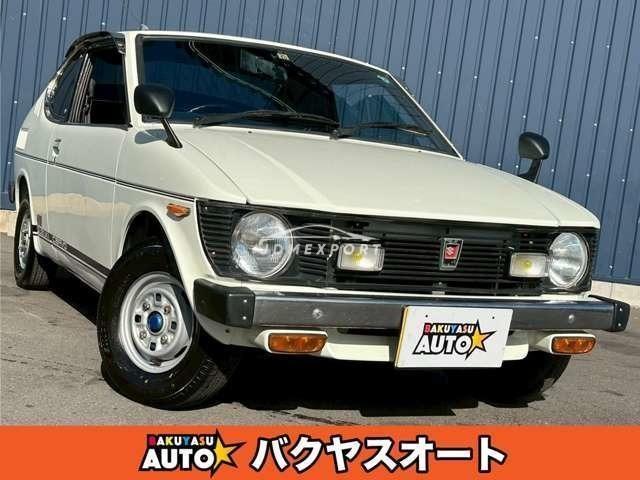
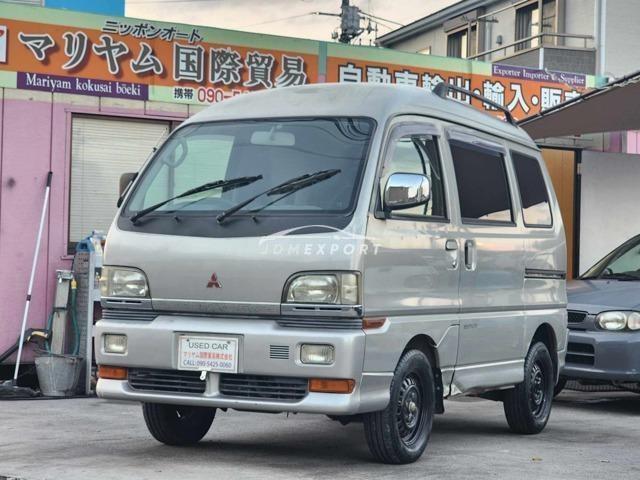
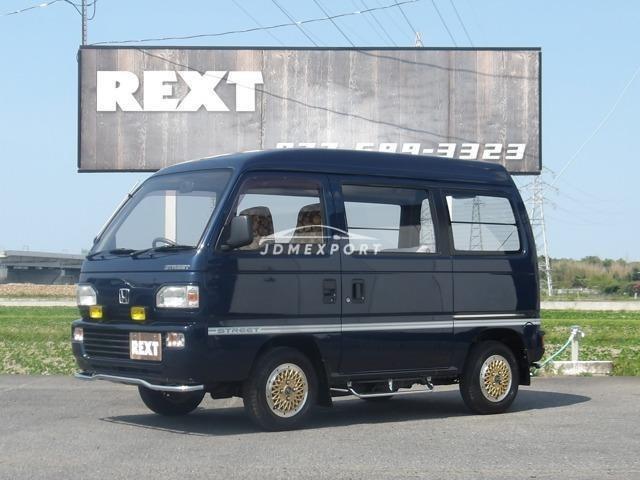
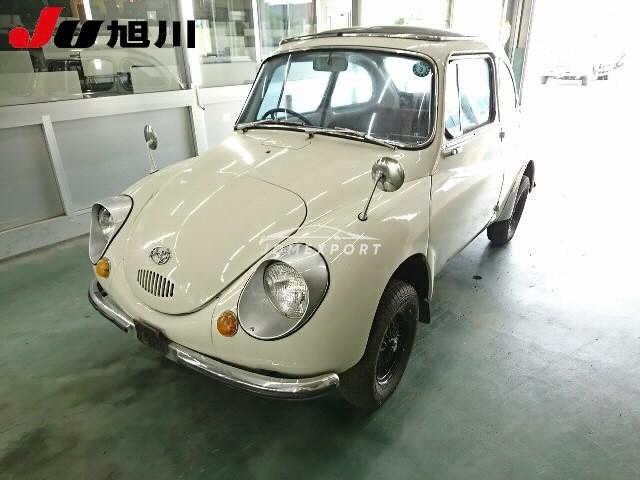
If you park a modern mid-size sedan next to a Japanese kei car, the sedan looks like a boat. But step inside one of these mini Japanese imports, and the first thing you notice is how much room you actually have. Japanese designers spent decades mastering interior space, squeezing every millimeter out of a small frame. You get an affordable, fuel-efficient daily driver that handles tight city corners with ease.
The Secret Behind Japan’s Tiny, Clever Cars
In Japan, a kei car (short for keijidousha, or light vehicle) is a distinct class of ultra-compact automobiles built to strict government limits. To qualify, these cars must stay under 3.4 meters long, 1.48 meters wide, and run an engine no larger than 660cc.
Instead of building cramped economy cars, Japanese automakers turned these harsh limits into a masterclass in packaging. The result is a category of small, clever vehicles packed with standout features:
- Shocking interior room: By pushing the wheels to the extreme corners, raising rooflines, and flattening floorboards, these cars offer head and legroom that rivals much larger crossovers.
- Maximized cargo space: High seating positions give you great visibility, while seats fold entirely flat to turn a simple commuter into a mini cargo carrier.
- Affordable running costs: The lightweight frames and efficient 660cc engines sip fuel, making them remarkably cheap to run and maintain.
- Effortless parking: Their small footprint lets you zip through tight traffic, navigate narrow driveways, and slip into parking spots standard cars have to pass up.
Simply put, they offer all the practical utility of a full-size car without any of the extra weight, bulk, or high gas bills.
Iconic Japanese Kei Cars You Can Import
Beyond practical mini trucks and microvans, the kei class birthed some of Japan’s most thrilling sports cars and capable mini 4x4s. Japanese automakers used those strict size regulations to build high-revving roadsters, mid-engine coupes, and trail-ready SUVs that deliver massive personality in a compact frame.
Micro sports cars
Meet the holy trinity of lightweight, high-revving kei micro sports cars from Mazda, Honda, and Suzuki from the early 90s:
- Mazda Autozam AZ-1
Created by Mazda Autozam, a sporty sub-brand. The most exotic member of the bunch. Built around a lightweight mid-engine platform with a turbocharged 660cc engine, the AZ-1 flaunts instantly recognizable gullwing doors and low-slung supercar-inspired aggression on a tiny scale.
- Honda Beat
Honda Beat features a lightweight mid-engine, rear-wheel drive platform with a high-revving, naturally aspirated 3-cylinder engine boasting Honda’ unique MTREC individual throttle body system. It provides bone-shaking road feel and delightful open-top driving enjoyment all the way up to 8500 RPM.
- Suzuki Cappuccino
It’s a classic Japanese roadster with a front-engine rear-wheel-drive layout. And the sweetest part? Thanks to an equal weight distribution between the front and rear axles, it handles like it has a mid-engine! A small turbocharged engine powers this amazing convertible. Top does away in 3 styles with its removable roof; It works as a hard-top, targa and the full convertible!
Off-road micro SUVs
Digging through dirt and snow? No problem. Japan engineered these small off-road adventures on rugged full ladder frames that could embarrass most full-sized SUVs off the trail:
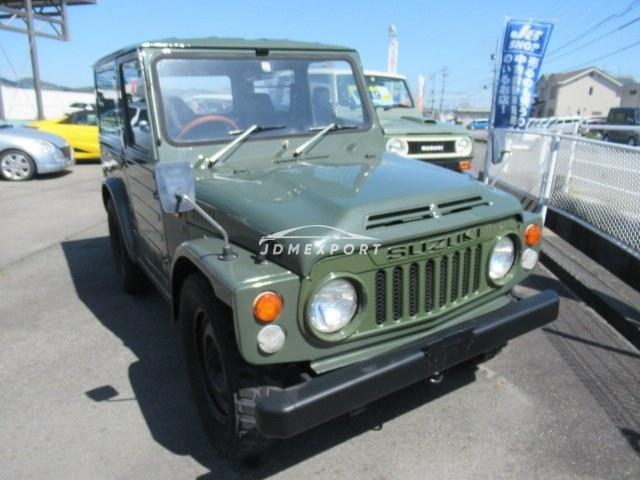
- Suzuki Jimny
If you want extreme mini on-road adventure, the Jimny has your name all over it. With a stiff ladder frame chassis, solid axle suspension all around, and a real low-range 4WD system with a transfer case, the Suzuki Jimny can crawl through just about any trail your bigger pickup trucks can’t.
- Mitsubishi Pajero Mini
Based on Mitsubishi’s legendary Dakar Rally-winning off-roader, the Pajero Mini features a comfortable ride, available 4WD with low-range gearing, and an optional turbocharged engine for rugged adventures around town and on the trail.
How to Import a Kei Car from Japan To The USA
If you're importing a Japanese kei car to the States, it boils down to 1-2-3: federal regulations, port entry paperwork and your home state's registration criteria.
Federal 25-Year Exemption Rule
Any vehicle that's 25 years old or older is exempt from all FMVSS (Federal Motor Vehicle Safety Standards), as well as from federal emissions testing, under U.S. Department of Transportation (DOT) and Environmental Protection Agency (EPA) regulations.
Customs Paperwork & Fees
Once your vehicle reaches an export terminal and crosses into a U.S. port of entry, it undergoes clearance processing through U.S. Customs and Border Protection (CBP). You or your customs broker must complete and submit two key federal declaration forms to claim the age exemption: DOT Form HS-7 (Box 1 checked for the 25-year safety exemption). EPA Form 3520-1 (code E age exemption). Customs levies a standard 2.5% import duty (based on the purchase value) for passenger vehicles.
State DMV Registration
Federal clearance is more fit to allow the car into the country, with your state DMV defining whether you get to drive it on public roads. While most states title and plate 25-year-old imports normally, a few have specific restrictions for either right-hand-drive or mini vehicles. Before you finalize your purchase, always check local DMV rules.
The steps below ensure your vehicle arrives in the country 100% legally, with no paperwork delays at the port.
Search for Your Kei Car with JDM Export
Purchasing an import vehicle is a significant step, and the clarity of strong, no-nonsense information makes all the difference. We ensure that the import process is simple and transparent so that you always know what to expect.
- Clear quotes: We break down costs upfront by combining the car's price with estimated ocean freight, helping you plan your budget without surprises later.
- Detailed car specs & Photos: To give you a realistic view of each car, we provide clear photos of the exterior, cabin, and undercarriage, along with the reported mileage on the odometer.
- Straightforward purchase terms: We maintain simple order guidelines and fair cancellation policies to protect your money throughout the buying process.
- Export & Shipping support: We handle all necessary Japanese export documentation and arrange vessel booking so your vehicle gets safely onto the ship and on its way to your port.
Our goal is simply to make finding and bringing home a Japanese kei car as smooth and dependable as possible.
Ready to find your next JDM import? Browse our current inventory today or reach out to our team to get a clear shipping estimate for your favorite kei car.