

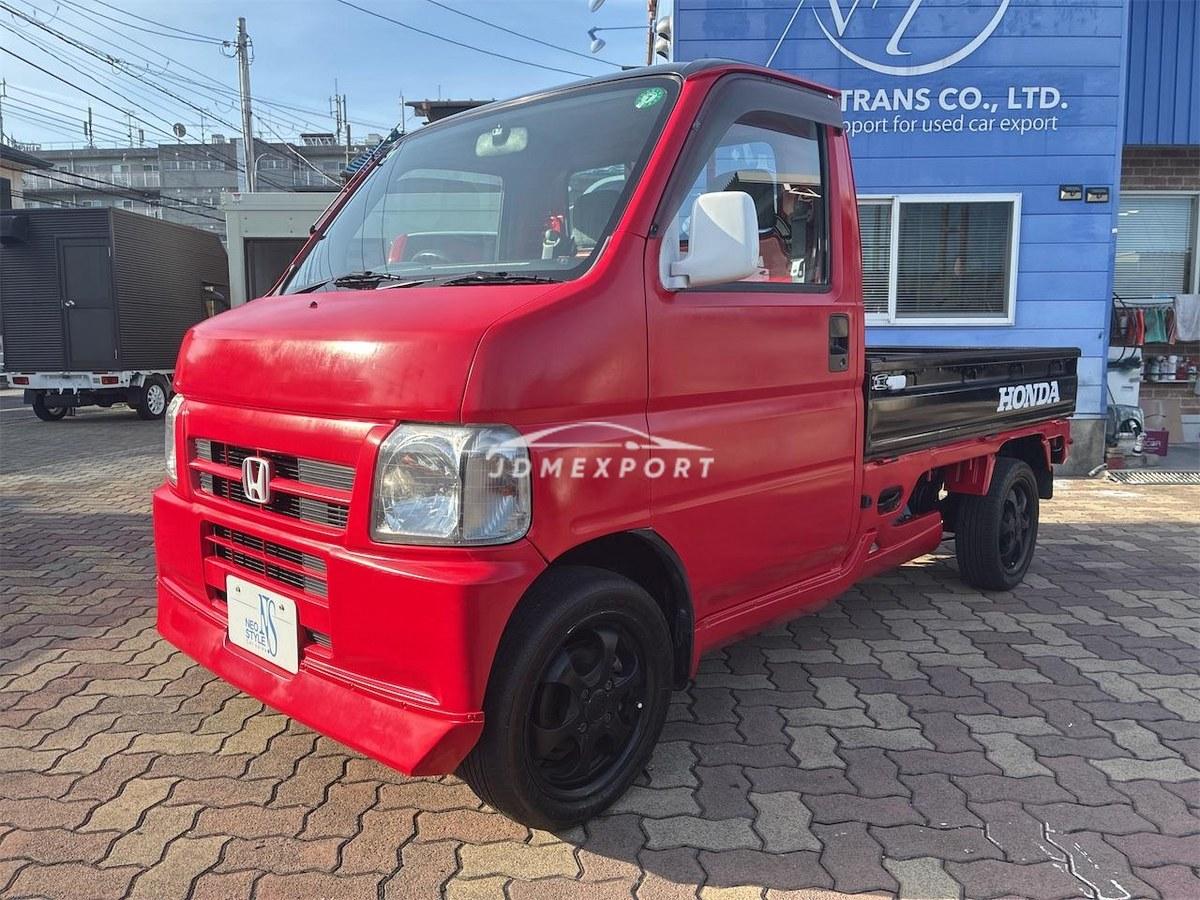
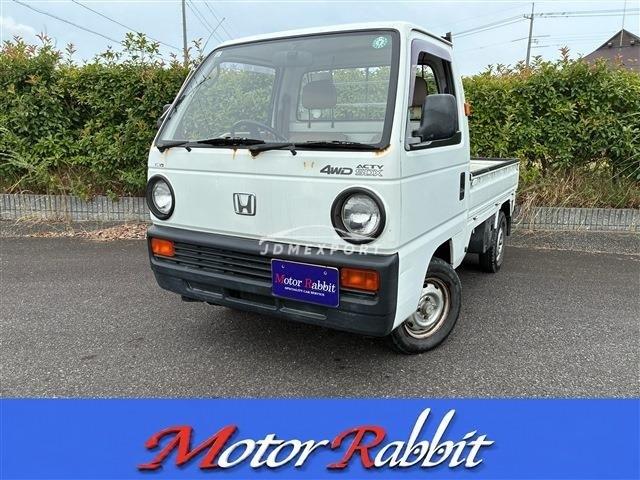
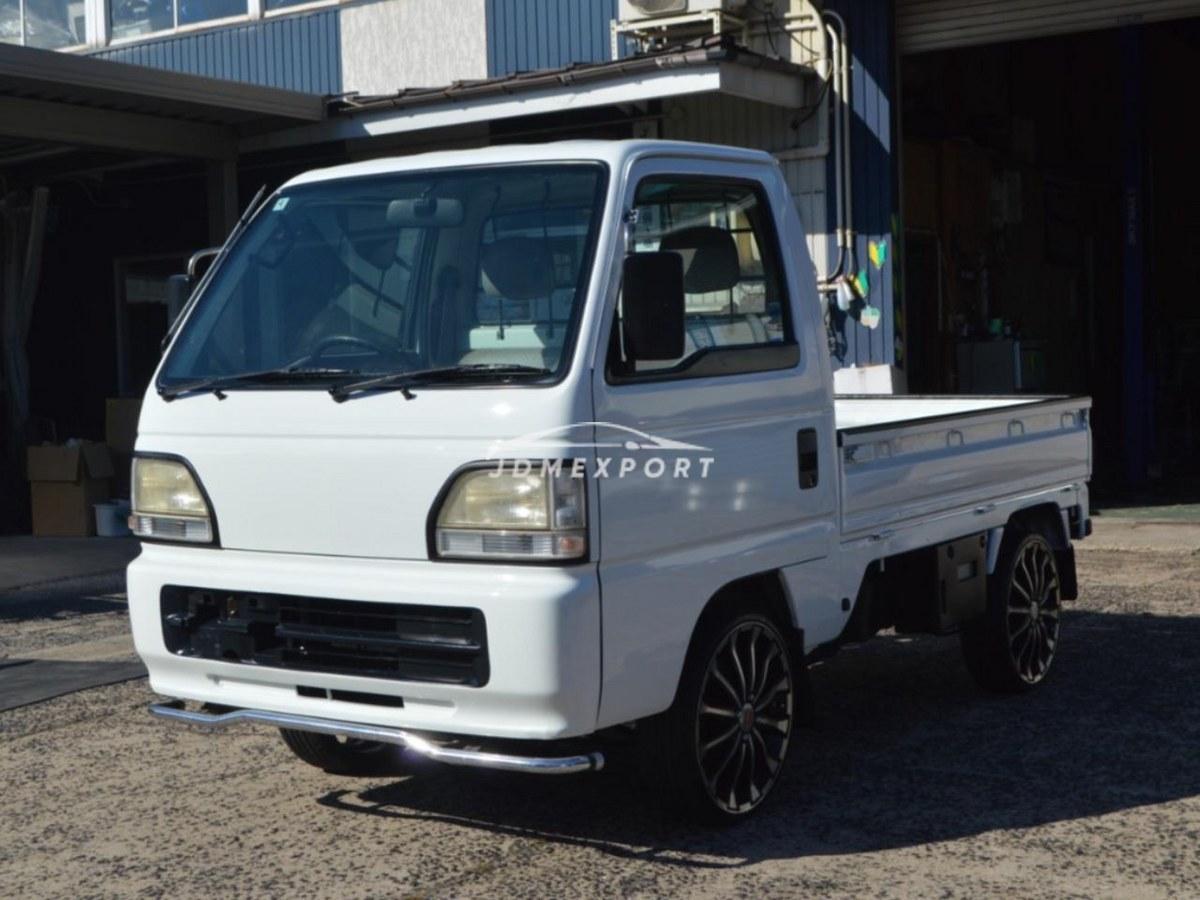
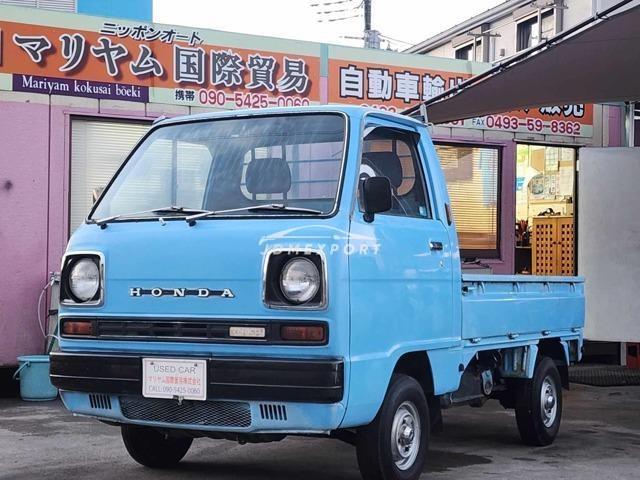
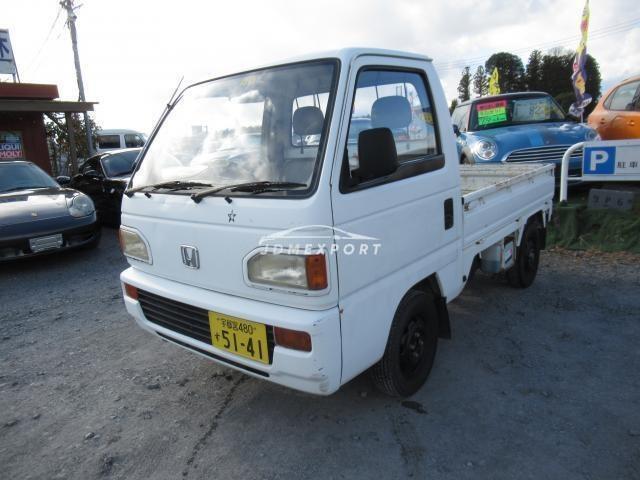
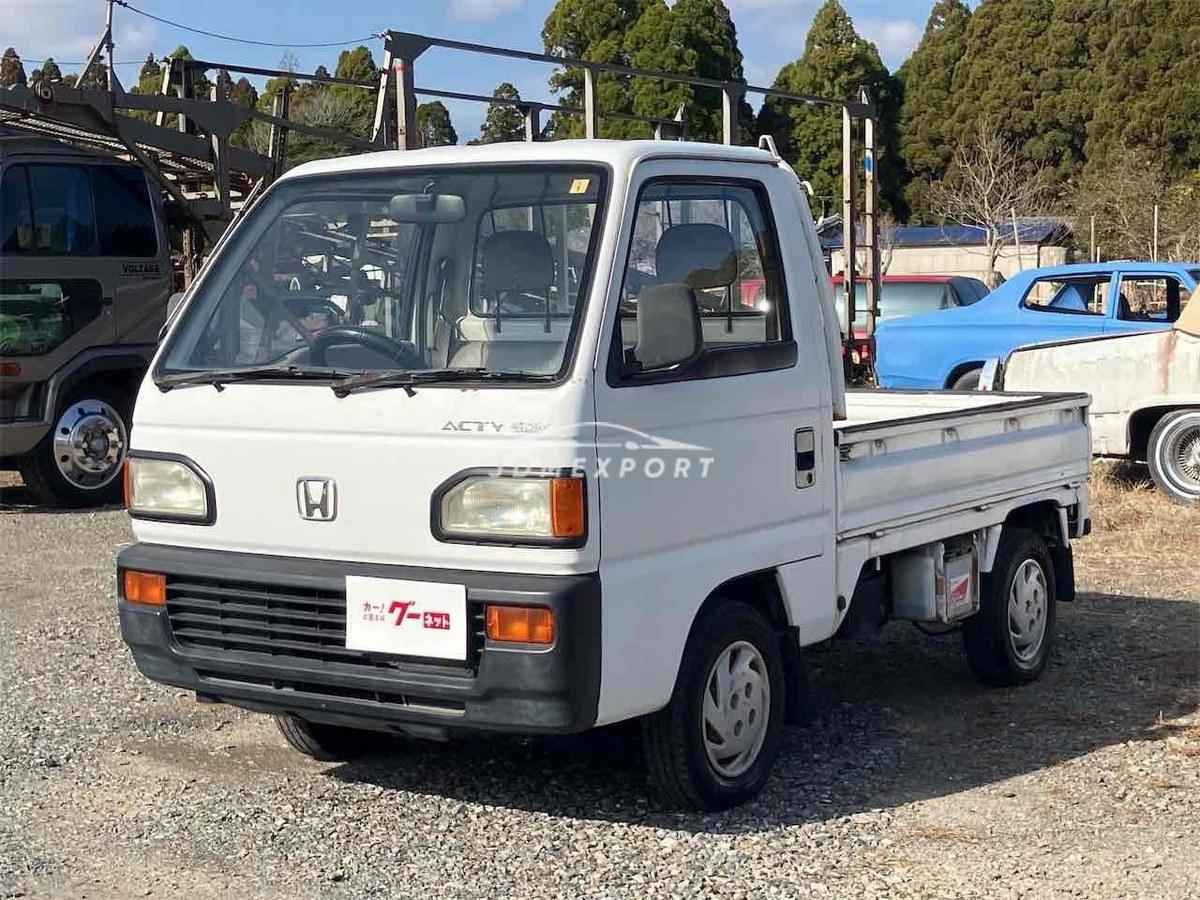
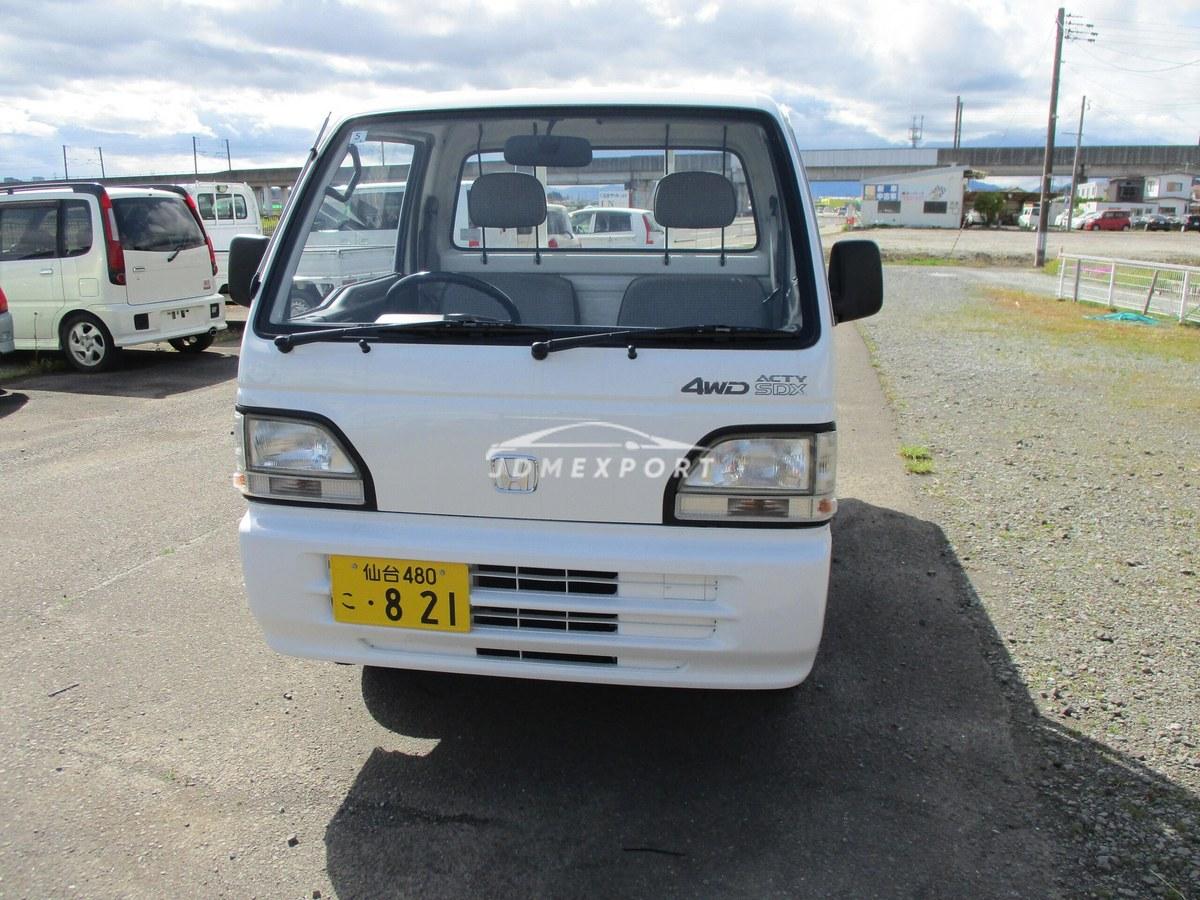
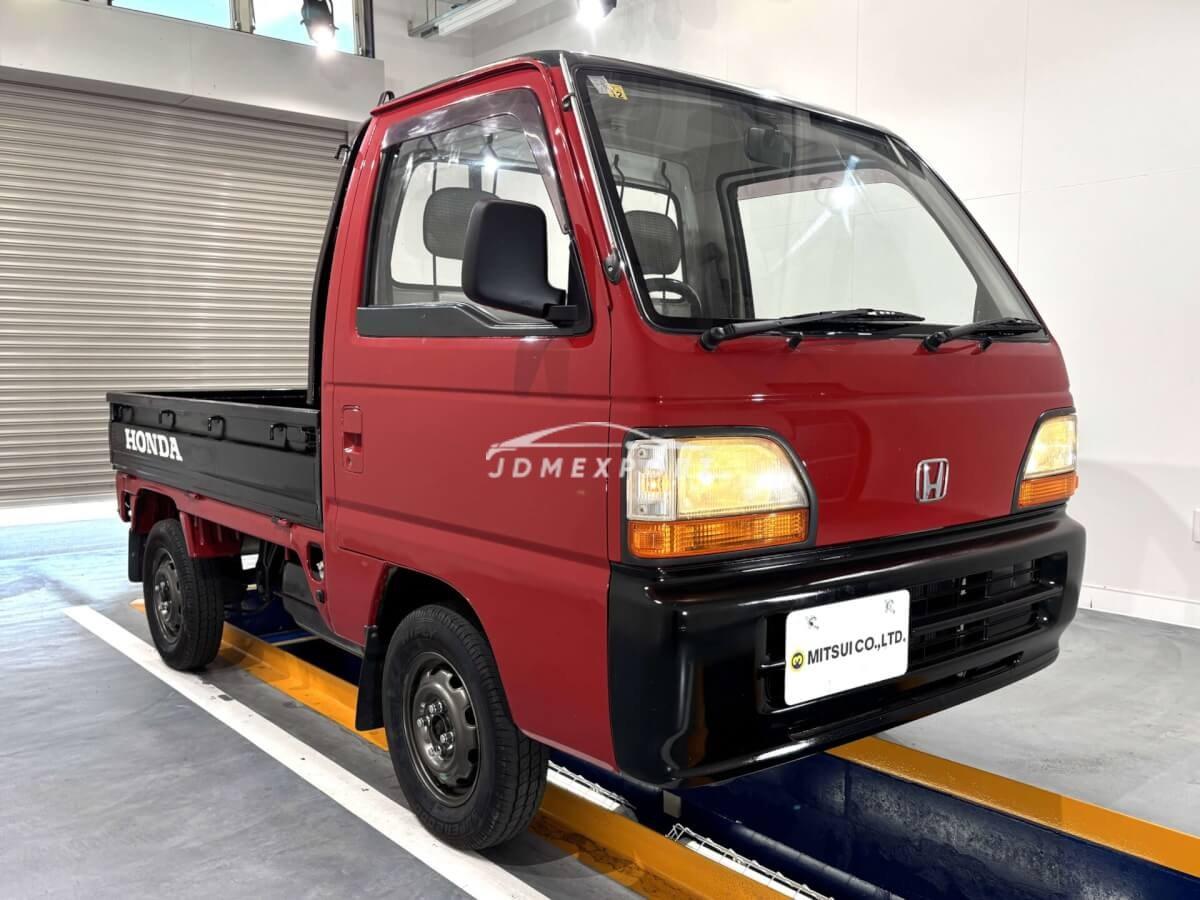
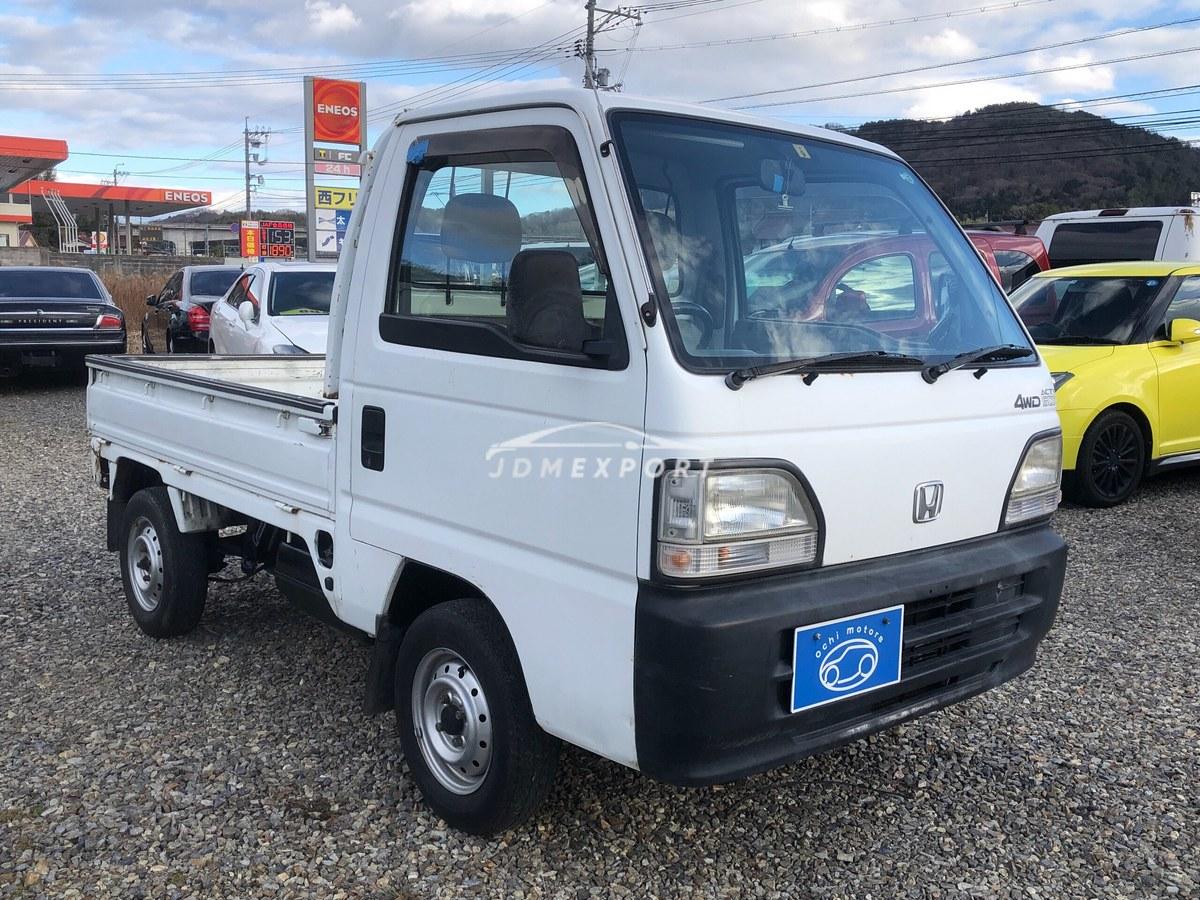
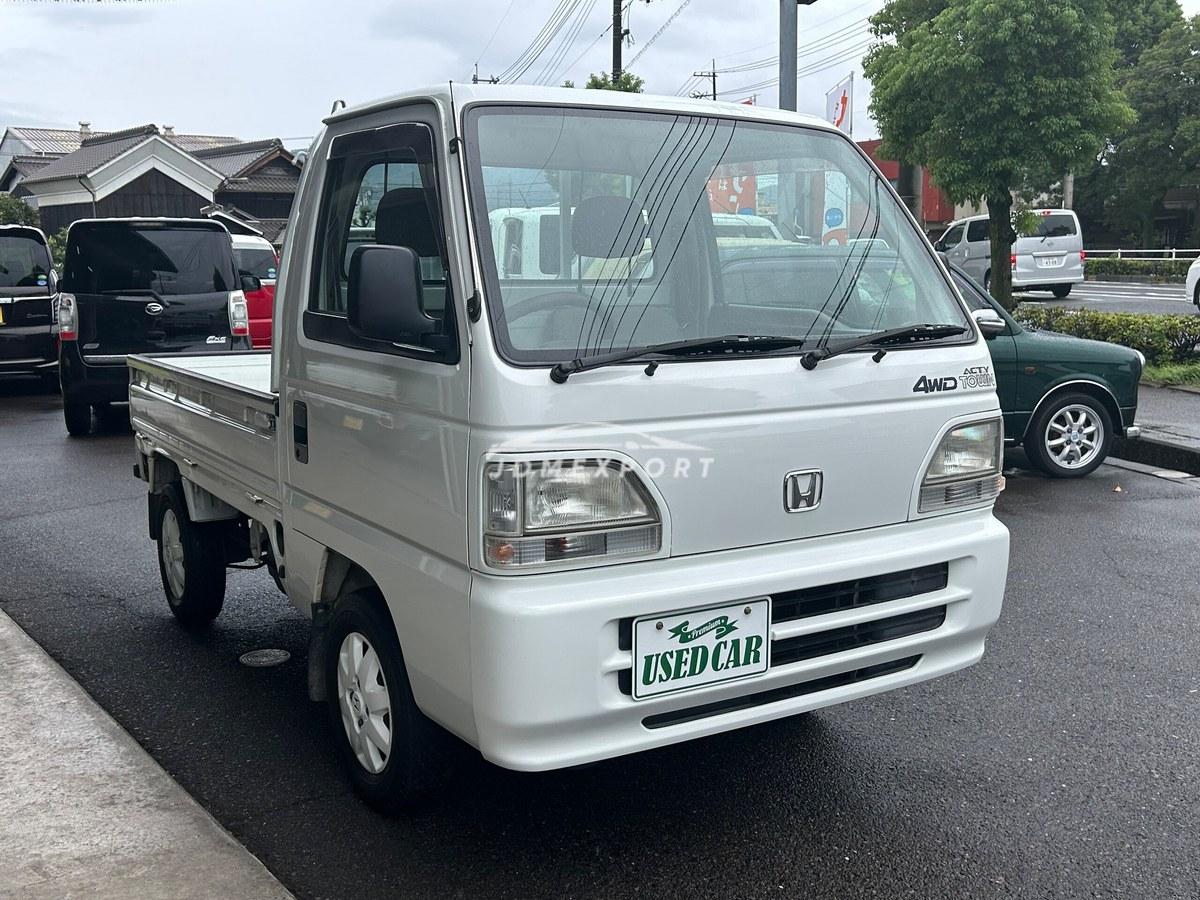
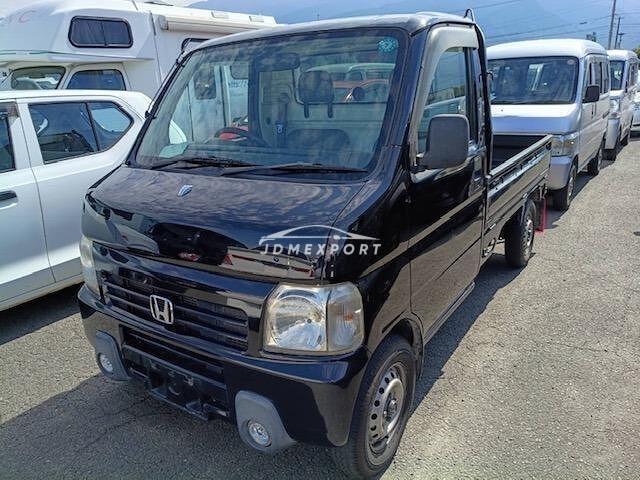
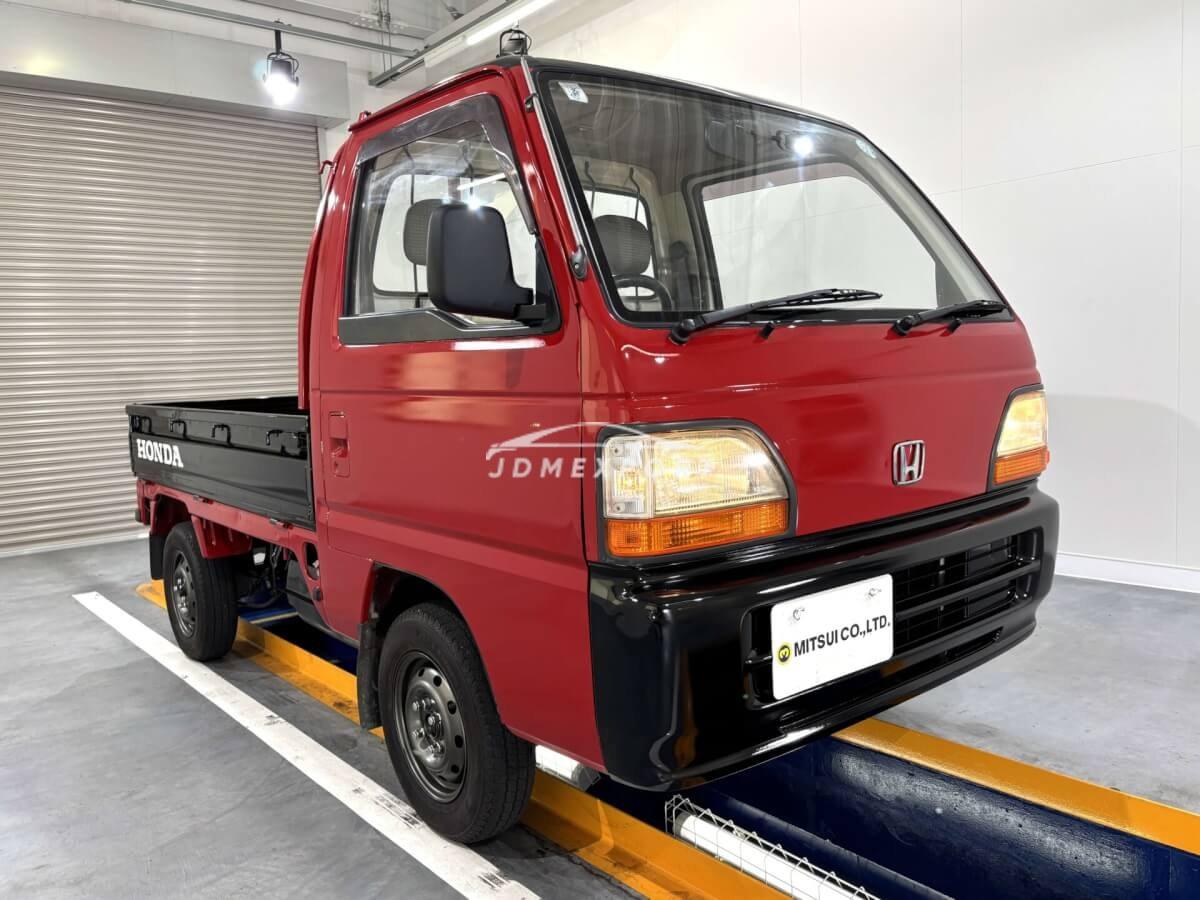
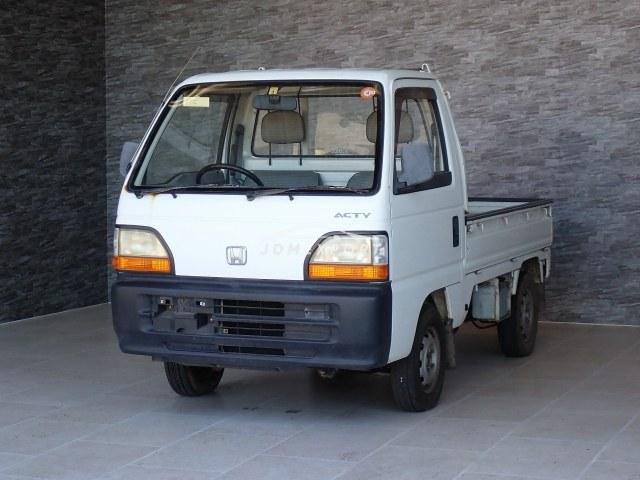

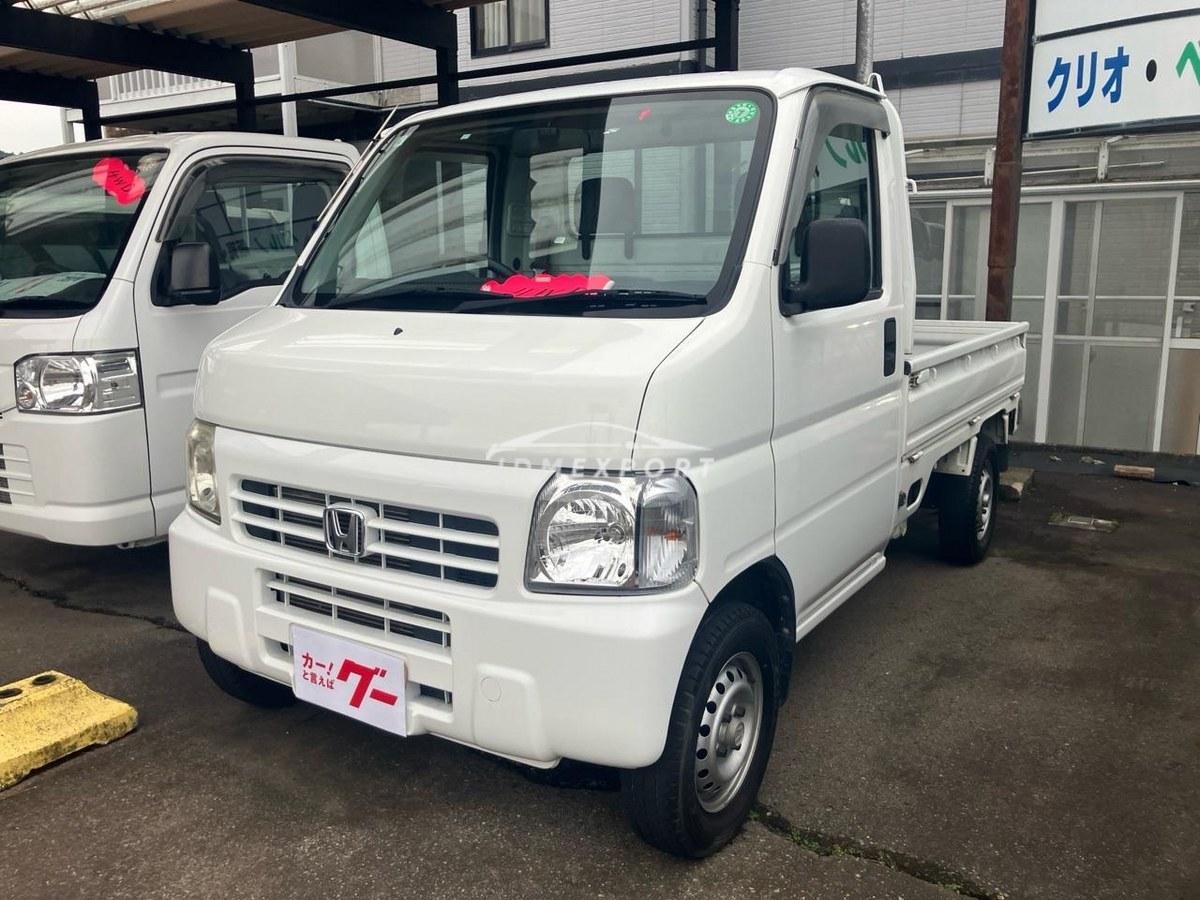
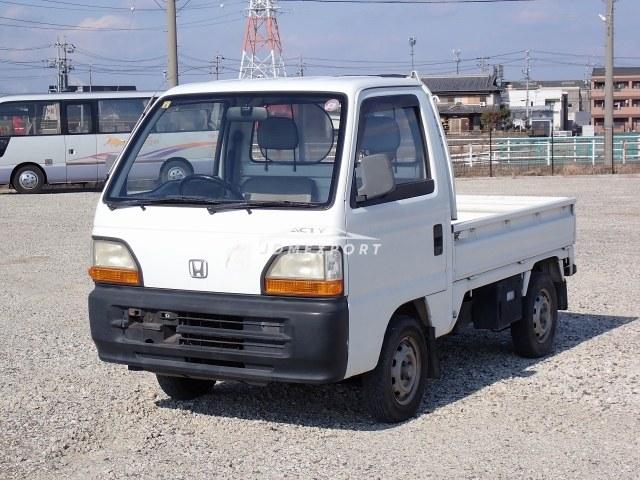
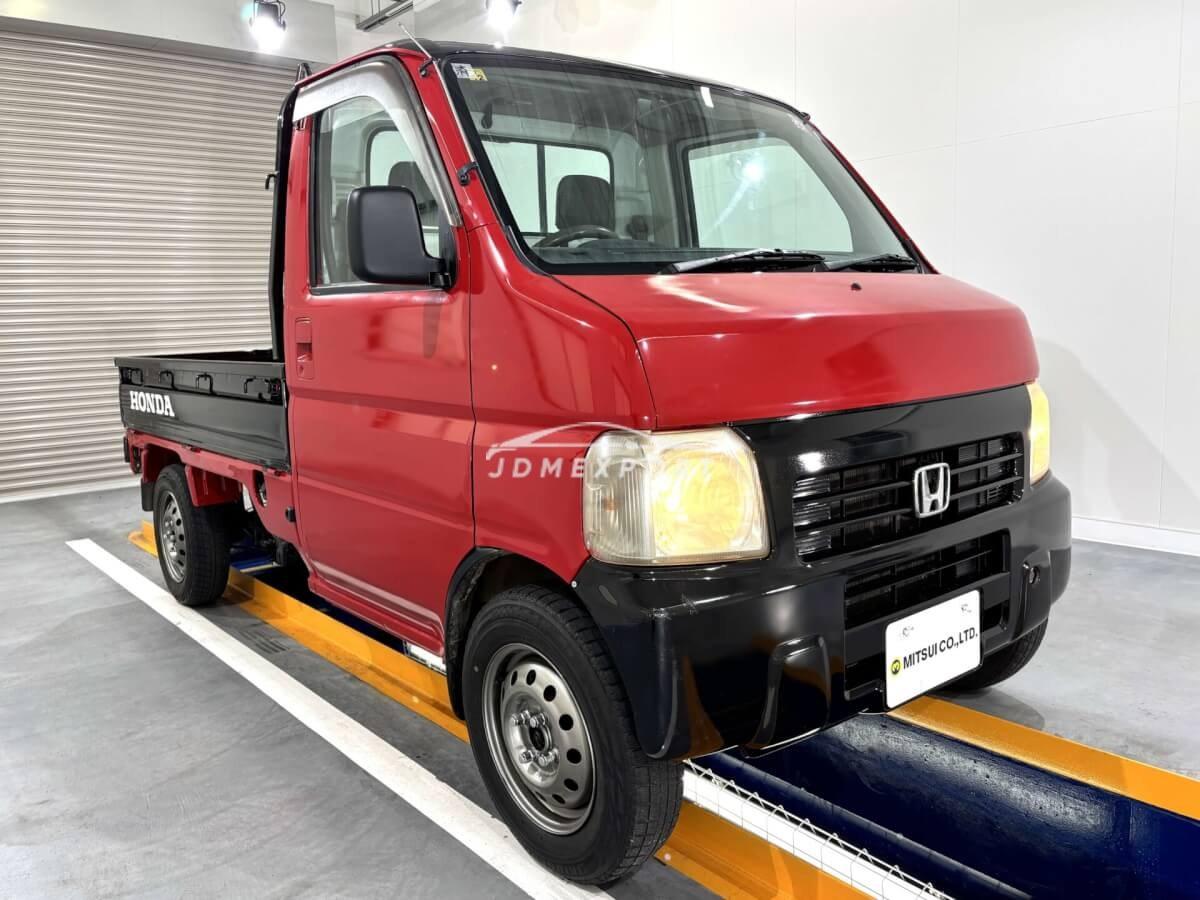
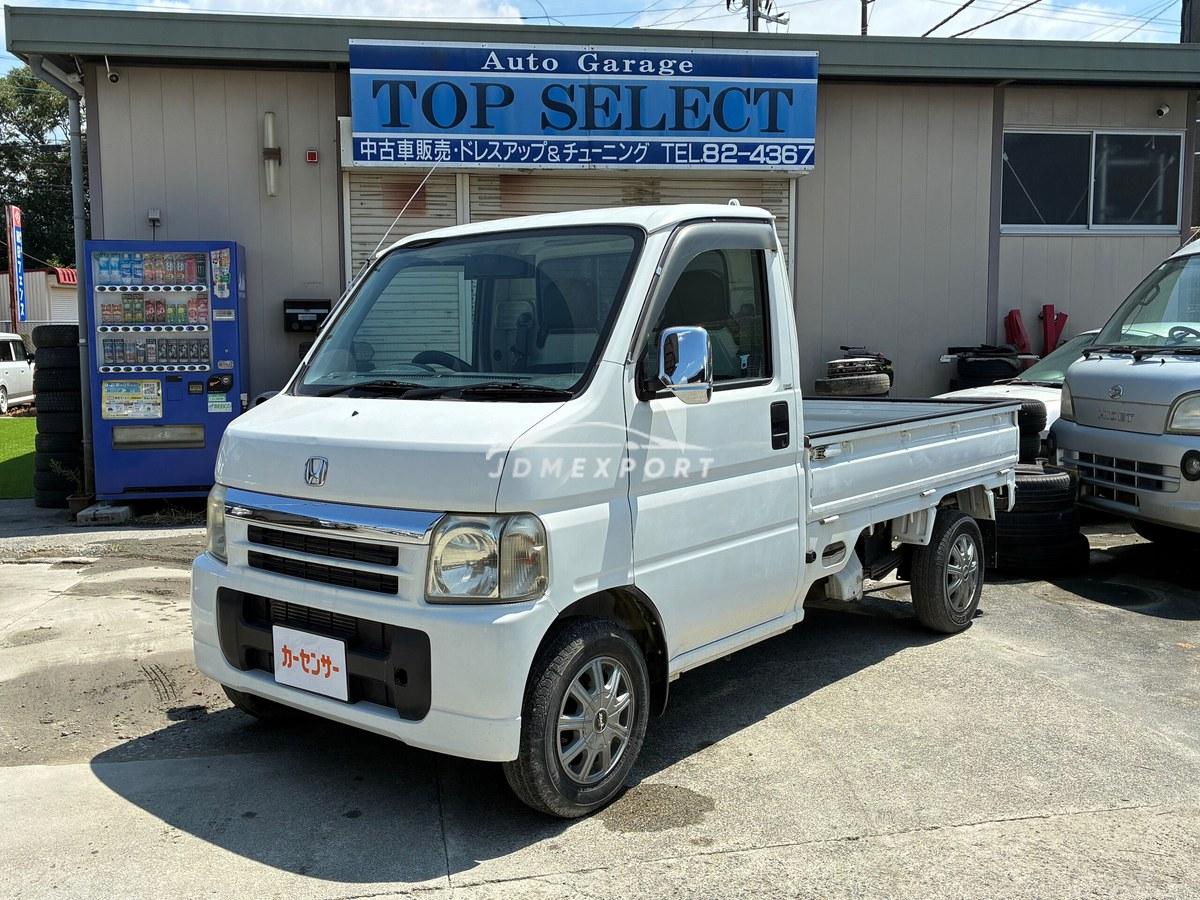
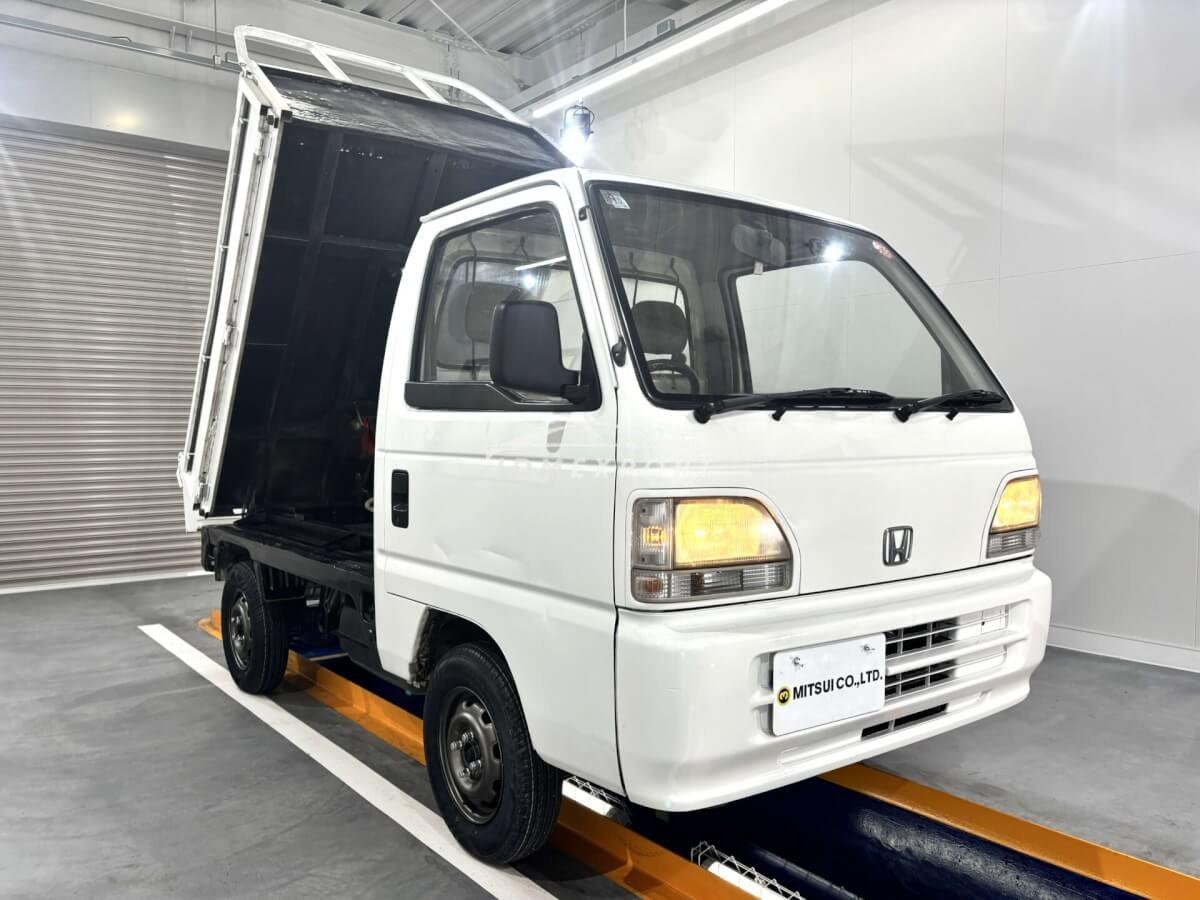
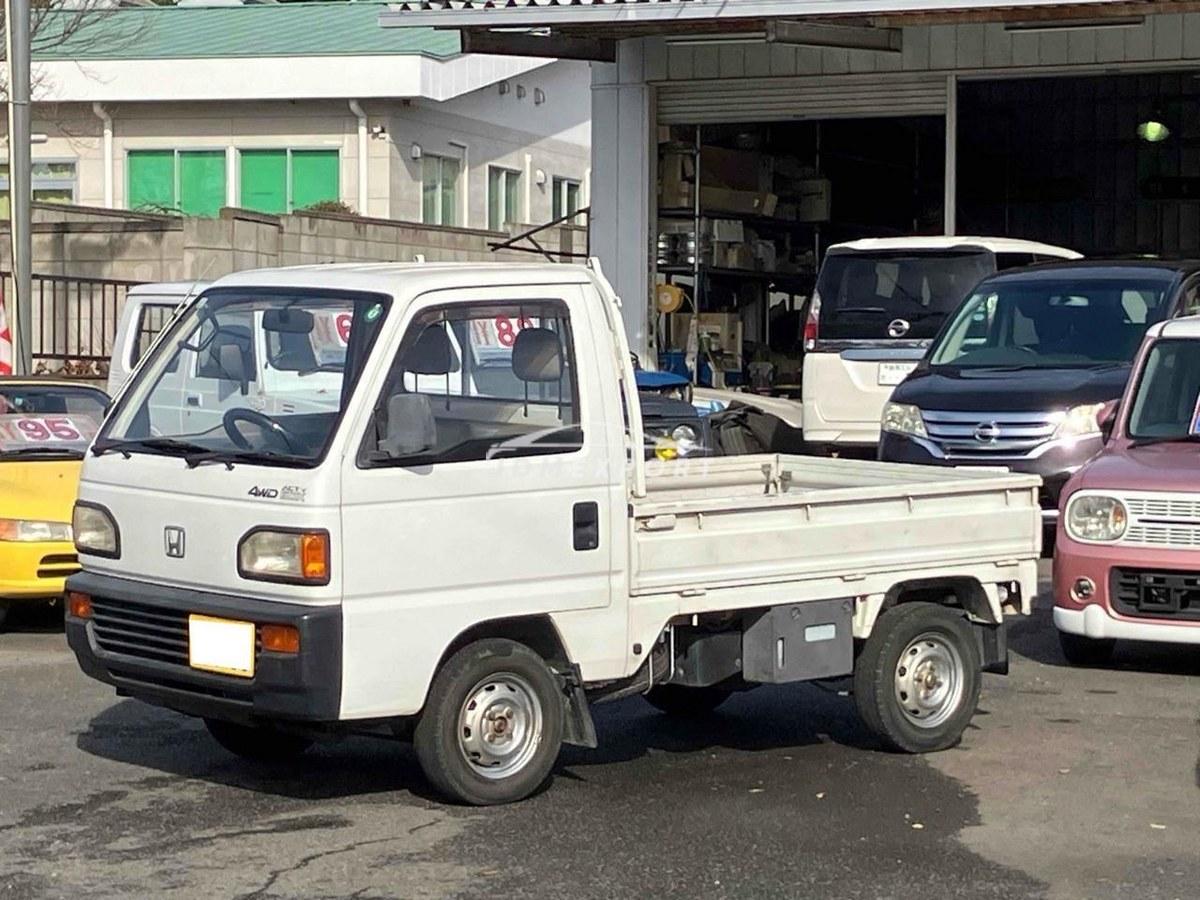
The Honda Acty Truck is a Japanese kei truck built from 1977 to 2021, and it’s the only kei truck with its engine mounted mid-chassis, under the cab floor. It’s rear-wheel drive or Real Time 4WD, carries up to 350 kg (770 lb) on a flatbed, and is usually the first pick for buyers who want the best handling of any mini truck. Most Acty Trucks eligible for the U.S. are from the second and third generations, and they’re imported under the 25-year rule.
Honda Acty Truck Generations
The Acty Truck went through four generations, and which one you can import depends on its age.
| Generation | Chassis codes | Years | Engine |
|---|---|---|---|
| 1st | TA01 / TA02 | 1977-1988 | 550cc and smaller |
| 2nd | HA1 / HA2 / HA3 / HA4 | 1988-1999 | 550cc, then 660cc from 1990 |
| 3rd | HA6 / HA7 | 1999-2009 | 660cc |
| 4th | HA8 / HA9 | 2009-2021 | 660cc |
The 2nd generation is the most common Acty on the U.S. market today. HA3 means 2WD (rear-wheel drive) and HA4 means 4WD. The 3rd generation (HA6 and HA7) is becoming eligible as it passes 25 years, and the 4th generation isn’t eligible yet.
Why the Acty Handles Differently
Most kei trucks put the engine under the front seats or cab. The Acty mounts its 3-cylinder engine mid-chassis, under the cargo floor behind the seats, which gives it a balanced weight distribution and a low center of gravity. That makes it more stable on pavement and gravel than most kei trucks, and it’s the main reason owners describe it as the most car-like to drive.
The 4WD system is Honda’s Real Time 4WD. It sends power to the rear wheels by default and engages the front wheels automatically when the rear loses grip, so there’s no lever to shift. It doesn’t have low range or a differential lock, which makes it a better fit for gravel, light mud and snow than for steep, deep-rut trails. If you want low range, look at the Suzuki Carry instead.
What You’re Getting
- Engine: 660cc 3-cylinder gasoline (E07A in the 1990s trucks), roughly 40 to 55 PS depending on year. Earlier cars use a 550cc engine.
- Transmission: 5-speed manual on most trucks, with a 3-speed automatic available on some.
- Payload: 350 kg (about 770 lb), the legal limit for the class.
- Speed: A realistic cruising speed is 50 to 60 mph, and the top speed is around 65 mph. It’s not a highway truck.
- Fuel economy: Most owners report roughly 30 to 40 mpg, less with a loaded bed or in 4WD.
- Bed: A flat steel bed with a fold-down tailgate and side panels.
- Cab: Small. Taller drivers will find the legroom tight, and the Daihatsu Hijet Jumbo cab is roomier.
- Equipment: Power steering, AC and airbags depend on the trim and year. Most 1990s trucks have no airbags, so check the specific listing.
- Steering: Right-hand drive.
Honda Acty vs. Other Kei Trucks
| Honda Acty | Suzuki Carry | Daihatsu Hijet | Subaru Sambar | |
|---|---|---|---|---|
| Engine layout | Mid-engine | Mid-engine | Mid-engine | Rear-engine |
| 4WD | Real Time, no low range | Selectable, low range on many | Selectable | Selectable |
| Best for | Handling, property work | Parts and modifications | Taller drivers, bed options | Traction, ride quality |
The Acty is the pick for on-road manners and balance. The Carry has the largest parts and aftermarket support, the Hijet has the roomiest cab and the widest bed options, and the Sambar has the best traction in mud and snow.
Importing a Honda Acty Truck to the U.S.
A vehicle that is 25 years old, counted from its month of manufacture, is exempt from FMVSS safety standards and EPA emissions requirements.
Each state then sets its own titling and road-use rules. Some states register kei trucks like any other vehicle, some limit them to low-speed roads, and some restrict public-road use or titling altogether. Japanese chassis numbers aren’t 17-digit VINs, so many DMVs require a VIN verification. Check with your DMV before you buy.
Your customs broker files DOT Form HS-7 and EPA Form 3520-1 at the port of entry. Kei trucks are classed as trucks and can face a 25% duty instead of the 2.5% passenger car rate, and additional tariffs on Japanese-built vehicles have applied since 2025, so confirm the current total with your broker. Vehicles from Japan are also subject to USDA inspection, and a dirty underbody can cause delays and cleaning charges.
Japanese odometers read in kilometers, so convert before comparing trucks. Read the auction grade sheet and inspect the photos closely, especially the frame, bed floor, door sills and rear crossmember. Surface rust is normal at this age, but rust-through is not. The engine sits under the cab, so look for oil leaks and ask about the timing belt, which needs regular replacement. On a 4WD truck, confirm the front drive engages. Engine and drivetrain parts are easy to find, but body panels, trim and rubber seals are harder to source, so a clean, complete truck is worth paying for.
Buying an Acty Truck Through JDM Export
We quote the truck price together with estimated ocean freight, so you know your landed cost upfront. Every listing includes photos and specifications, and we handle Japanese export paperwork and vessel booking. Browse our current Honda Acty Trucks for sale, or contact us for a shipping estimate.