

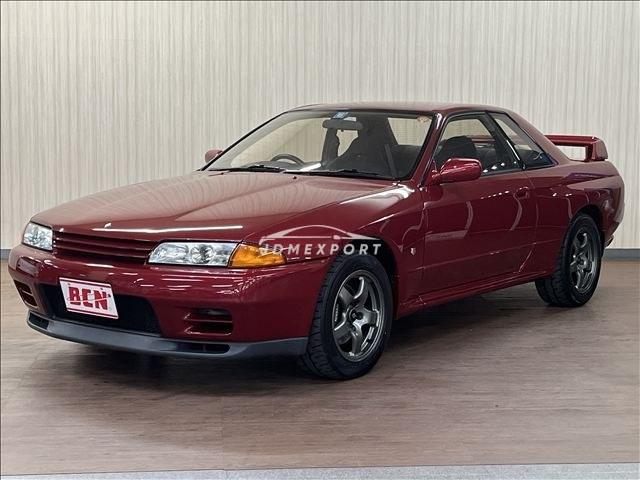
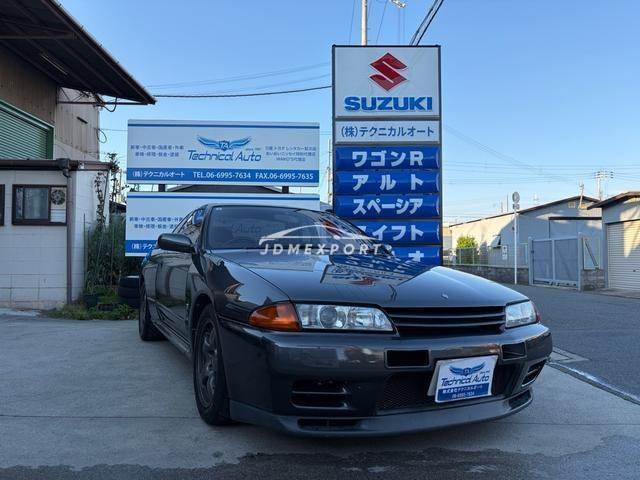
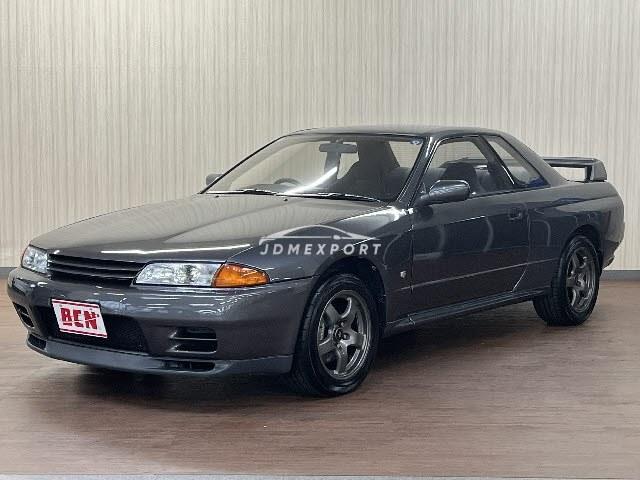
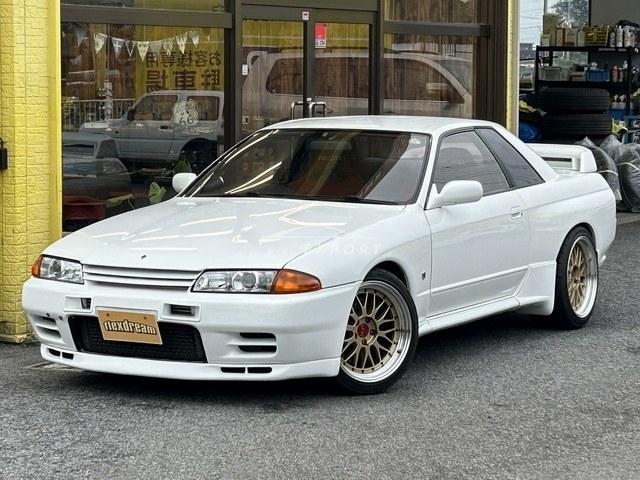
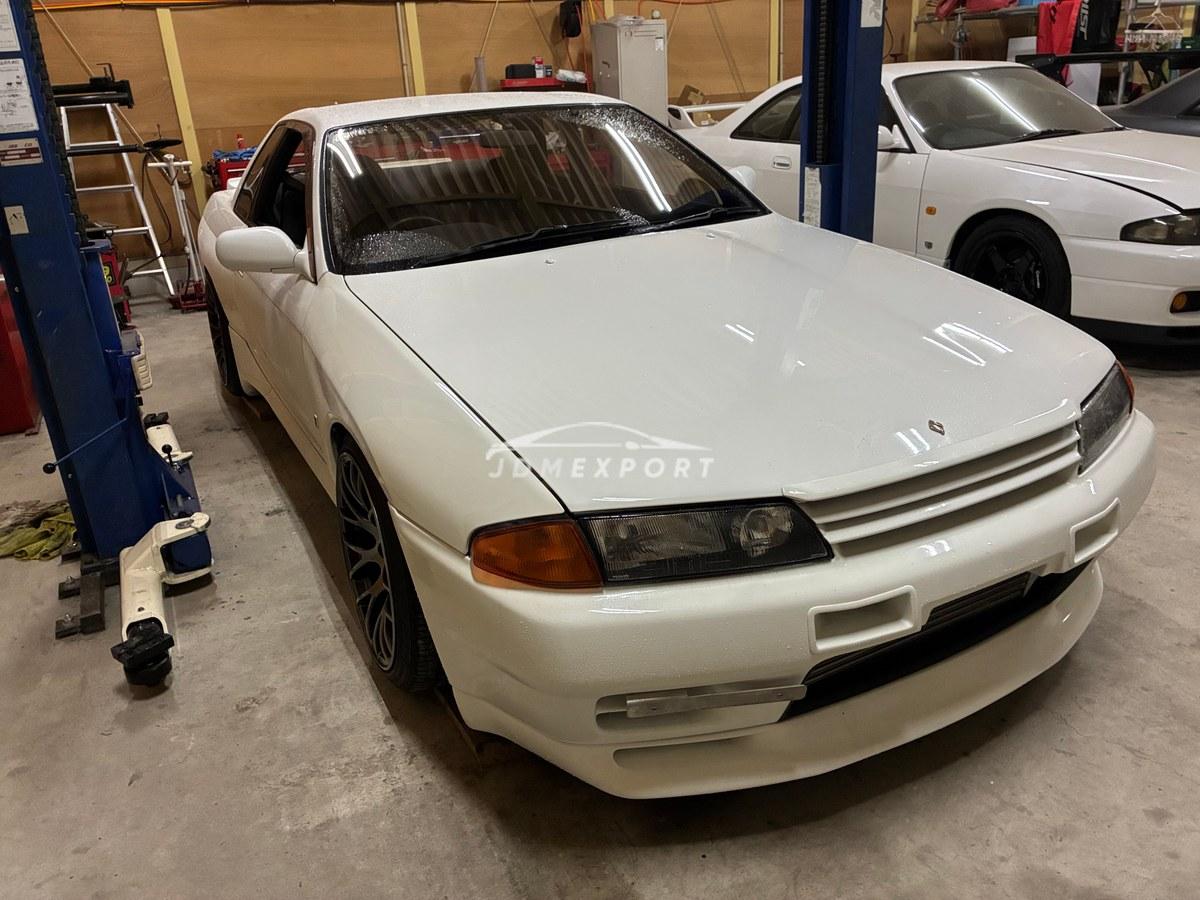
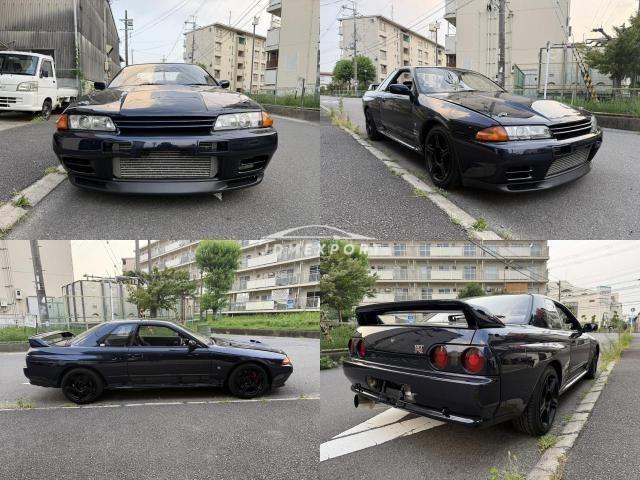
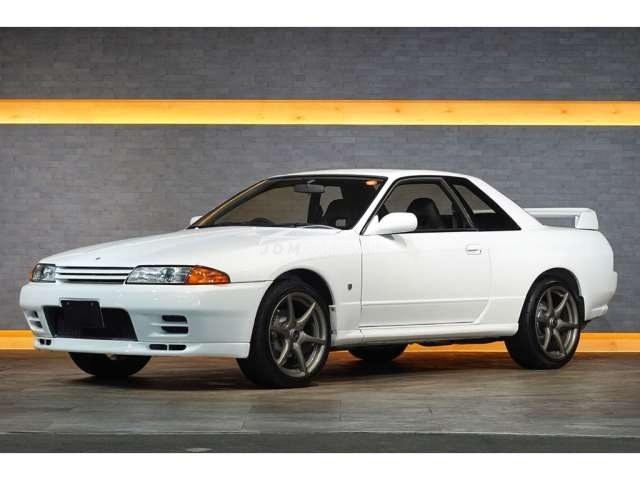
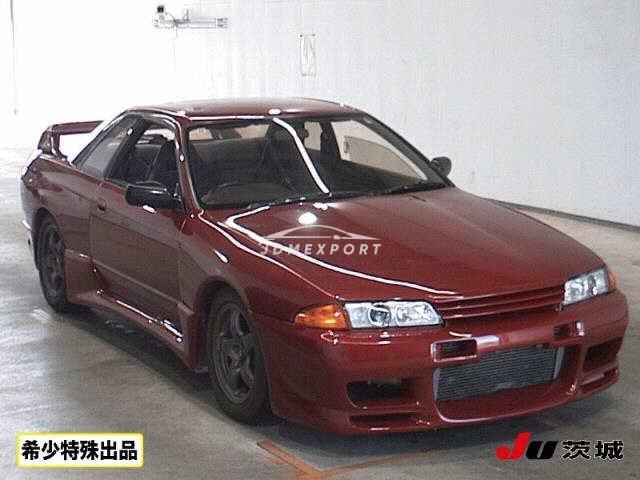
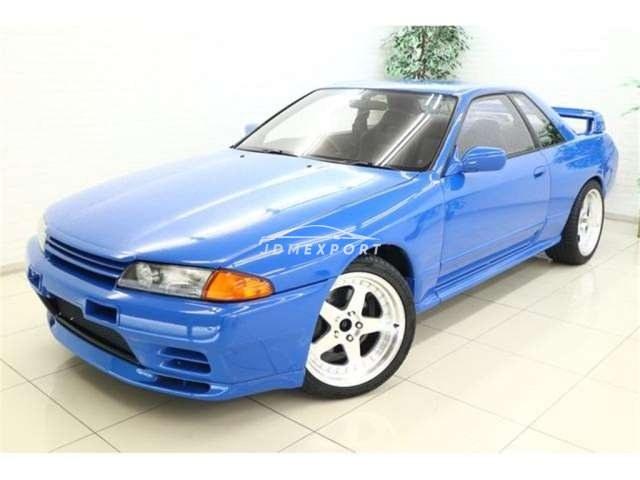
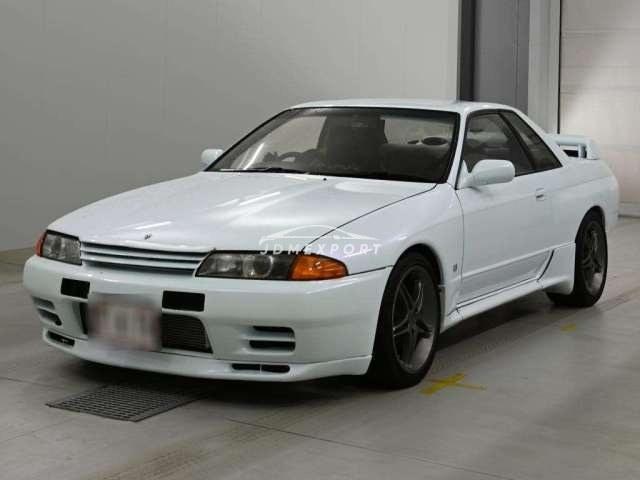
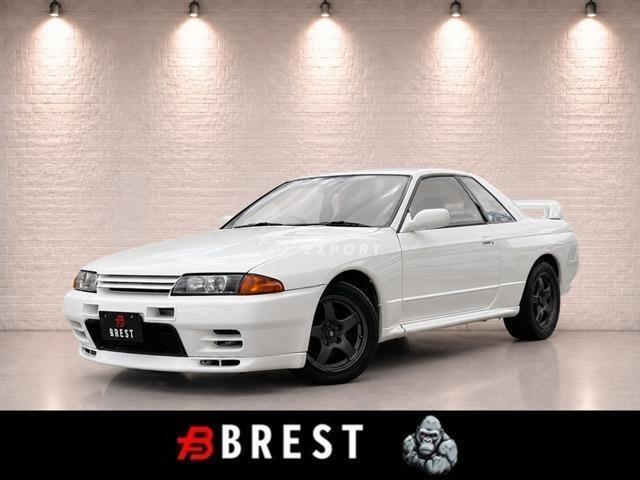
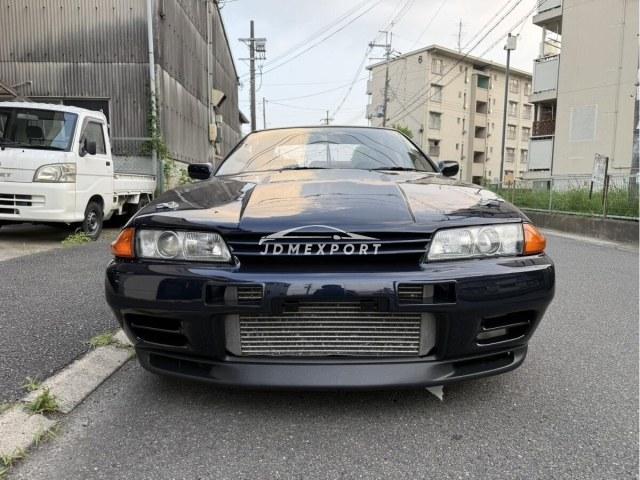
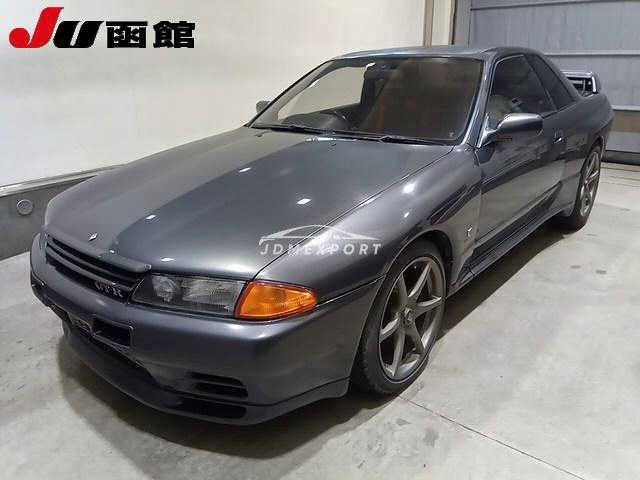
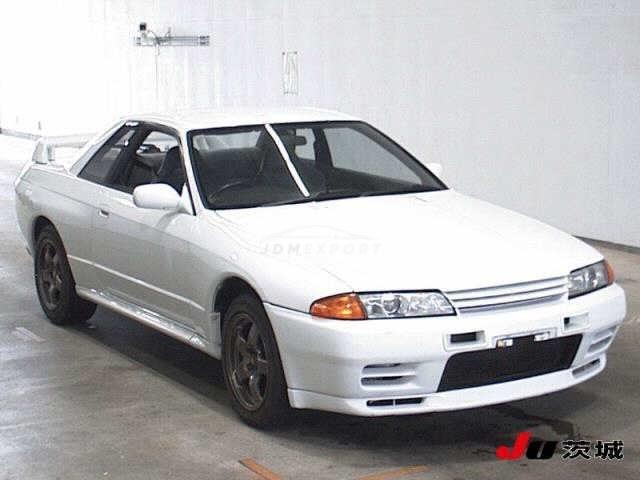
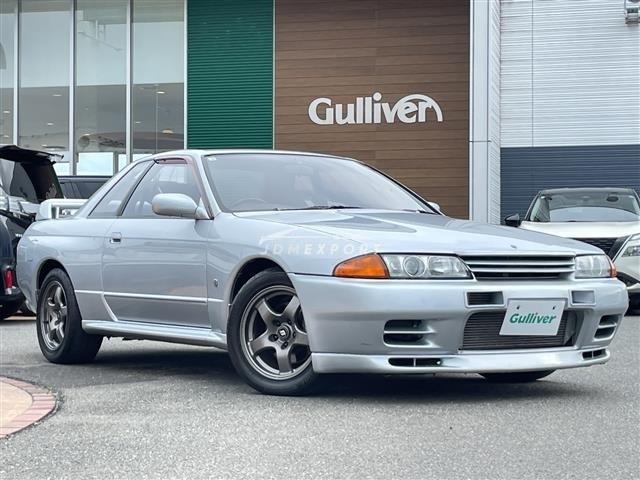
The Nissan Skyline GT-R R32 (chassis code BNR32) is a twin-turbo, all-wheel-drive coupe built in Japan from August 1989 to late 1994. It’s the car that revived the GT-R name after a 16-year gap, and it uses the 2.6L RB26DETT inline-six, rated at 280 PS (276 hp), with a 5-speed manual and the ATTESA E-TS AWD system. Nissan never sold it new in the U.S., so every R32 here is a right-hand-drive import. Production ended in 1994, so every R32 is over 25 years old and eligible. It’s also the lightest and usually the most affordable of the three RB26 GT-Rs, which is a big reason it has the largest following among tuners. This guide covers the trims, what the R32 is like to own, and what to check before you import one.
How the R32 Became “Godzilla”
The R32 was built to win races, and it did. Nissan developed it for Japan’s Group A touring car series, and between 1990 and 1993 it won every race it entered in the Japanese Touring Car Championship. It then went to Australia and took the Bathurst 1000 in 1991 and 1992. Local journalists started calling it “Godzilla,” and the name stuck to every GT-R since.
That racing background is the reason the car exists in its current form. The 280 PS rating was never an accurate measure of what the RB26DETT could make, and the AWD system and engine were designed to take far more than stock power. Nissan built about 43,900 R32 GT-Rs, which is far more than the R33 or R34 combined production for some trims, so there are plenty of cars to choose from.
Skyline GT-R R32 Trims and Variants
| Version | Years | What’s different |
|---|---|---|
| GT-R | 1989-1994 | The standard car, with the 280 PS RB26DETT, 5-speed manual and ATTESA E-TS AWD |
| N1 | 1990-1991 | Homologation special with a reinforced engine, bigger turbos and no ABS or AC. Rare |
| Nismo GT-R | 1990 | Limited run of about 560 cars built to homologate the Group A race car |
| V-Spec | 1993-1994 | Adds Brembo brakes, wider wheels and tires and an upgraded AWD system |
| V-Spec II | 1994 | Final version, with wider tires and further V-Spec upgrades |
Most buyers shop for the standard GT-R or the V-Spec. The V-Spec’s Brembo brakes and sharper AWD setup are a real upgrade, and V-Spec and V-Spec II cars are the most sought-after of the regular production runs. The N1 and Nismo cars are essentially race homologation specials, and they sell in a different price bracket.
What the R32 Is Actually Like to Own
The R32 is the rawest of the three GT-Rs, and that’s both the appeal and the catch. It weighs about 1,430 kg (3,150 lb), roughly 100 kg less than the R33, and it feels it. The steering is lighter and more direct, the car turns in quickly, and the engine has a sharp, immediate character that the later cars soften slightly. On a back road it’s the most fun of the three.
It’s also the oldest, and it shows. Interiors are plain and plasticky, there’s no airbag on early cars, and road noise is high. Ride quality is firm and the clutch is heavy. It’s a workable weekend car, but it’s not comfortable on long highway trips, and fuel economy is poor, with most owners seeing high teens in mixed driving. The R32 also uses the older HICAS rear-steering system, which some owners remove or lock out when they modify the car.
Engine and Performance
The RB26DETT is a 2.6L (2,568cc) twin-turbo inline-six with an iron block, 24 valves and six individual throttle bodies. Nissan rated it at 280 PS (276 hp) and about 353 Nm (260 lb-ft) of torque, the ceiling Japanese automakers followed at the time. Actual output is often a little higher, and the engine responds very well to tuning.
One thing to know is that the stock turbos use ceramic turbine wheels, which can fail under heavy boost. Many owners replace them with metal-wheel units, and it’s one of the first things to ask about when you look at a car.
Power goes through a 5-speed manual. There’s no automatic, and the AWD system sends power mostly to the rear until slip is detected. A stock R32 GT-R reaches 60 mph in roughly 5 seconds, with a top speed limited to about 112 mph (180 km/h). The cars most buyers find have been modified, so real-world numbers vary a lot.
Skyline GT-R R32 Specs
| Spec | Details |
|---|---|
| Production | August 1989 – November 1994 (Japan) |
| Body | 2-door coupe, all-wheel drive |
| Engine | 2.6L (2,568cc) RB26DETT twin-turbo inline-6 |
| Power / torque | 280 PS (276 hp) / ~353 Nm (260 lb-ft) |
| Transmission | 5-speed manual |
| Drivetrain | ATTESA E-TS AWD, HICAS rear steering |
| Suspension | Multi-link, front and rear |
| Brakes | Ventilated discs; Brembo on V-Spec |
| Length | ~4,545 mm (179 in) |
| Width | ~1,755 mm (69.1 in) |
| Height | ~1,340 mm (52.8 in) |
| Wheelbase | 2,615 mm (103 in) |
| Curb weight | ~1,430-1,450 kg (3,150-3,200 lb) |
| 0-60 mph | ~5 seconds |
| Top speed | ~112 mph (180 km/h), limited |
| Steering | Right-hand drive |
R32 in the Skyline Family and Beyond
If the R32 appeals but you want something more modern or more comfortable, the Skyline GT-R R33 is bigger and calmer, and the Skyline GT-R R34 is the stiffest and most collectible of the three. The R32 is the one to buy when you want the lightest, most driver-focused version and the biggest aftermarket.
Other 1990s JDM sports cars compete for the same buyers. The Toyota Supra A80 and Mazda RX-7 FD3S are the usual cross-shopping choices, and the Nissan Silvia S14 is a cheaper rear-drive option from the same company. Browse all JDM sports cars for sale to compare.
Importing a Skyline GT-R R32 to the U.S.
Federal rule. A vehicle that is 25 years old, counted from its month of manufacture, is exempt from FMVSS safety standards and EPA emissions requirements. Every R32 qualifies, and the R32 GT-R has been importable since the early 2010s, so there’s a mature market for parts and shops that know the car.
Customs. Your customs broker files DOT Form HS-7 and EPA Form 3520-1 at the port of entry. Passenger cars have historically paid a 2.5% duty, but additional tariffs on Japanese-built vehicles have applied since 2025, so confirm the current total with your broker. Vehicles from Japan are also subject to USDA inspection, and a dirty underbody can cause delays and cleaning charges.
State registration. Federal clearance only gets the car into the country. Your state decides whether you can title, plate and drive it on public roads. Japanese chassis numbers aren’t 17-digit VINs, so many DMVs require a VIN verification. Inspection and emissions rules vary, with California the strictest. Check with your DMV before you buy.
What to Check Before You Buy
Japanese odometers read in kilometers, so convert before comparing cars. Read the auction grade sheet and look closely at the photos, especially the underbody and engine bay.
- Verify the chassis code. A real GT-R is BNR32. Non-GT-R R32 Skylines (GTS-t, GTS-4) are often dressed up with GT-R parts, so check the code on the grade sheet and chassis plate.
- Rust. This is the R32’s weak spot. Check the rear strut towers, sills, rear arches, boot floor and the area around the fuel filler. Repainted panels and uneven gaps can mean accident repair.
- Modifications. Most R32s have been tuned. Ask for documented engine work and who did it, and ask whether the turbos are still the ceramic originals.
- Engine. Look for oil leaks, smoke, boost problems and turbo wear.
- AWD and HICAS. Check for warning lights and drivetrain noise, and ask about the HICAS system, since it can leak or be removed.
- Interior. Cracked dashboards, sagging headliners and worn seats are common.
- Parts. Engine and drivetrain parts are widely available thanks to the strong aftermarket. Body panels, lights and trim are harder to source and getting more expensive, so a clean, complete, rust-free car is worth paying for.
Buying a Skyline GT-R R32 Through JDM Export
We quote the car price together with estimated ocean freight, so you know your landed cost upfront. Every listing includes photos and specifications, and we handle Japanese export paperwork and vessel booking. Browse our current Nissan Skyline GT-R R32 for sale, the full Skyline GT-R lineup, or contact us for a shipping estimate.