

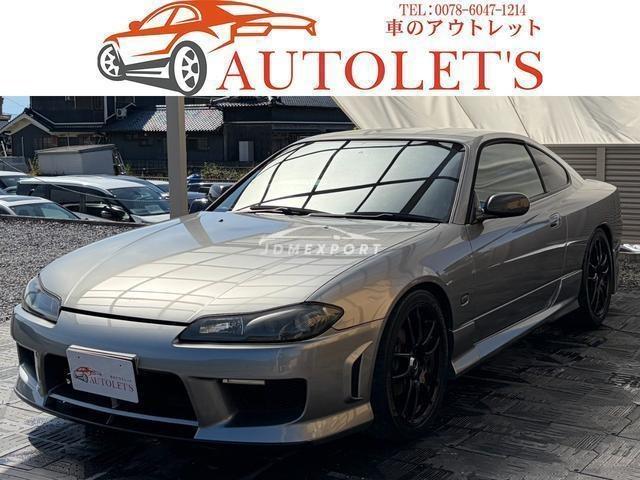
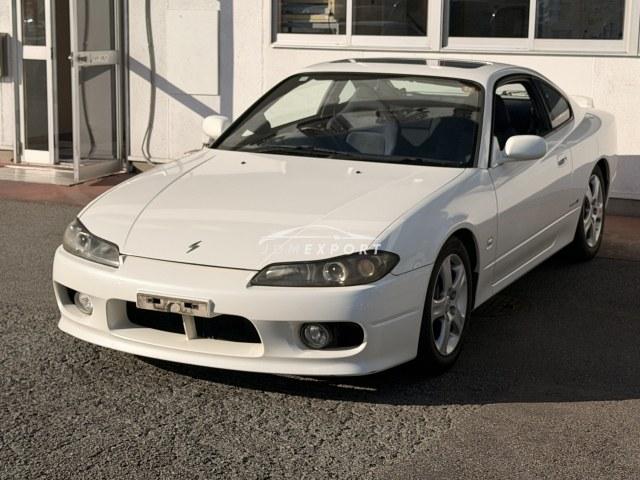
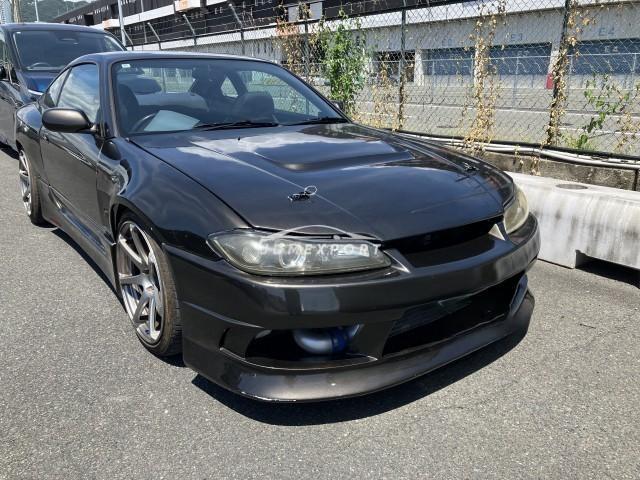
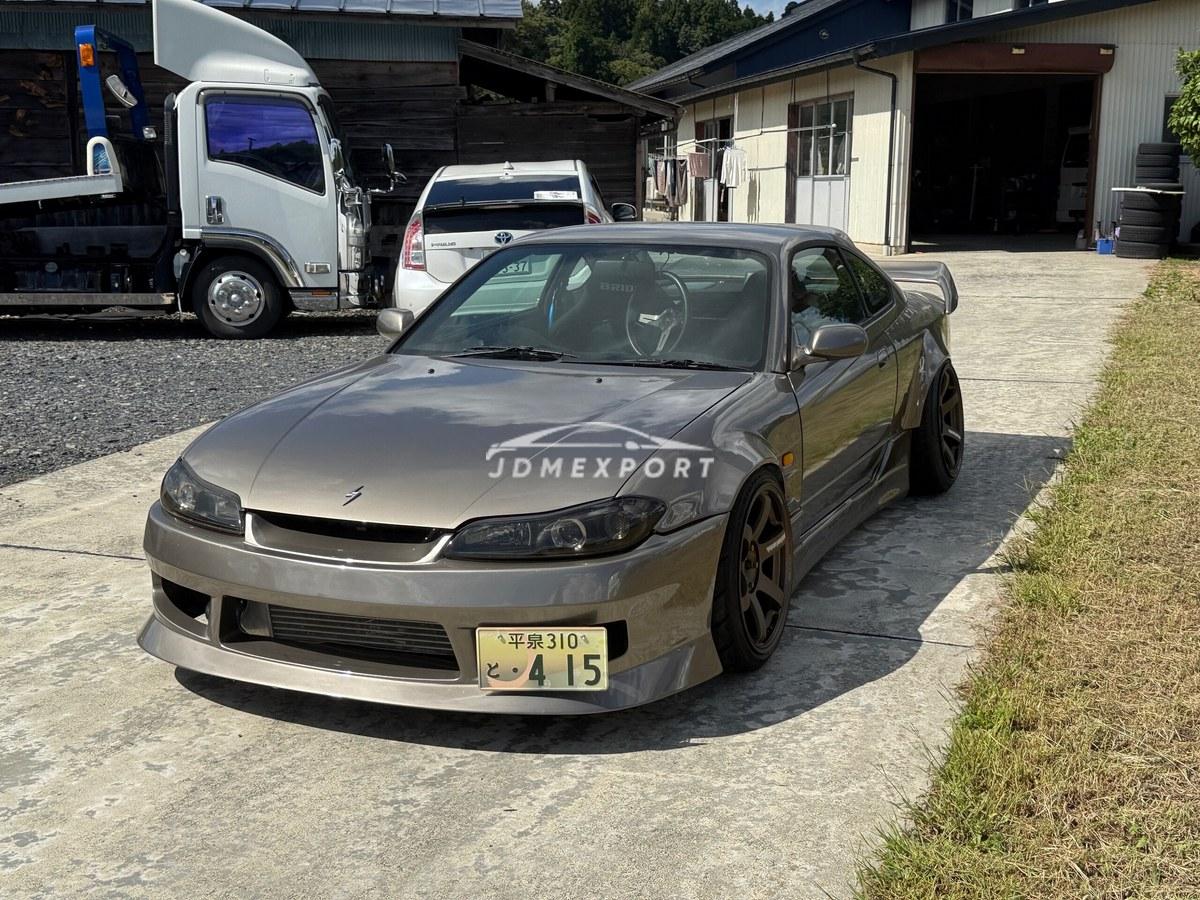
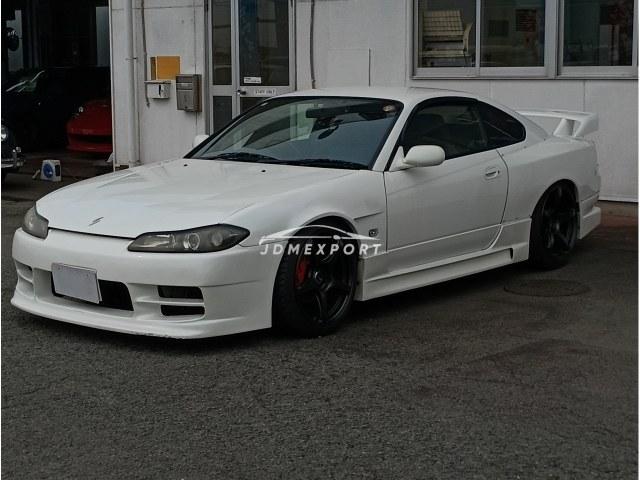
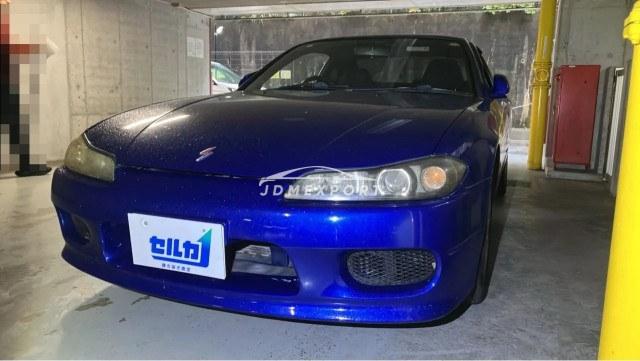
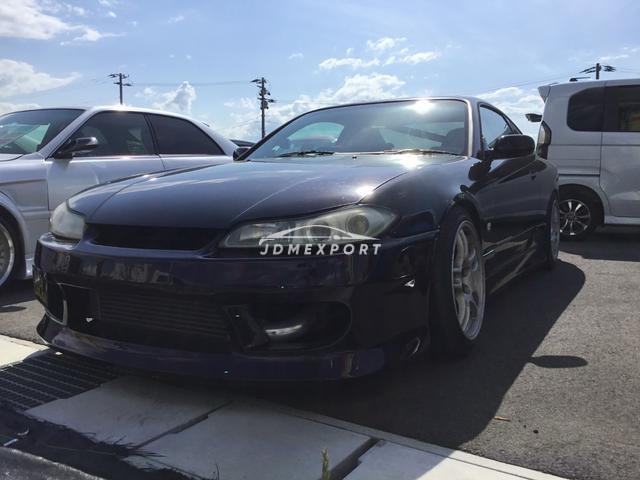
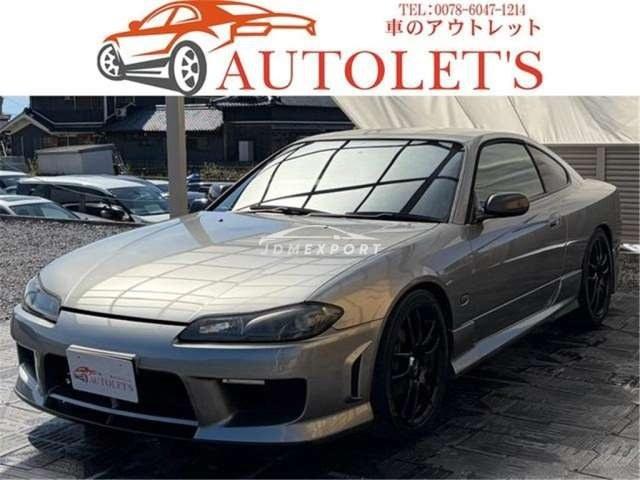
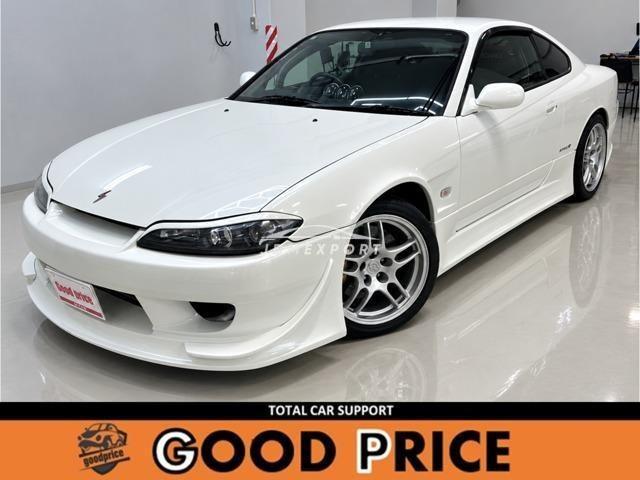
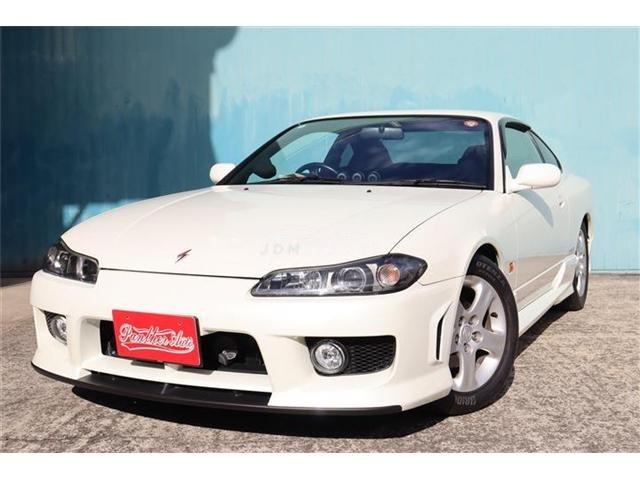
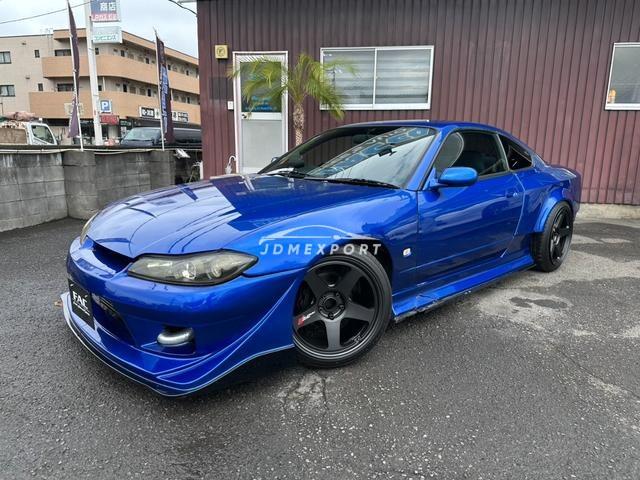
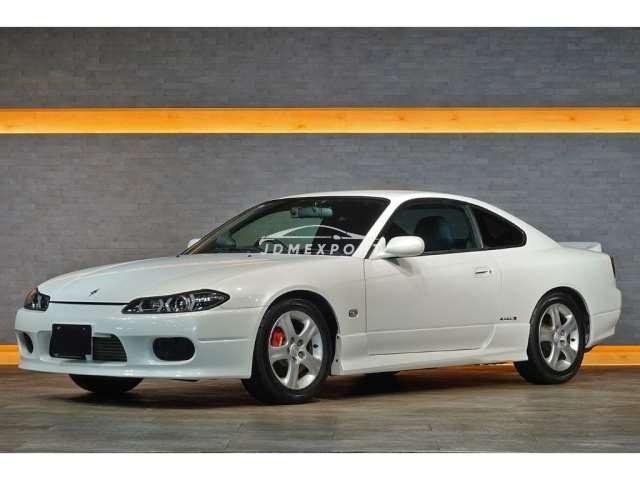
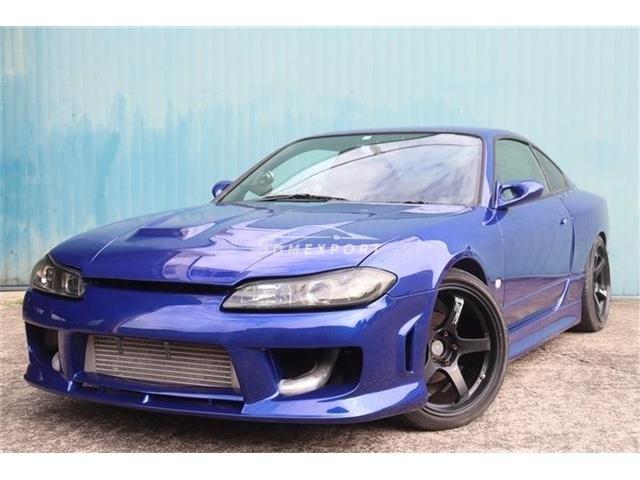
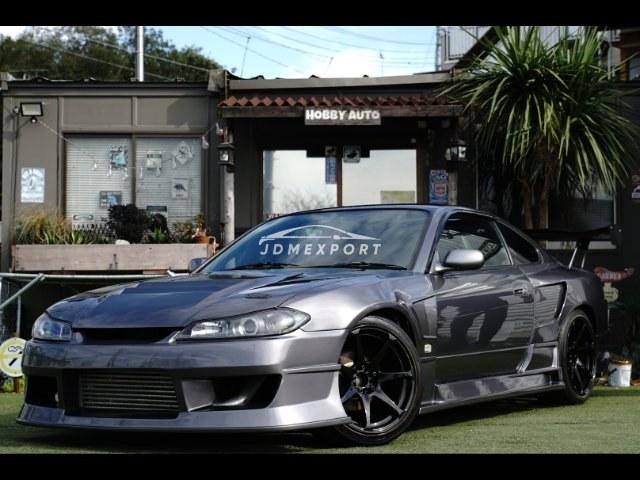
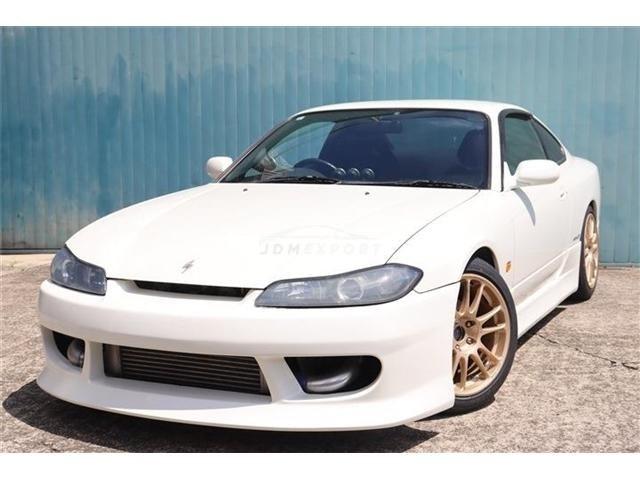
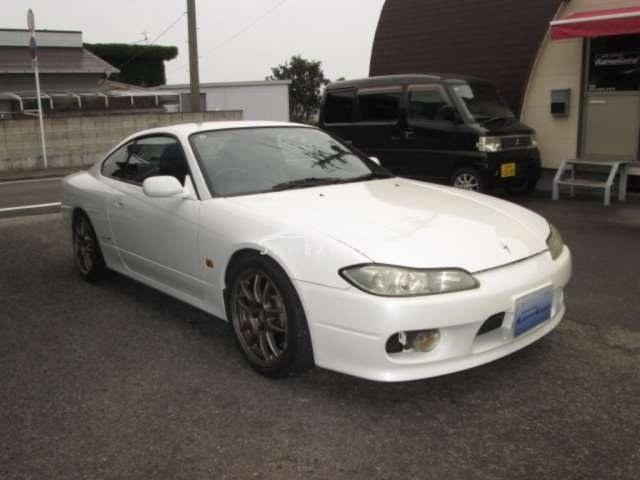
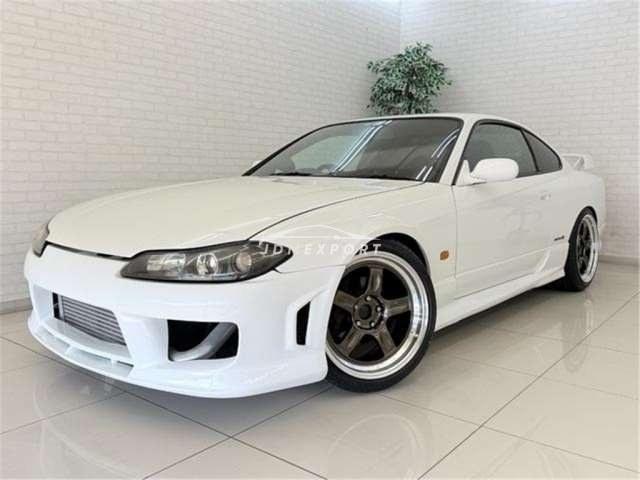
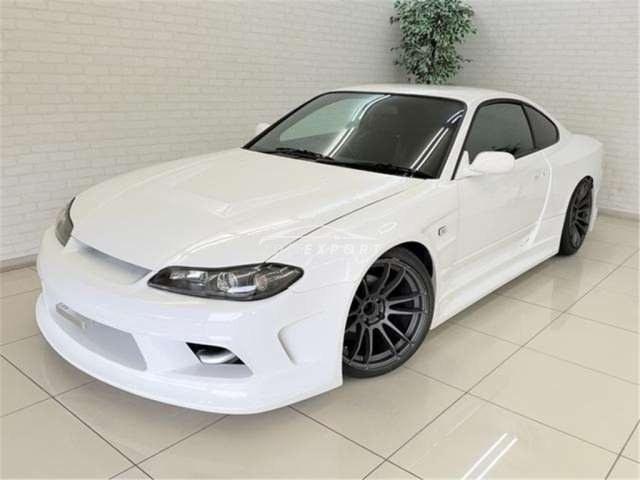
The Nissan Silvia S15 was produced from 1999 to 2002, marking the final generation of Nissan’s legendary Silvia sports coupe. With its sharp styling, rear-wheel-drive layout, and responsive handling, the S15 has become one of the most sought-after Japanese domestic market (JDM) cars among enthusiasts, particularly those who appreciate drifting, tuning, and classic Japanese performance cars.
Unlike many modern sports cars, the Silvia S15 keeps things relatively simple: a front-mounted four-cylinder engine, rear-wheel drive, and a lightweight chassis designed to deliver an engaging driving experience. Its compact proportions and balanced handling make it enjoyable on winding roads and a popular platform for performance modifications.
Engine and Performance
The Silvia S15 was offered with two main engine options, both from Nissan’s SR20 engine family.
The Spec-S features the naturally aspirated 2.0-liter SR20DE engine, producing approximately 160–165 PS depending on the transmission. It offers straightforward performance without a turbocharger, making it an appealing choice for drivers who prefer a simpler setup.
The Spec-R is the more performance-focused version, equipped with the turbocharged 2.0-liter SR20DET engine. In its factory six-speed manual configuration, it produces 250 PS (approximately 247 hp). The Spec-R also benefits from a six-speed manual transmission, upgraded brakes, and chassis enhancements that make it particularly attractive to driving enthusiasts. A four-speed automatic was also available.
Both versions use rear-wheel drive, but their performance and equipment differ significantly. If you’re looking for the classic turbocharged Silvia experience, the Spec-R is generally the version to prioritize.
Why Is the Silvia S15 So Popular?
The S15’s reputation goes beyond its factory specifications. Its strong aftermarket support, responsive chassis, and rear-wheel-drive platform have made it a favorite in the global drifting and tuning communities. Owners can find a wide range of parts for suspension upgrades, engine tuning, wheels, body kits, and other modifications.
The car also stands out for its distinctive design. Compared with earlier Silvia generations, the S15 features slimmer headlights, cleaner body lines, and a more modern appearance while retaining the compact proportions that define the series.
For collectors, the S15 has another major appeal: it is the last Nissan Silvia. Production ended in 2002, making it the final chapter of a sports coupe lineage that began decades earlier.
Buying a Nissan Silvia S15 from Japan
When shopping for a used Silvia S15, pay close attention to its condition and history. Many examples have been modified for drifting or performance driving, so inspect the engine, turbocharger on Spec-R models, transmission, suspension, and chassis for signs of excessive wear or poorly executed modifications. Accident history, rust, and the quality of previous repairs are also worth checking.
It’s important to distinguish factory specifications from modified setups. An S15 advertised as a Spec-R may have undergone engine swaps, transmission changes, or extensive tuning, so verify the vehicle’s actual configuration before purchasing.
For buyers in the United States, import eligibility is another key consideration. The S15 was never officially sold new in the U.S., and eligibility under the federal 25-year vehicle import exemption depends on the individual car’s manufacture date—not simply its model year. EPA requirements and state registration rules must also be considered.
Whether you’re searching for a clean, original example or a modified project car, the Nissan Silvia S15 offers a distinctive combination of Japanese sports car heritage, rear-wheel-drive performance, and tuning potential.