
 Buy Japanese cars from home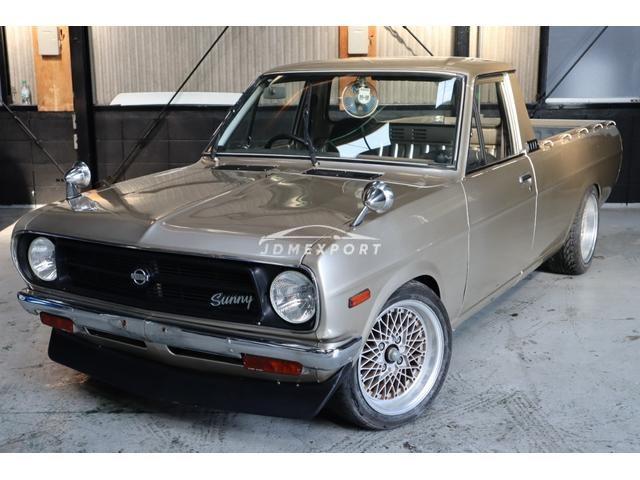

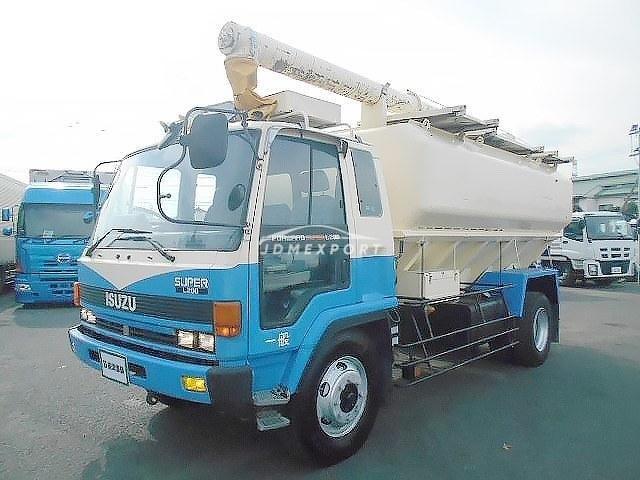
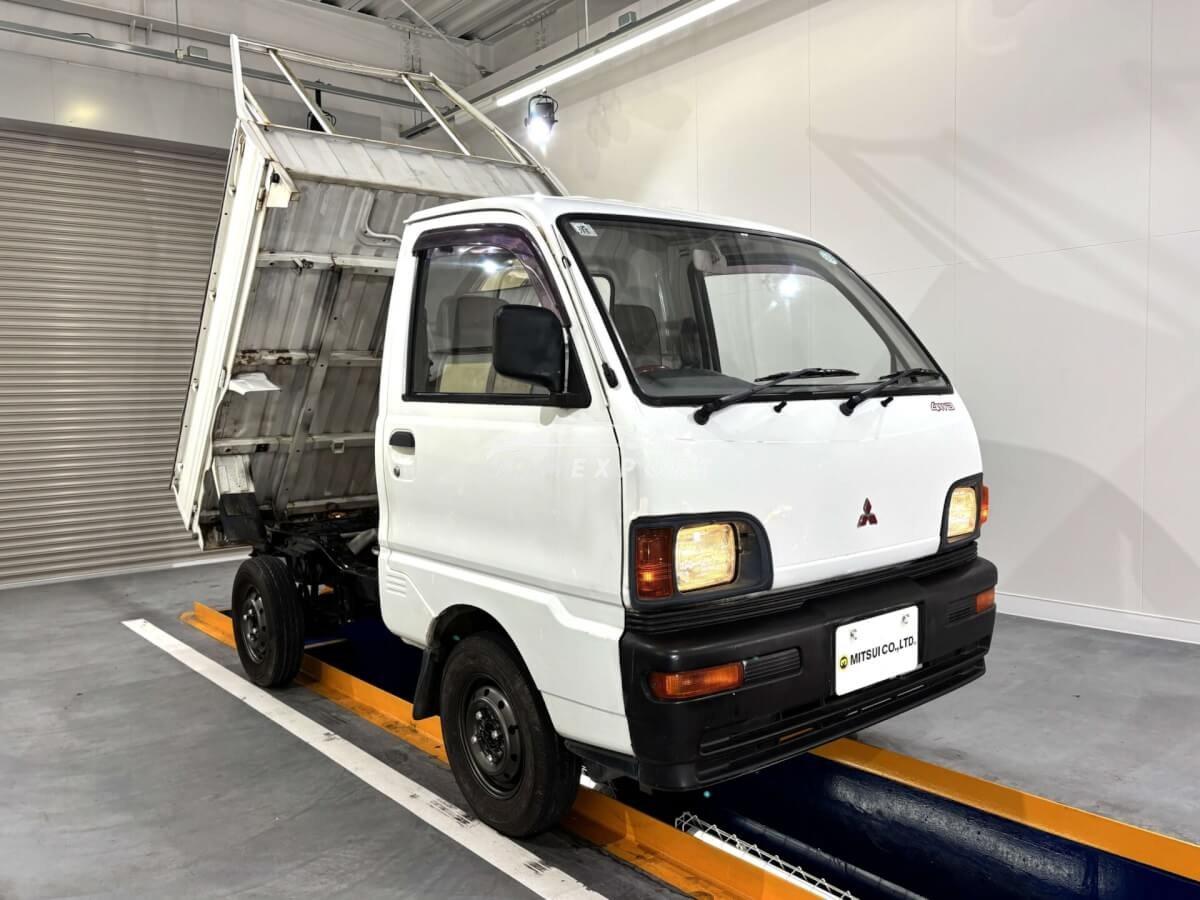
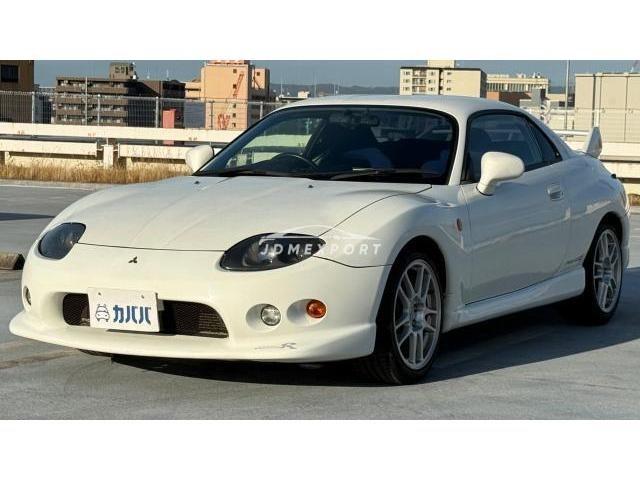
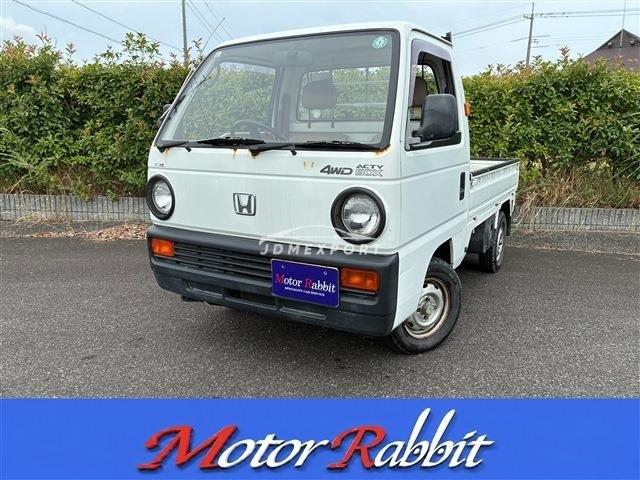

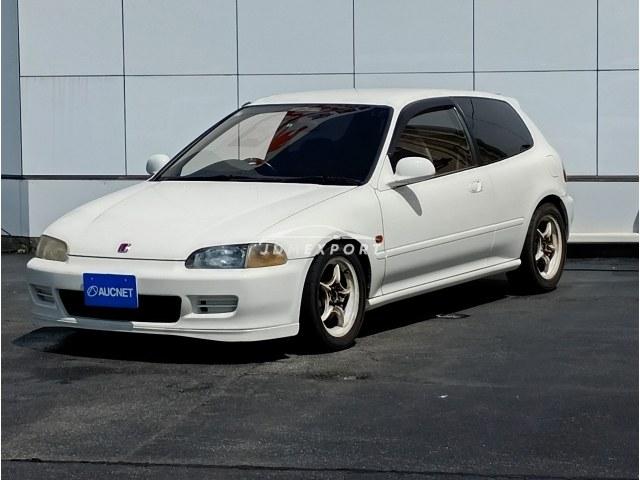
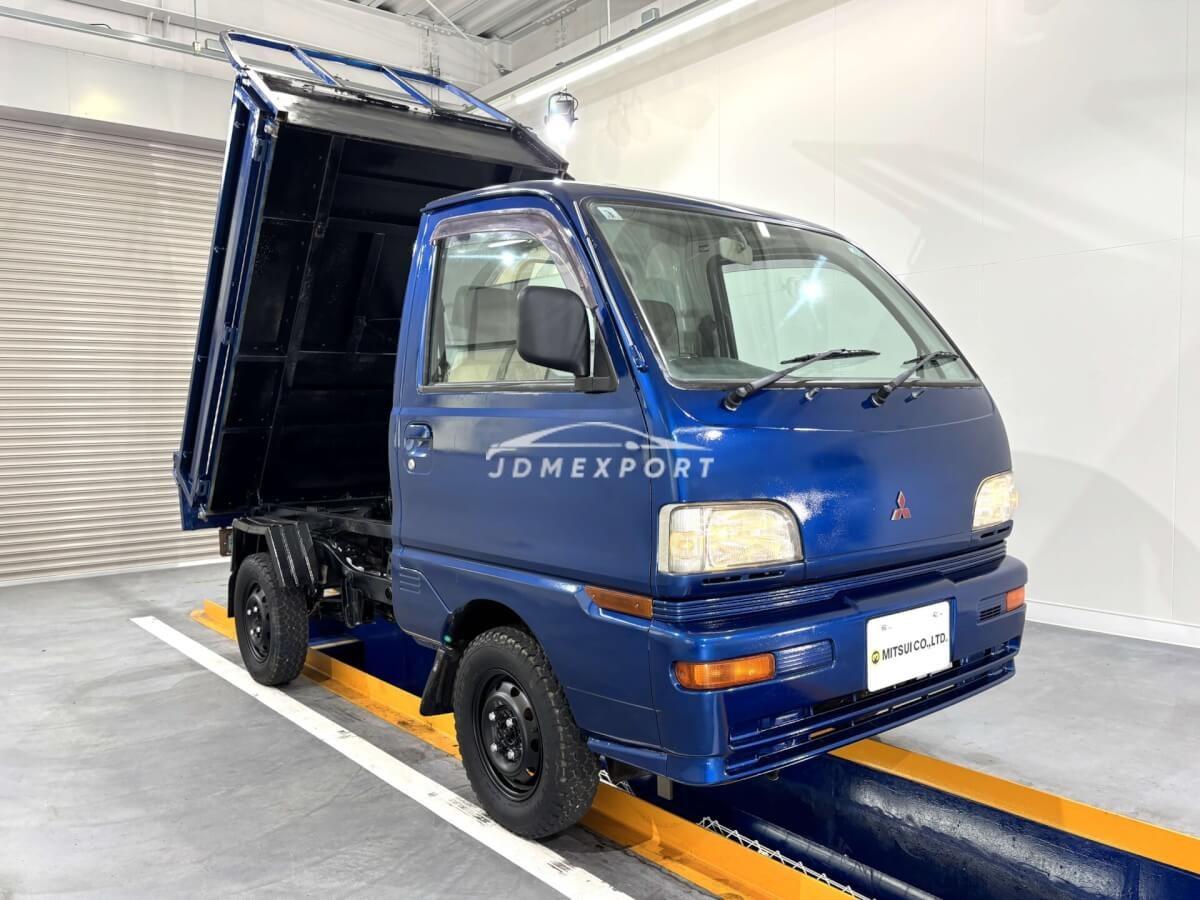
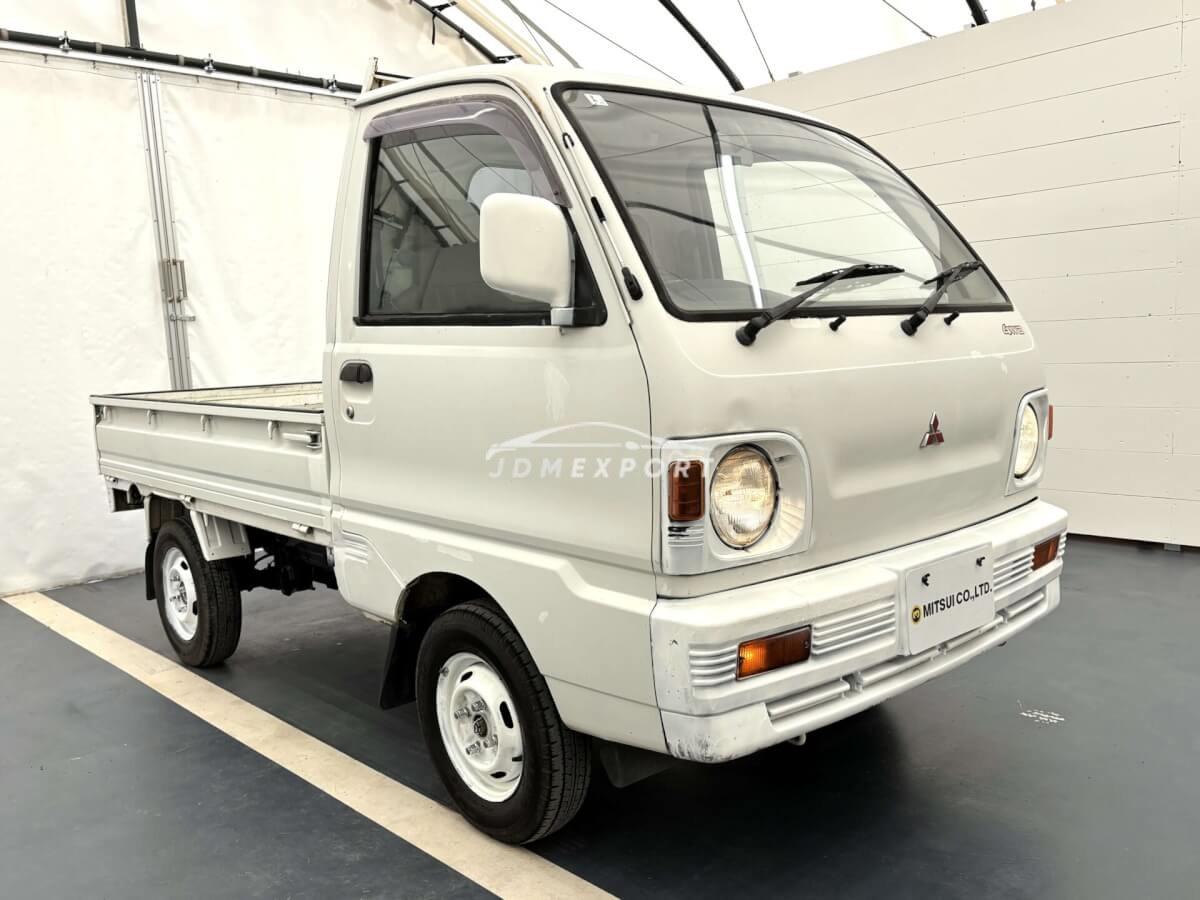
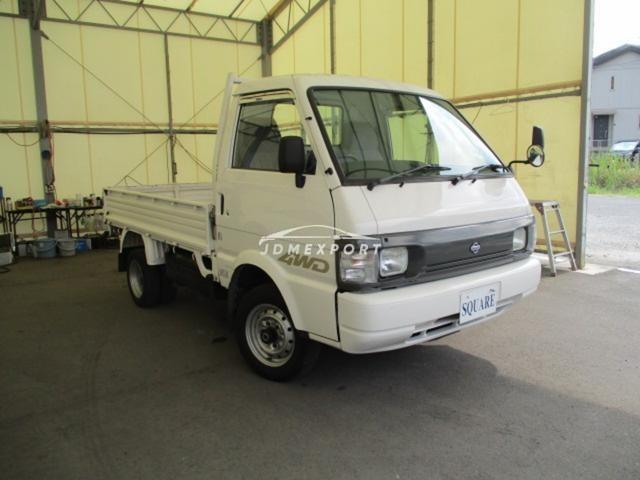
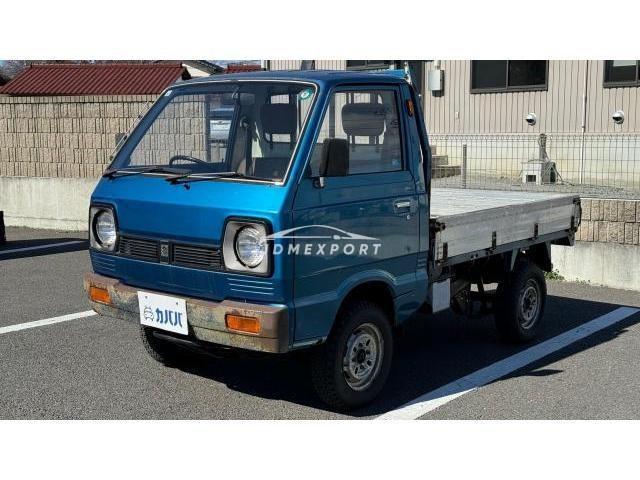
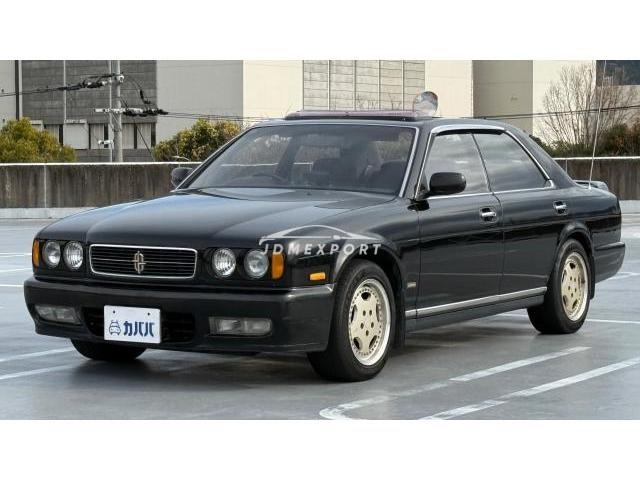
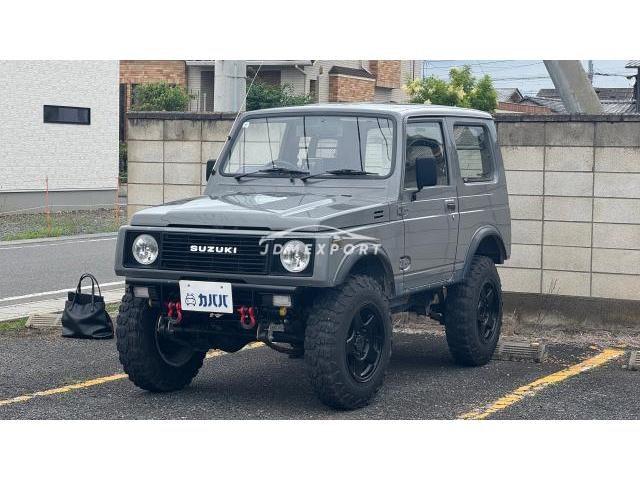
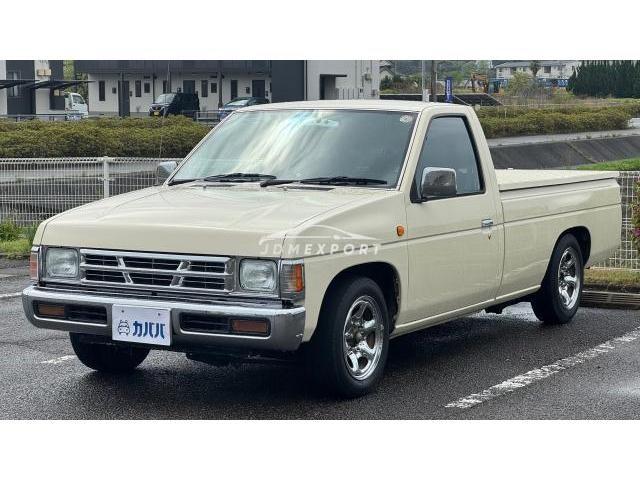
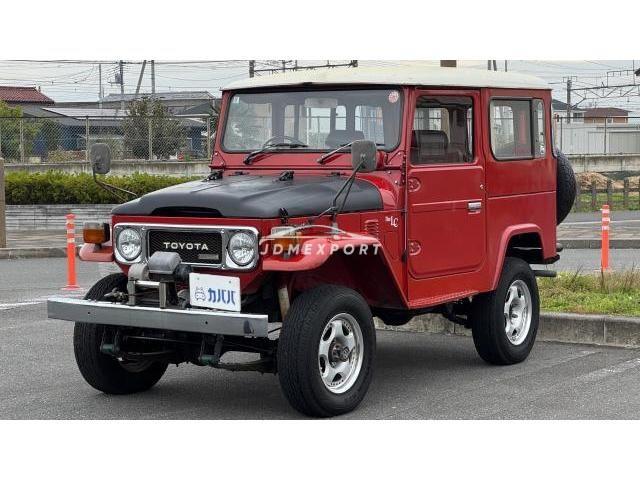
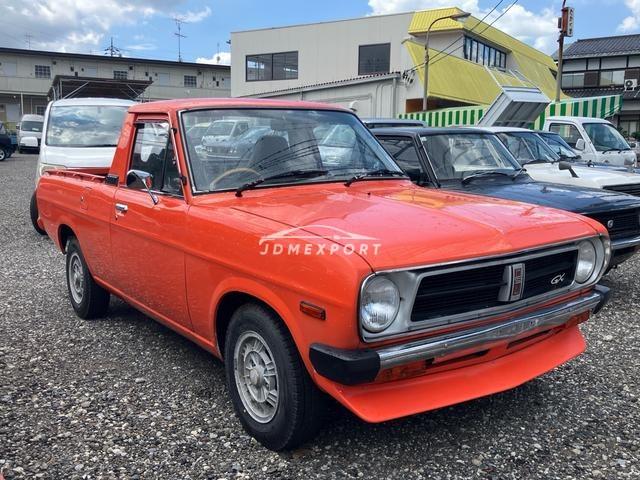

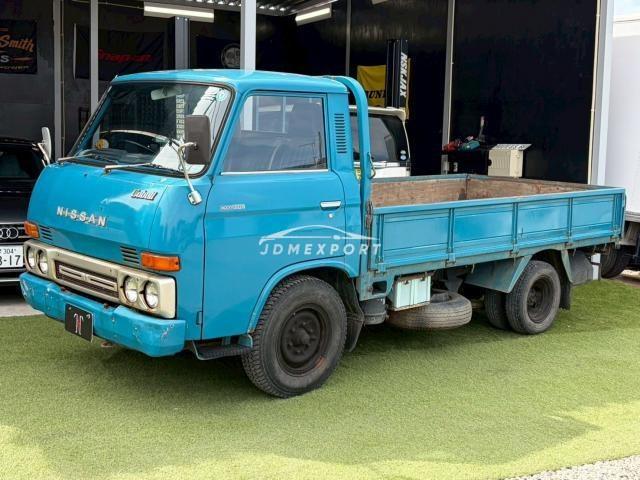
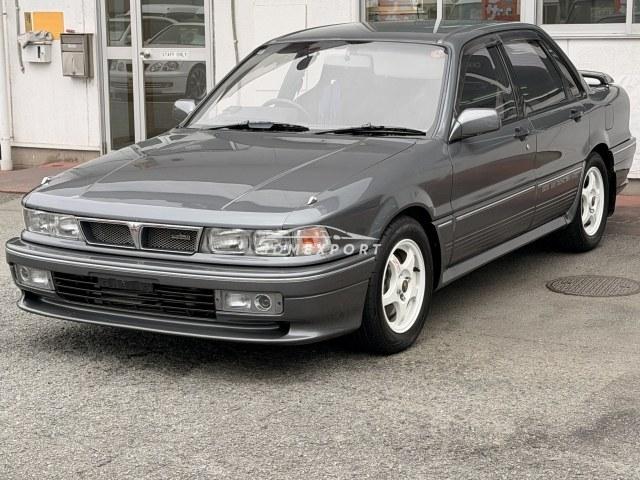
Buying a JDM car from Japan gives U.S. buyers access to a wide selection of unique Japanese vehicles, from classic sports cars and kei cars to compact vans and mini trucks. But choosing the right vehicle involves more than finding a car you like. You should also consider its condition, import eligibility, total cost, and registration requirements in your state.
Whether you are looking for a classic enthusiast car, a practical kei vehicle, or a unique Japanese import, this guide covers the key things to know before you buy JDM cars from Japan.
Why Buy a JDM Car?
JDM cars are vehicles originally built for the Japanese domestic market. Many models and configurations were never officially sold in the United States, giving American buyers access to vehicles that are uncommon or unavailable in the local market.
One of the biggest advantages of shopping for used JDM cars is the variety available in Japan. Buyers can find compact city cars, kei trucks, family vans, performance cars, classic models, and commercial vehicles in a wide range of years, specifications, and price points.
Buying directly from Japan can also give you access to vehicles that have been maintained and driven in Japan before being exported. For enthusiasts, it can be an opportunity to own a particular model, engine, body style, or specification that was never offered in the U.S.
If you are searching for JDM cars for sale, consider your intended use first. A kei car may be ideal for a specific type of city or recreational use, while a classic sports car may be better suited to an enthusiast or collector.
Popular Types of JDM Cars
The Japanese domestic market includes far more than performance cars. When you browse JDM cars for sale, you will find several major categories.
Kei Cars
Kei cars are Japan’s ultra-compact vehicles, designed around Japan’s kei-car regulations. Their small dimensions and efficient engines make them particularly distinctive among Japanese import cars.
Popular examples include the Honda Beat, Suzuki Cappuccino, Daihatsu Mira, Suzuki Alto, and other compact models.
For U.S. buyers, kei cars can be an interesting choice for collectors, enthusiasts, city use where appropriate, or specialized applications. Always check your local registration and road-use requirements before purchasing.
JDM Sports & Performance Cars
JDM sports and performance cars are among the most sought-after Japanese imports in the U.S. They include models such as the Nissan Skyline, Nissan Silvia, Toyota Supra, Toyota Chaser, Mazda RX-7, Mitsubishi Lancer Evolution, and Subaru Impreza WRX STI.
These cars appeal to enthusiasts looking for distinctive styling, performance-focused specifications, and models that may not have been officially sold in the United States in the same configuration.
Kei Vans
Kei vans offer the compact dimensions of a kei vehicle with a more practical body style. Models such as the Honda Acty Van, Suzuki Every, Daihatsu Hijet, and Subaru Sambar can provide useful cargo or passenger space while remaining significantly smaller than typical American vans.
Kei Trucks & Commercial Vehicles
Kei trucks are compact Japanese work vehicles designed for transporting cargo in tight spaces. Popular models include the Honda Acty Truck, Suzuki Carry, Daihatsu Hijet, and Subaru Sambar.
They are particularly popular among U.S. buyers looking for compact utility vehicles, farm and property vehicles, or collector vehicles. However, road-use and registration rules for these vehicles can vary by state, so check your state’s requirements before you buy.
What to Check Before Buying JDM Cars
Before purchasing any Japanese import cars, confirm that the specific vehicle can be legally imported and registered for your intended use.
Check the U.S. 25-Year Rule
For most non-U.S.-specification vehicles, NHTSA’s Federal Motor Vehicle Safety Standards (FMVSS) requirements are a major consideration. A motor vehicle that is at least 25 years old can generally be imported without needing to comply with the applicable FMVSS requirements, with the 25-year period calculated from the vehicle’s date of manufacture. (NHTSA)
This means the exact manufacturing date can matter—not simply the model year shown in a listing.
Vehicles less than 25 years old that were not originally manufactured to comply with applicable U.S. safety standards generally require a different import pathway, such as eligibility through NHTSA and compliance work by an appropriate Registered Importer. (NHTSA)
Consider EPA Requirements
NHTSA safety requirements and EPA emissions requirements are separate. For non-U.S.-version vehicles, EPA has its own import rules. EPA guidance provides an exemption for certain vehicles that are 21 years old or older and remain in their original, unmodified configuration, subject to the applicable requirements. (US EPA)
Do not assume that meeting the 25-year NHTSA rule automatically satisfies every federal or state requirement. Check the current requirements that apply to the specific vehicle before shipping it to the United States.
Check Your State’s Registration Rules
Federal import eligibility does not automatically guarantee that a vehicle can be titled and registered for every purpose in every state.
Before you buy JDM cars, check with your state’s DMV or other relevant authority regarding:
- Title and registration requirements
- Vehicle inspection requirements
- Emissions requirements
- Right-hand-drive vehicle rules
- Use restrictions for kei trucks and other low-speed or specialty vehicles
- Required import and ownership documents
Doing this research before purchasing can help prevent unexpected problems after your vehicle arrives in the U.S.
Understanding JDM Car Cost
The advertised vehicle price is only one part of the cost of importing a JDM car to the United States.
When comparing JDM cars for sale, consider the complete cost of getting the vehicle from Japan to your destination.
Vehicle Price
This is the price of the vehicle itself. Prices can vary significantly based on:
- Model and specification
- Year and mileage
- Condition
- Auction grade or inspection information
- Rarity and demand
- Transmission and drivetrain
- Originality and modifications
Japan-Side & Export Costs
Depending on the vehicle and transaction, additional costs may include domestic transportation, export-related services, documentation, and other fees.
International Shipping
Ocean freight is another major component of the final cost. Your shipping cost can depend on the vehicle, destination port, shipping method, and other logistics factors.
U.S. Import & Destination Costs
After arrival, buyers may also need to account for customs-related charges, port fees, customs brokerage, inland transportation, state taxes, title and registration fees, and other local expenses.
For this reason, compare the total delivered cost, rather than looking only at the vehicle price when evaluating used JDM cars.
How to Choose the Right JDM Car
The right JDM car depends on what you want to do with it.
- For Enthusiasts & Collectors: Look for classic or performance-oriented models with desirable specifications, strong documentation, good overall condition, and a history that matches your intended use.
- For Compact & Recreational Use: Kei cars can be an option if you are specifically looking for a small Japanese vehicle and your intended use is permitted by local regulations.
- For Utility & Property Use: Kei trucks and commercial vehicles offer a compact alternative for certain property, agricultural, or recreational applications. Check state restrictions before purchasing if you intend to operate the vehicle on public roads.
- For Family & Practical Use: Japanese vans and compact MPVs offer a different combination of space and practicality from many vehicles commonly sold in the U.S.
- For a Specific Model: If you already have a particular car in mind, pay close attention to the exact year, chassis, engine, drivetrain, transmission, mileage, condition, and original specification. Two examples of the same model can have very different values and ownership considerations.
Why Import Directly from Japan via JDM Export?
Buying directly from Japan allows U.S. buyers to shop from the Japanese used-car market rather than limiting their search to vehicles already available locally.
JDM Export is an online platform focused on helping U.S. customers find and purchase Japanese domestic market vehicles directly from Japan. Its inventory includes JDM classics, sports cars, kei cars, kei trucks, vans, SUVs, and other Japanese vehicles.
When you browse JDM cars for sale on JDM Export, you can search and compare vehicles by make, model, body type, year, price, and delivery location. Vehicle listings can also include specifications, photos, mileage, and available condition information.
JDM Export also provides information and support throughout the purchasing and export process, helping buyers move from selecting a vehicle in Japan to arranging delivery to a U.S. port.
For buyers who want to buy JDM cars without traveling to Japan, an online purchasing and export process provides a convenient way to browse available vehicles, request details, and arrange the import process remotely.
Before purchasing, always confirm the vehicle’s import eligibility and understand the federal, state, and local requirements that apply to your specific vehicle and intended use.
Ready to find your next Japanese import? Browse available JDM cars for sale and compare models, specifications, prices, and delivery options. From classic performance cars and kei cars to vans and mini trucks, JDM Export gives U.S. buyers access to a broad selection of used JDM cars sourced from Japan.