

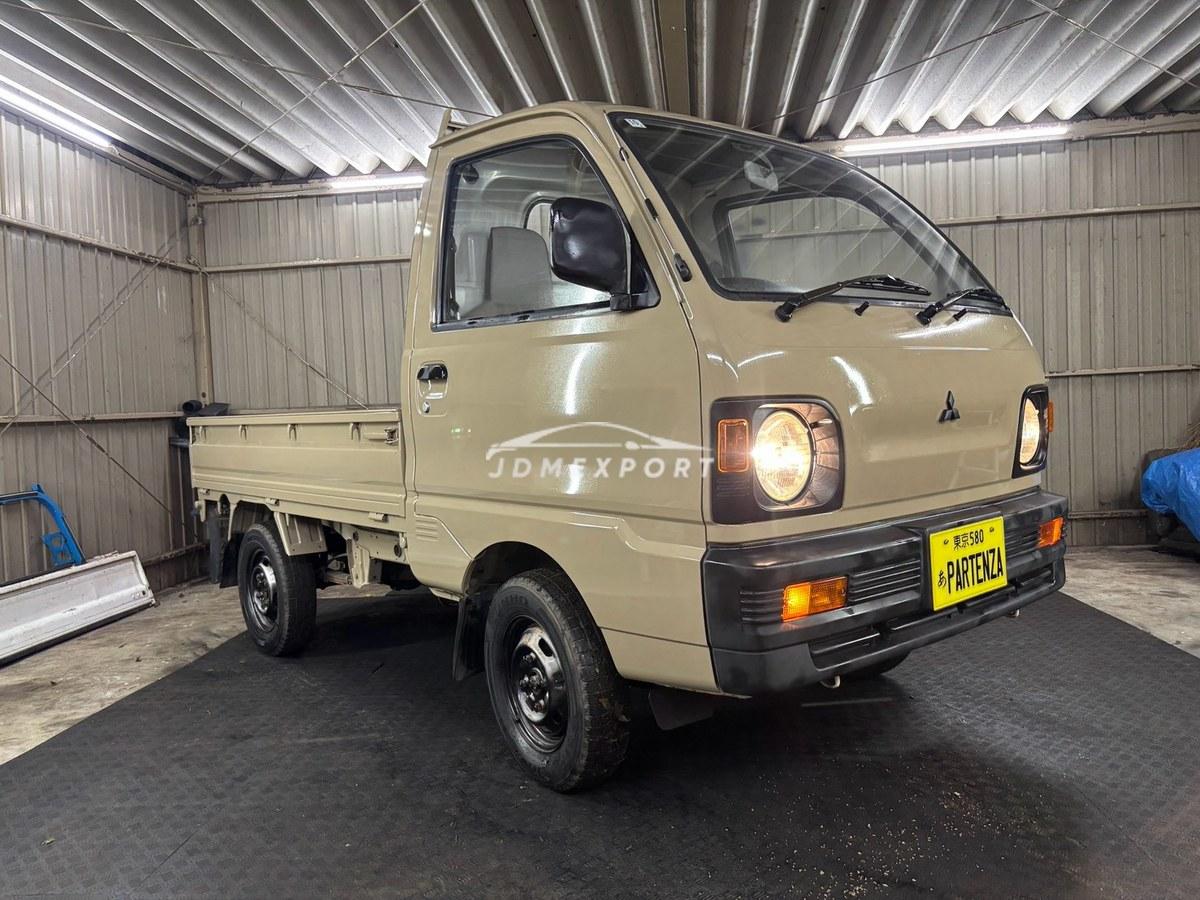
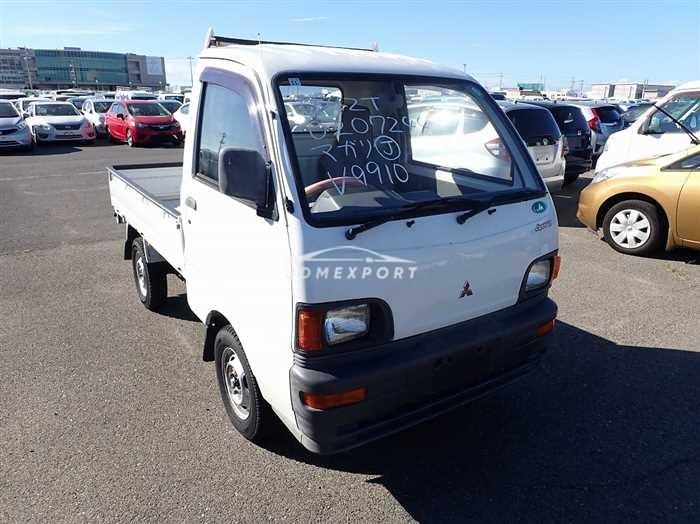


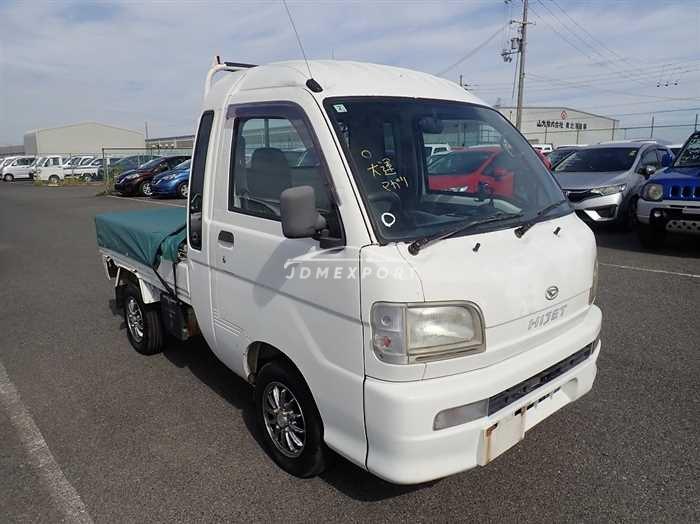
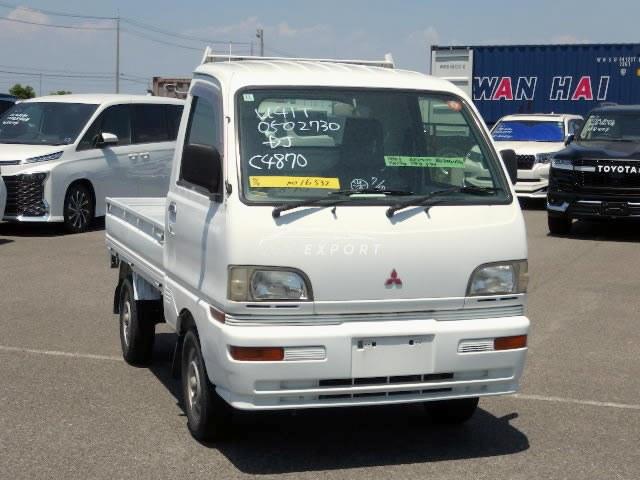
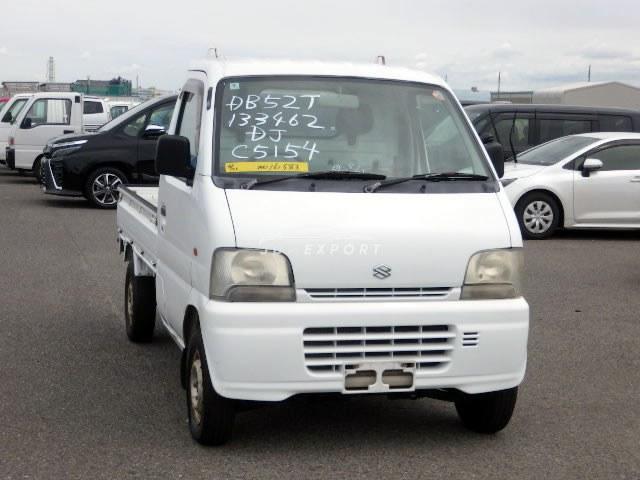
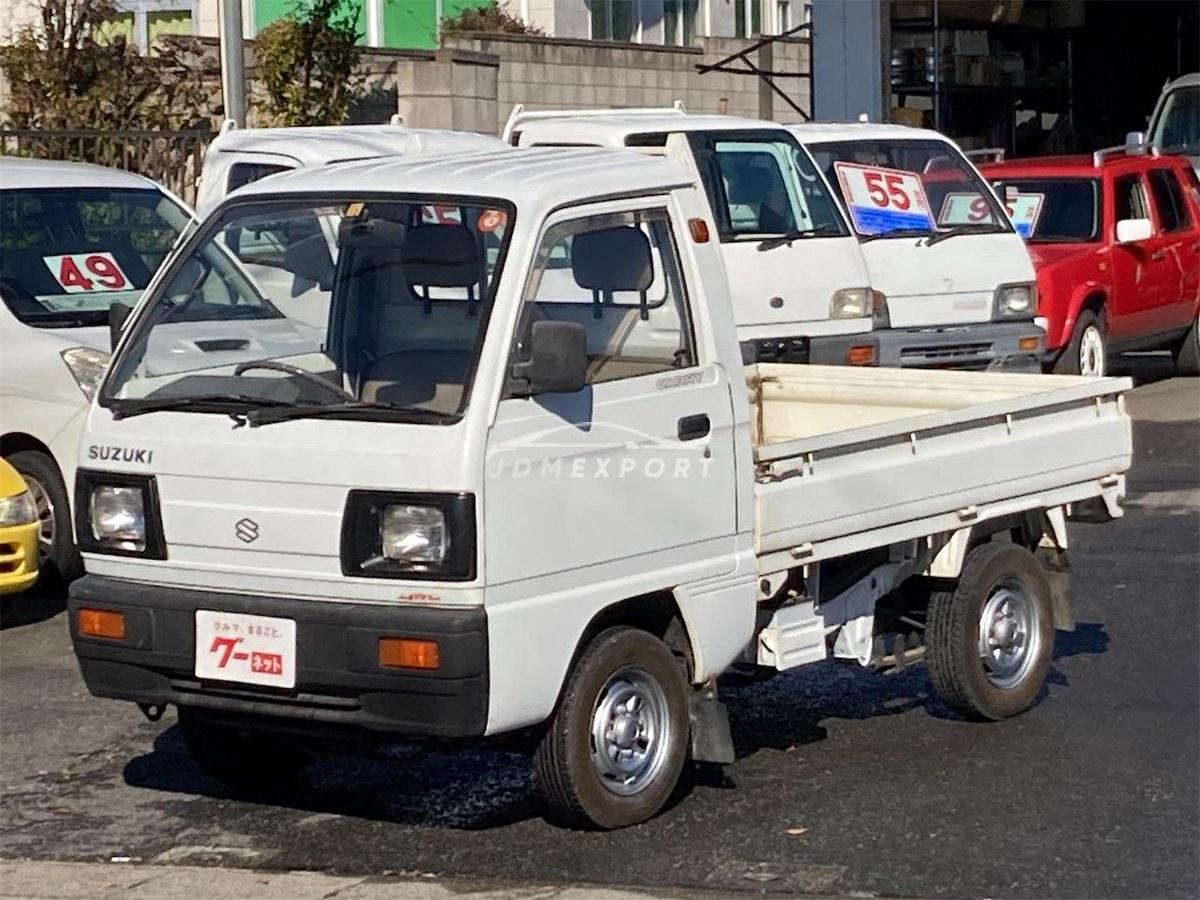

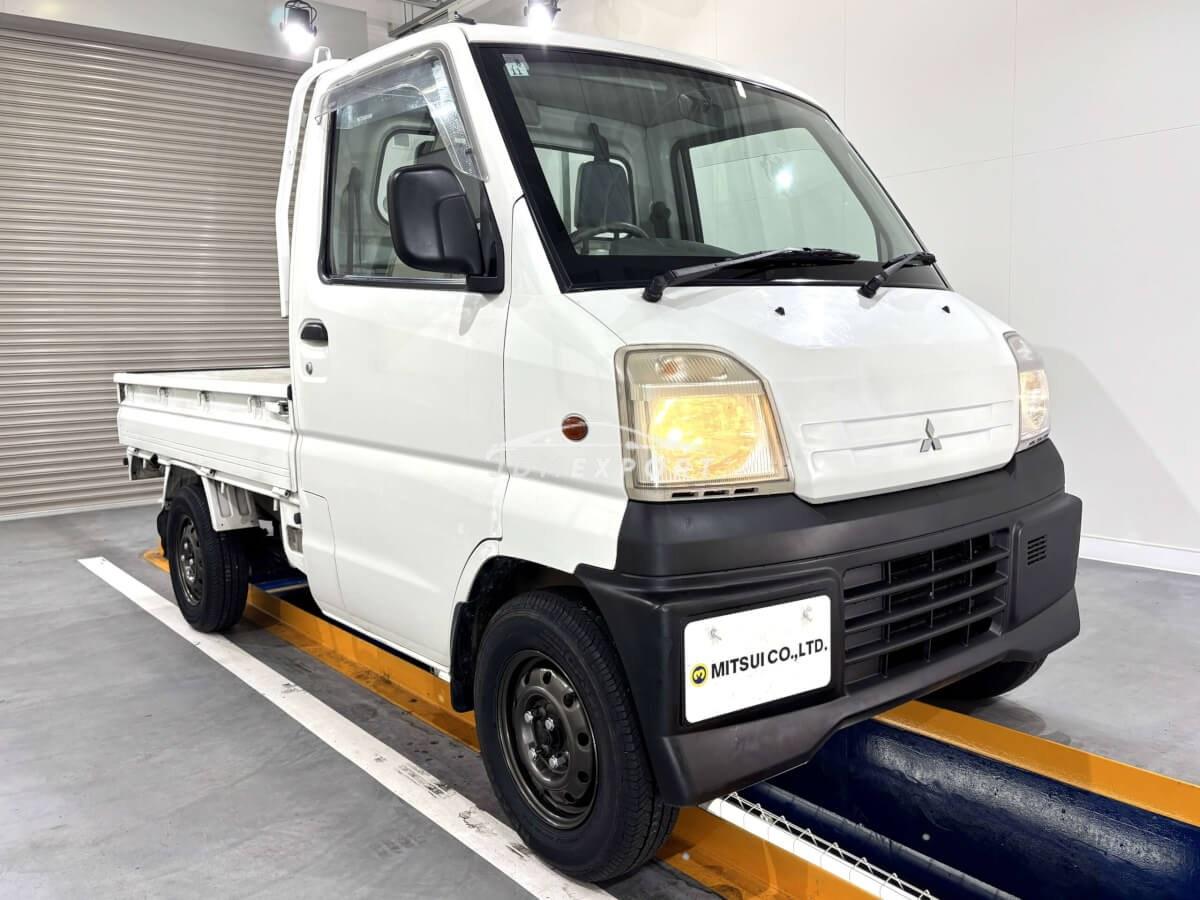
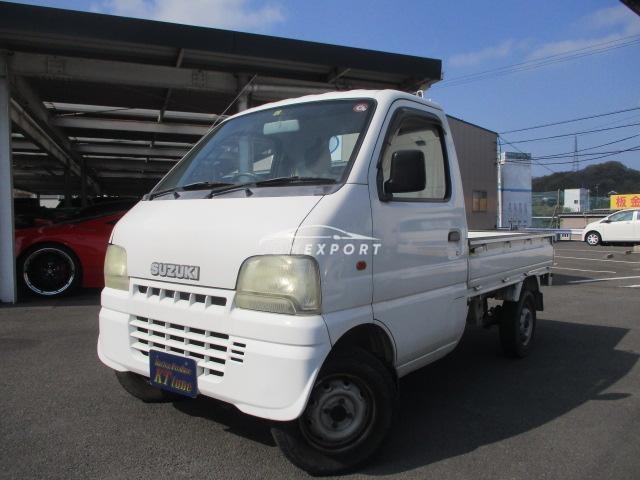
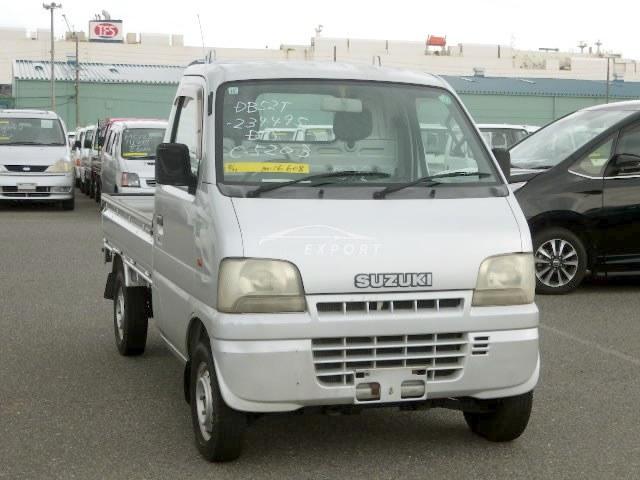
Kei trucks are Japan’s compact work trucks, limited to 660cc engines and a body no larger than 3.4 m long and 1.48 m wide. They carry up to 350 kg (770 lb) on a flatbed, come in rear-wheel drive or 4WD, and are most commonly bought in the U.S. for farms, hunting land and property work. A kei truck becomes eligible for U.S. import once it is 25 years old. This guide covers the main Japanese mini trucks, how they differ, and what you need to know before you import one.
What Is a Kei Truck?
“Kei” is short for keijidōsha, meaning “light automobile.” A kei truck (keitora) is a cab-over flatbed truck built to Japan’s kei-class rules. Cab-over means the driver sits over or ahead of the front axle, which gives a longer bed on a very short body.
The class limits have changed over time, which matters because most trucks eligible for U.S. import were built under the older rules:
| Period | Max engine | Max length | Max width |
|---|---|---|---|
| Until 1989 | 550cc | 3.20 m | 1.40 m |
| 1990 to Sept 1998 | 660cc | 3.30 m | 1.40 m |
| Oct 1998 onward | 660cc | 3.40 m | 1.48 m |
Most kei trucks have a fold-down tailgate and side panels, a ladder frame and a legal payload of 350 kg. Many offer selectable 4WD, and some have low range or a rear differential lock. The cab is enclosed, and most have a heater, though air conditioning and power steering depend on the trim.
Why Buy a Kei Truck?
Kei trucks are small, light and cheap to run. They fit through barn doors and down narrow trails, and most owners see roughly 30 to 40 mpg. They’re also mechanically simple, and engine and drivetrain parts are easy to source.
The trade-offs are just as clear. They’re slow, with a realistic cruising speed of 50 to 60 mph, and they’re not suited to highway driving. The cab is tight, especially for taller drivers, and most 1990s trucks have no airbags and may lack ABS and AC. All Japanese-market trucks are right-hand drive.
Best Japanese Mini Trucks
| Model | Engine layout | Drivetrain | Cylinders | Known for |
|---|---|---|---|---|
| Honda Acty | Mid-engine | RWD / real-time 4WD | 3 | Handling and balance |
| Suzuki Carry | Mid-engine | RWD / selectable 4WD, low range on many | 3 | Parts and mods |
| Subaru Sambar (to 1998) | Rear-engine | RWD / selectable 4WD | 4 | Traction, smooth ride |
| Daihatsu Hijet | Mid-engine | RWD / selectable 4WD | 3 | Jumbo cab, bed options |
| Mitsubishi Minicab | Mid-engine | RWD / selectable 4WD | 3 | Low price, torque |
Honda Acty Truck
The Acty places its three-cylinder engine mid-chassis, under the cab floor, which gives it even weight distribution and stable handling on pavement and gravel. The 4WD system is real-time, so it engages automatically, but there’s no low range. It’s a good pick for property work and for buyers who want the most car-like drive. Honda ended Acty Truck production in 2021.
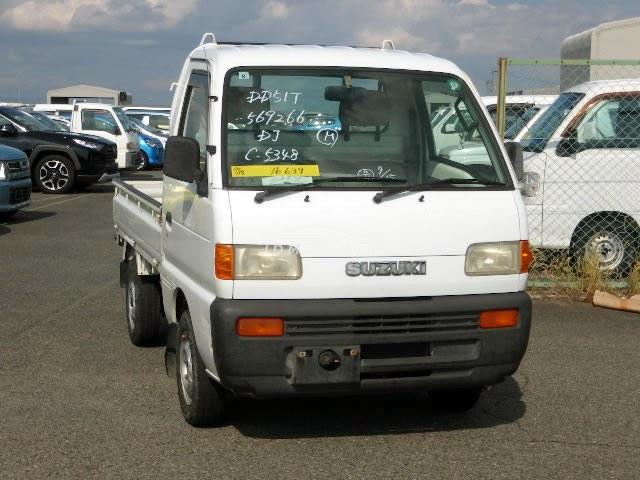
Suzuki Carry Truck
The best-selling kei truck in Japan, with the widest parts and aftermarket support. Many 4WD versions have a low-range transfer case, which helps on steep or muddy ground. It’s the easiest to repair and modify, and the usual base for lift kits and off-road tires.
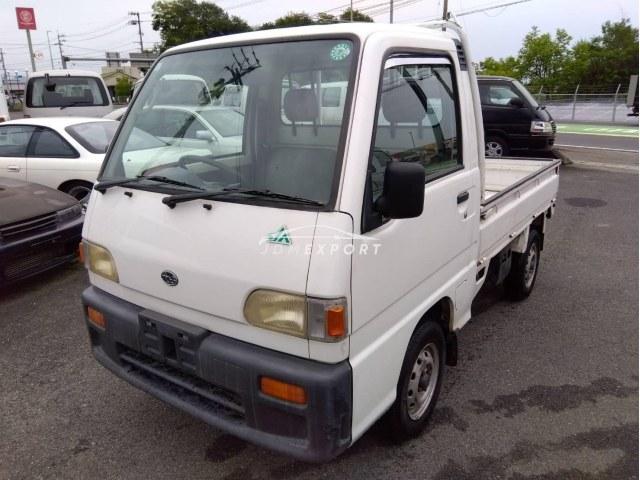
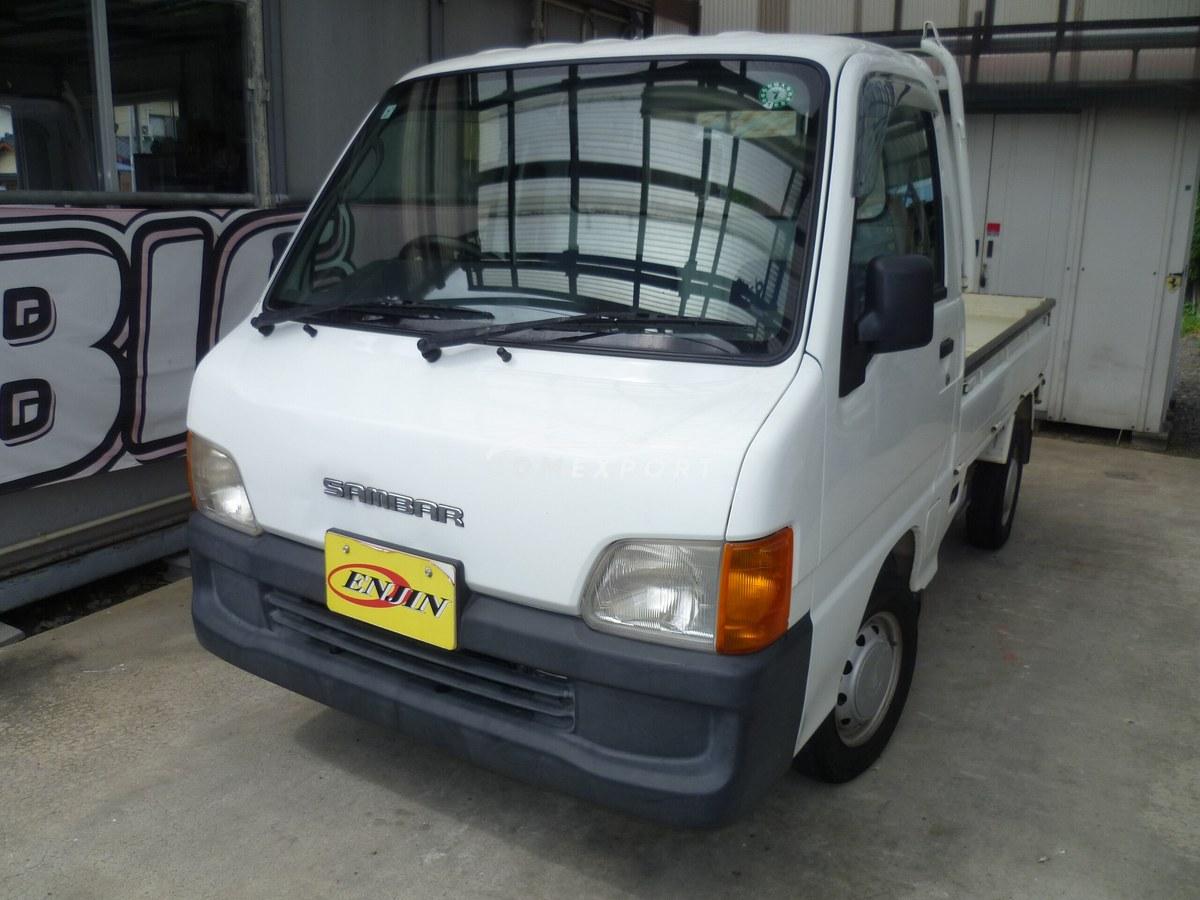
Subaru Sambar Truck
Through the late 1990s, the Sambar is rear-engine and rear-drive, which puts weight over the drive wheels for good traction in mud and snow. Models through 1998 use a four-cylinder engine, with supercharged versions available, and the ride is smoother and quieter than the three-cylinder trucks. Later Sambars (1999 onward) were built by Daihatsu and are mechanically closer to the Hijet. Enthusiasts nicknamed it the “Sambarghini.”
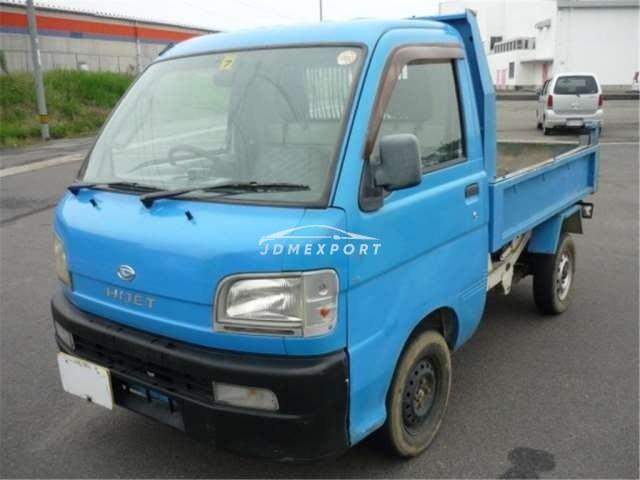
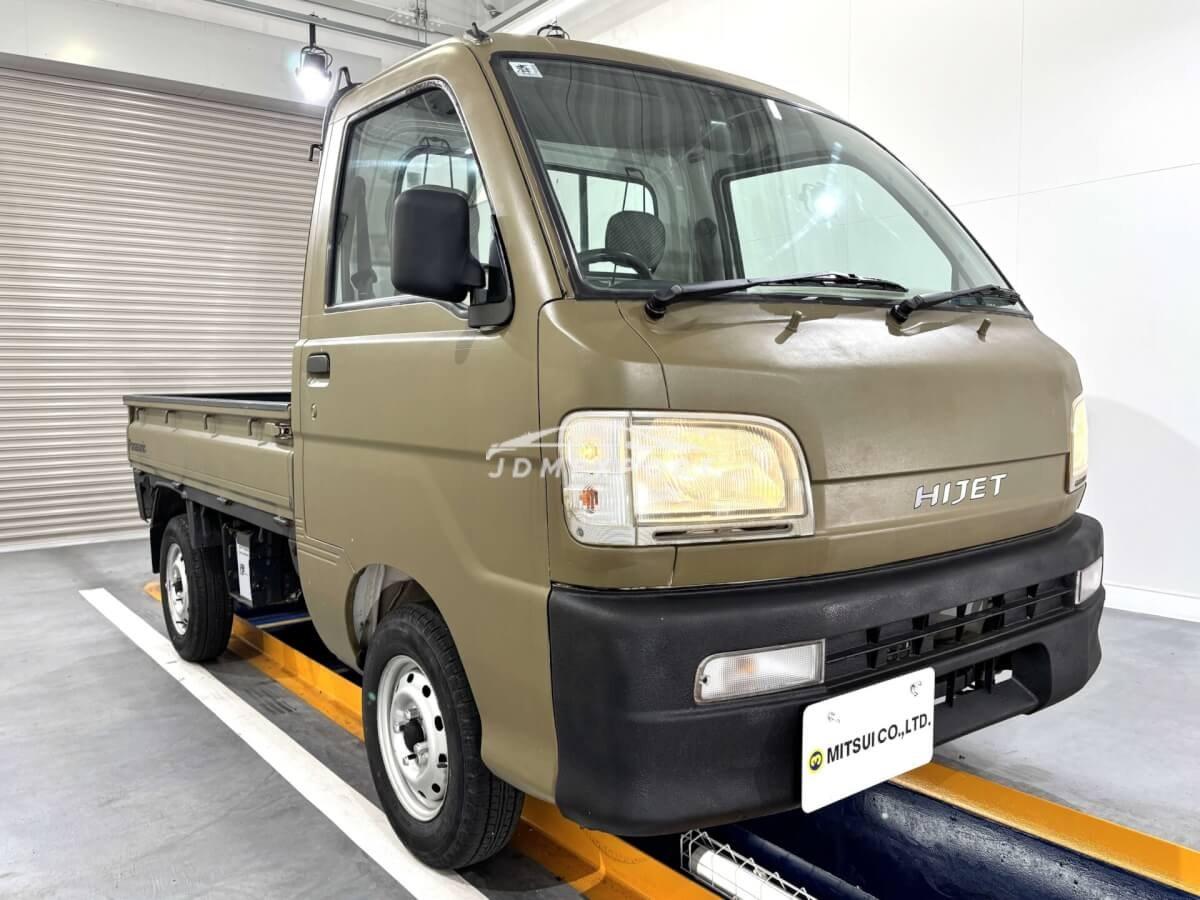
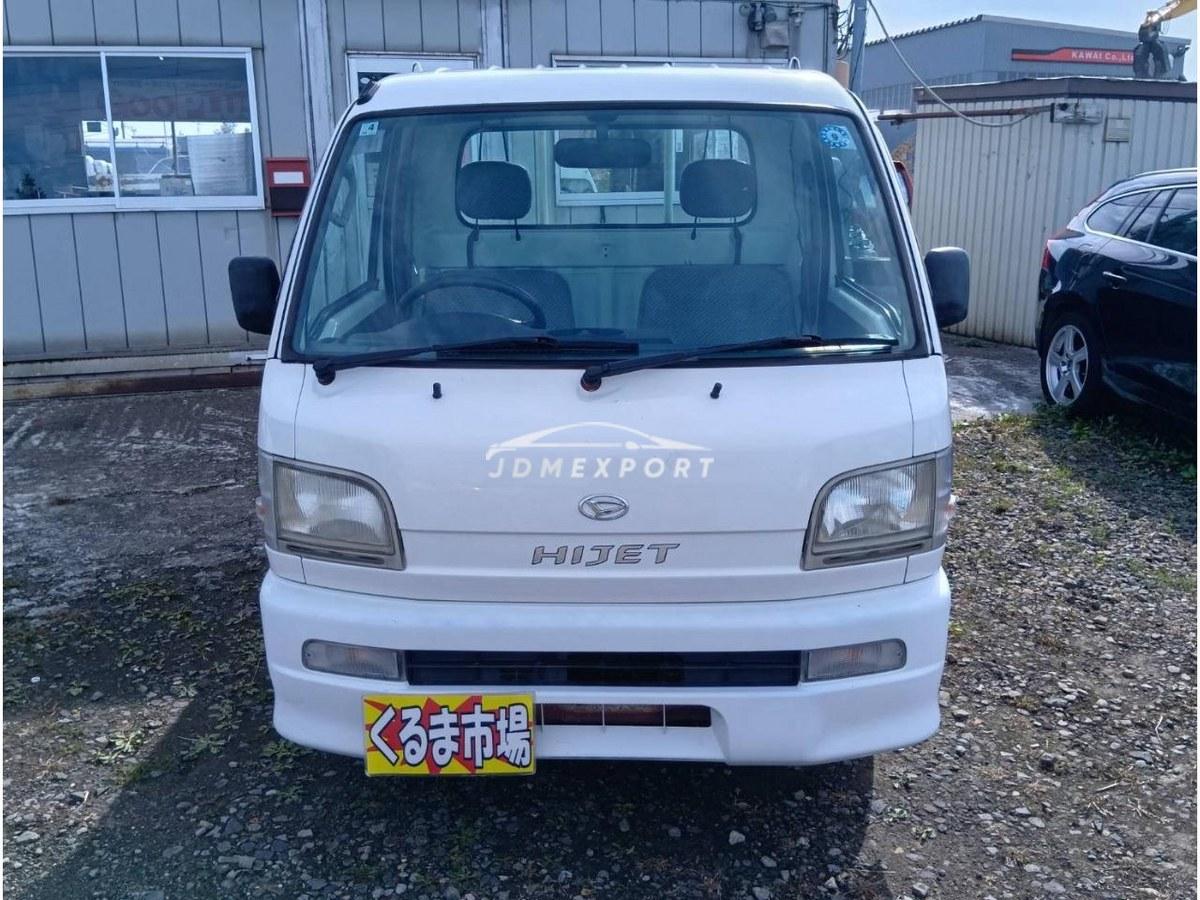
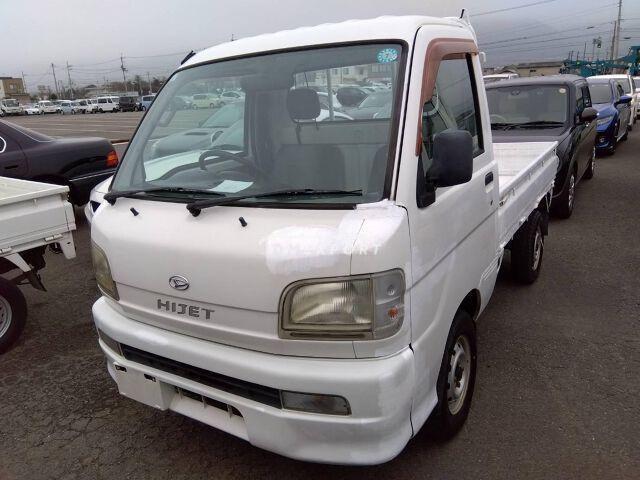
Daihatsu Hijet Truck
The Hijet is known for the Jumbo cab, which adds room behind the seats and more seat recline, making it the best choice for taller drivers. It also has the widest range of bed options, including factory dump beds, so it’s popular with landscapers and commercial users.
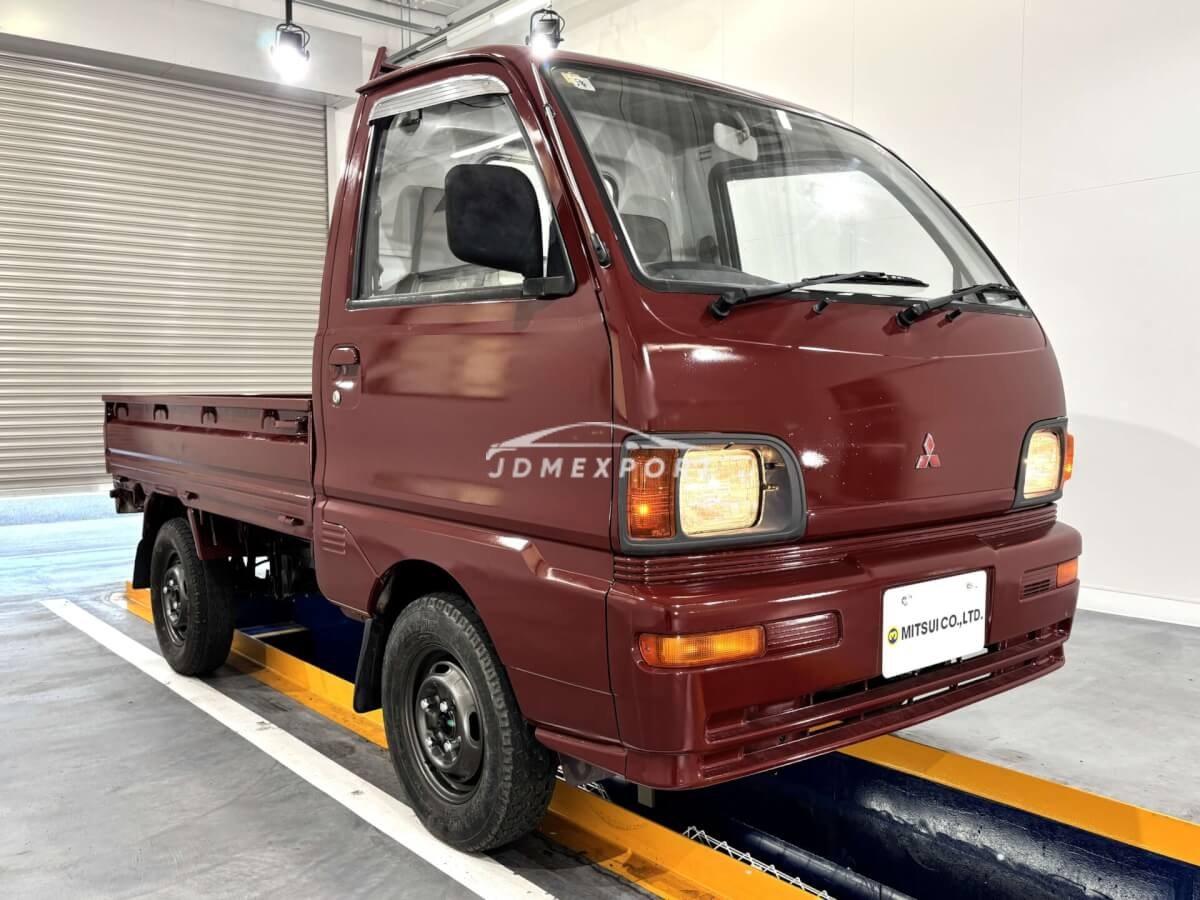
Mitsubishi Minicab Truck
A plain, durable work truck with good low-end torque. It’s often cheaper than a comparable Honda, Suzuki or Subaru, though aftermarket support is smaller. It suits buyers who want a basic 4WD hauler at a lower price.
Can You Drive a Kei Truck on U.S. Roads?
Federal eligibility and road legality are two different things.
- Federal import rule: A vehicle that is 25 years old, counted from its month of manufacture, is exempt from FMVSS safety standards and EPA emissions requirements.
- State registration: Each state sets its own rules for titling and road use. Some states register kei trucks like any other vehicle, some limit them to low-speed roads, and some restrict public-road use or titling altogether. Japanese chassis numbers aren’t 17-digit VINs, so many DMVs also require a VIN verification. Check with your DMV before you buy, and don’t assume a title in one state transfers to another.
- Customs and duty: Your customs broker files DOT Form HS-7 and EPA Form 3520-1 at the port of entry. Kei trucks are classed as trucks and can face a 25% duty rather than the 2.5% passenger car rate, and additional tariffs on Japanese-built vehicles have applied since 2025, so confirm the current total with your broker. Vehicles from Japan are also subject to USDA inspection, and a dirty underbody can cause delays and cleaning charges.
What to Check Before You Buy
Japanese odometers read in kilometers, so convert before comparing trucks. Read the auction grade sheet and inspect the photos closely, especially the frame, rear crossmember and floor, since surface rust is normal at this age but rust-through is not. Confirm that the 4WD and transfer case engage properly. Engine and drivetrain parts are easy to find, but body panels and trim are harder to source, particularly for less common models.
Kei Trucks for Sale Directly from Japan
At JDM Export, we quote the truck price together with estimated ocean freight, so you know your landed cost upfront. Every listing includes photos and specifications, and we handle Japanese export paperwork and vessel booking. Browse our current kei trucks for sale, or contact us for a shipping estimate.