

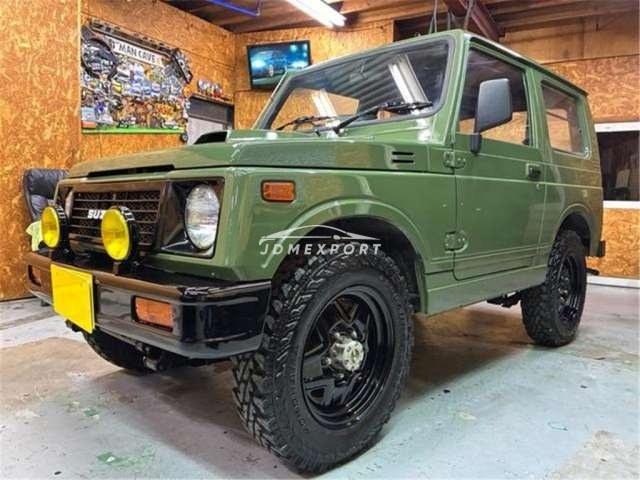
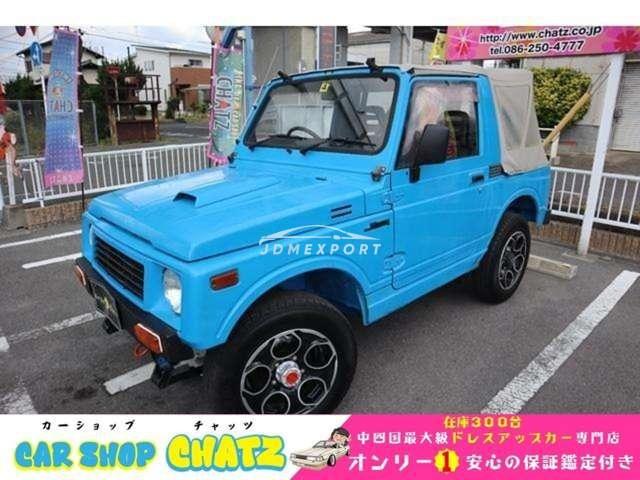

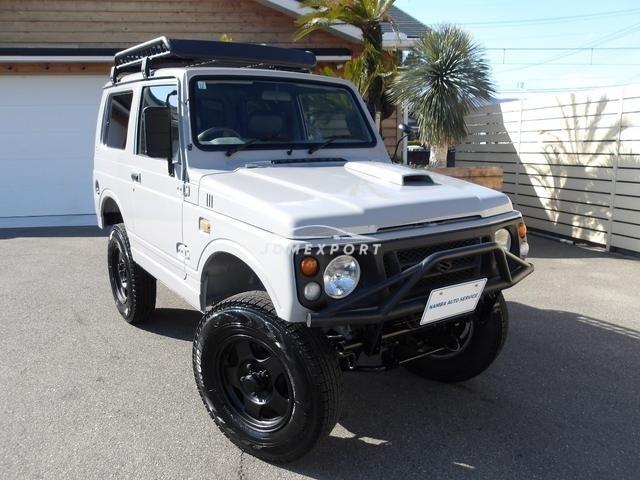
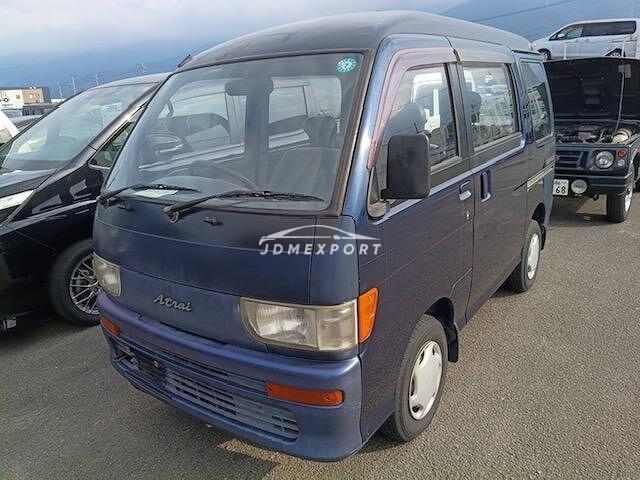

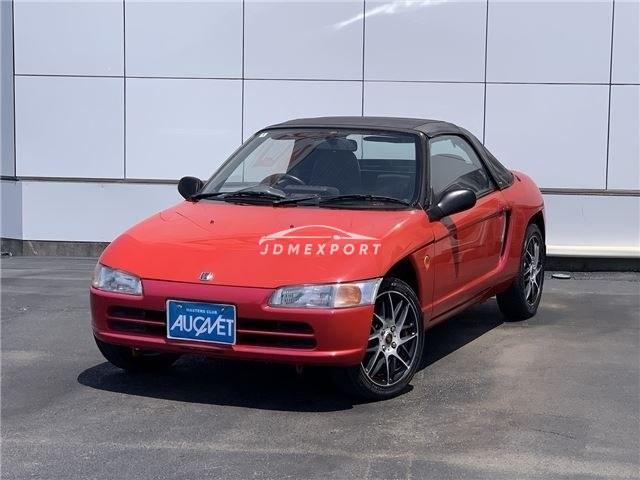
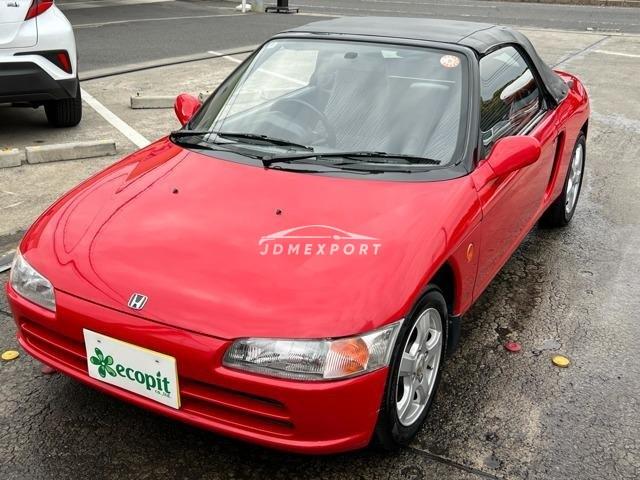
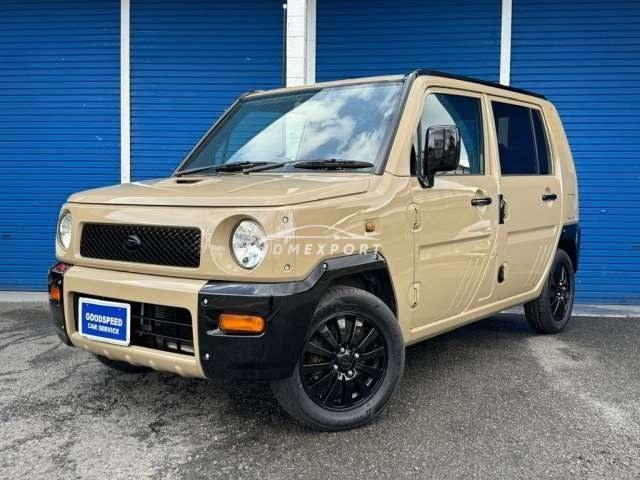
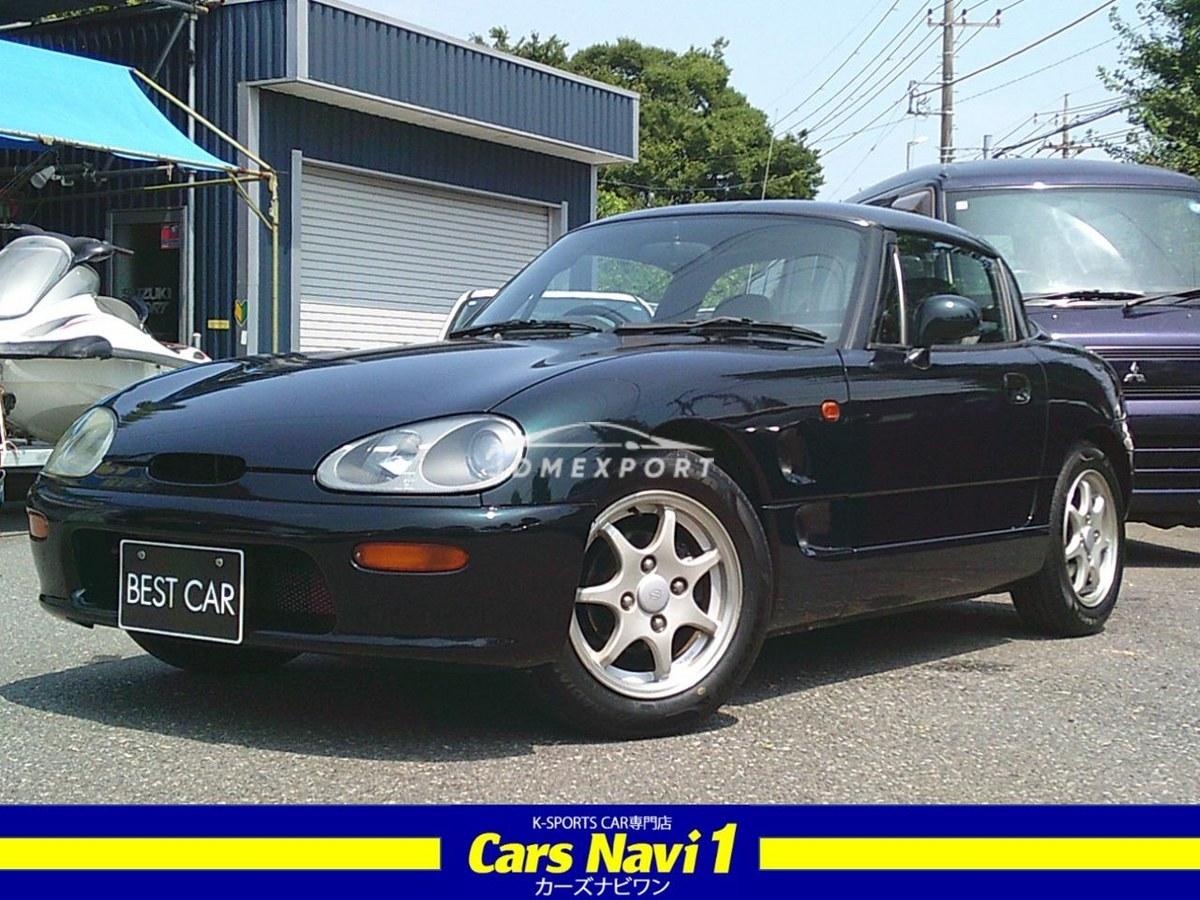
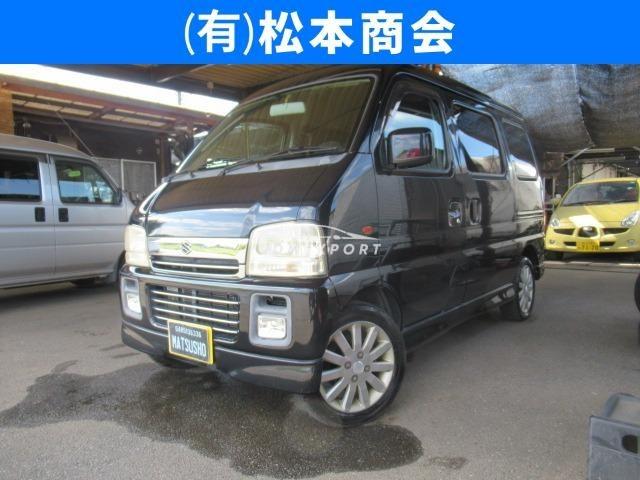
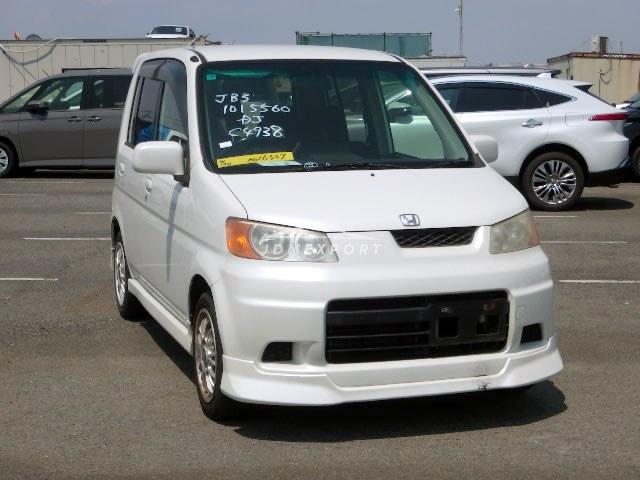
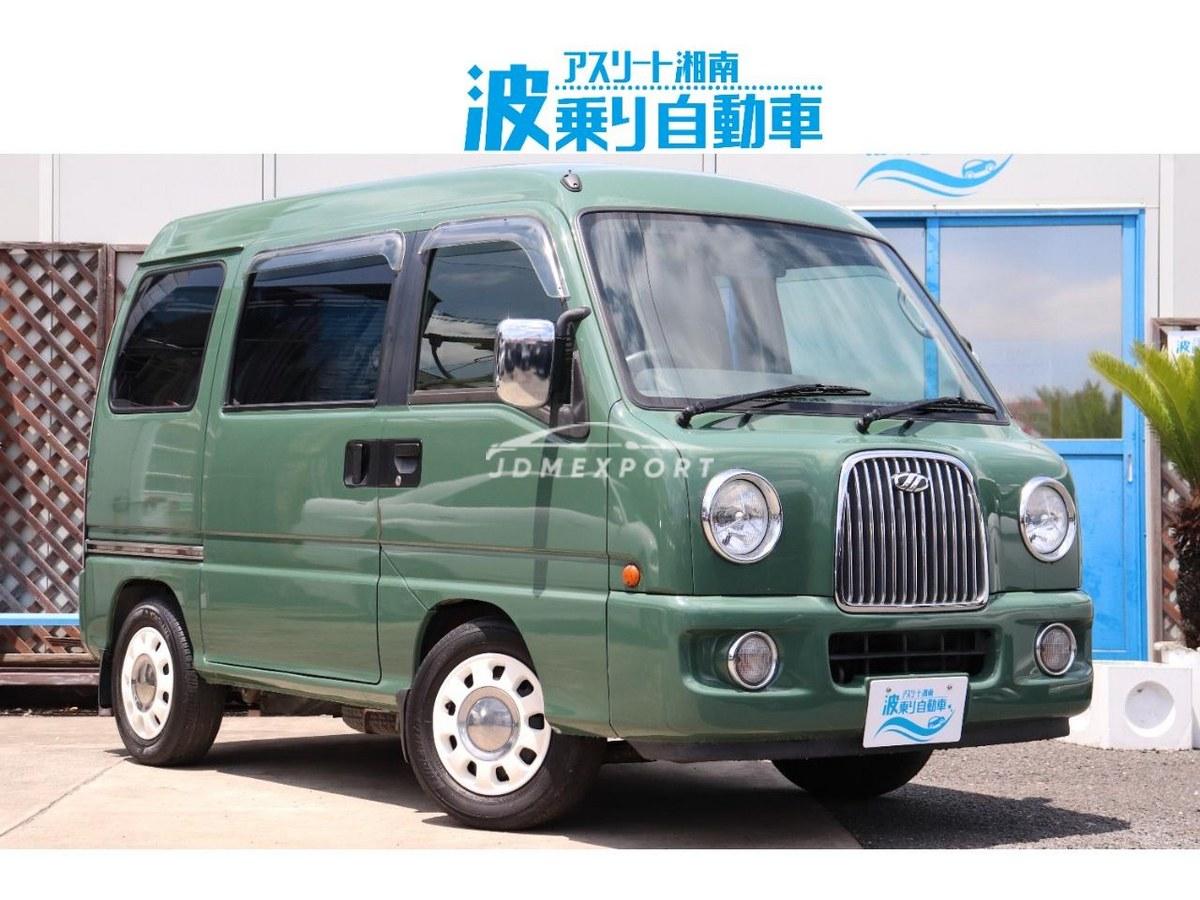
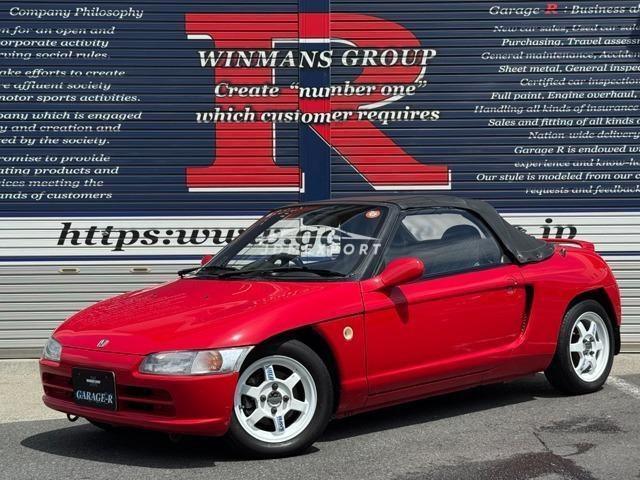
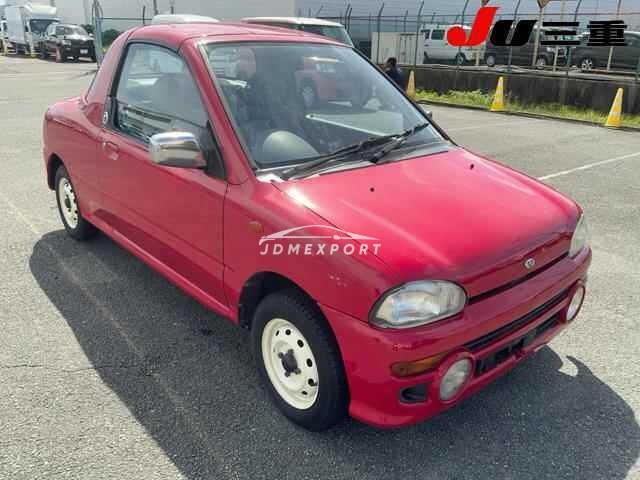
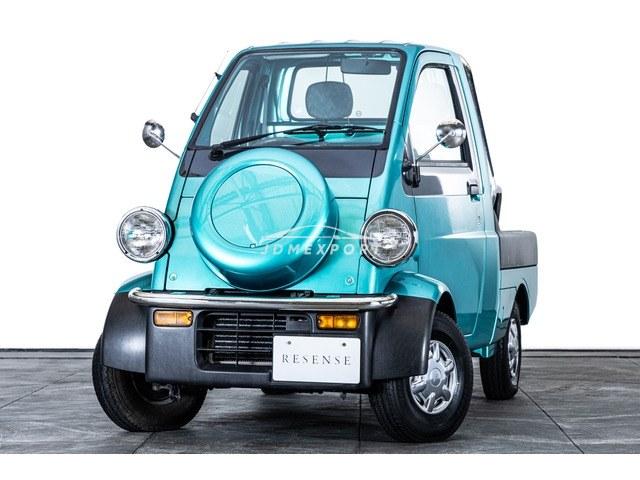
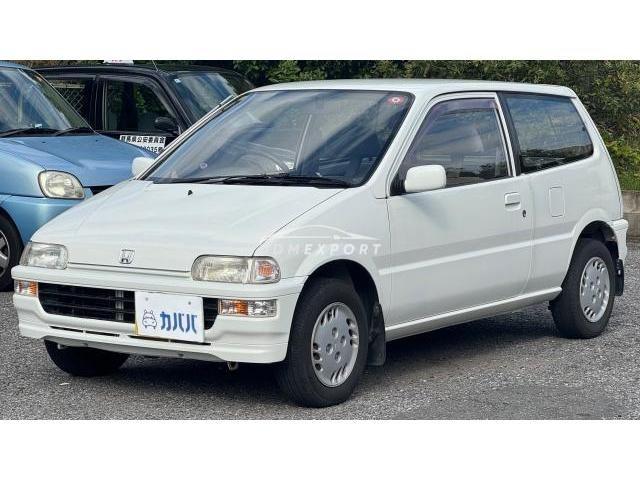
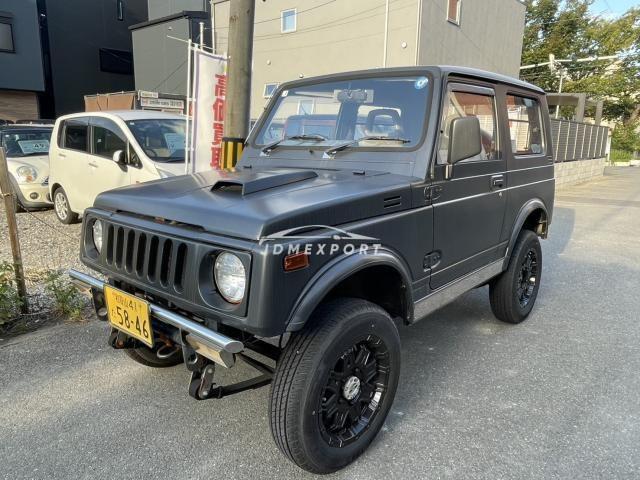
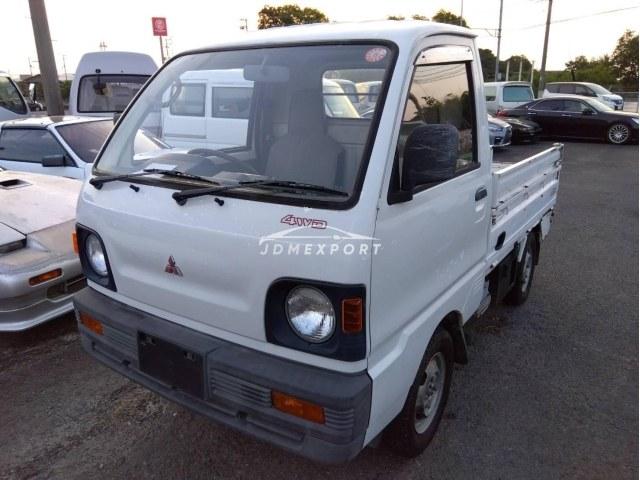
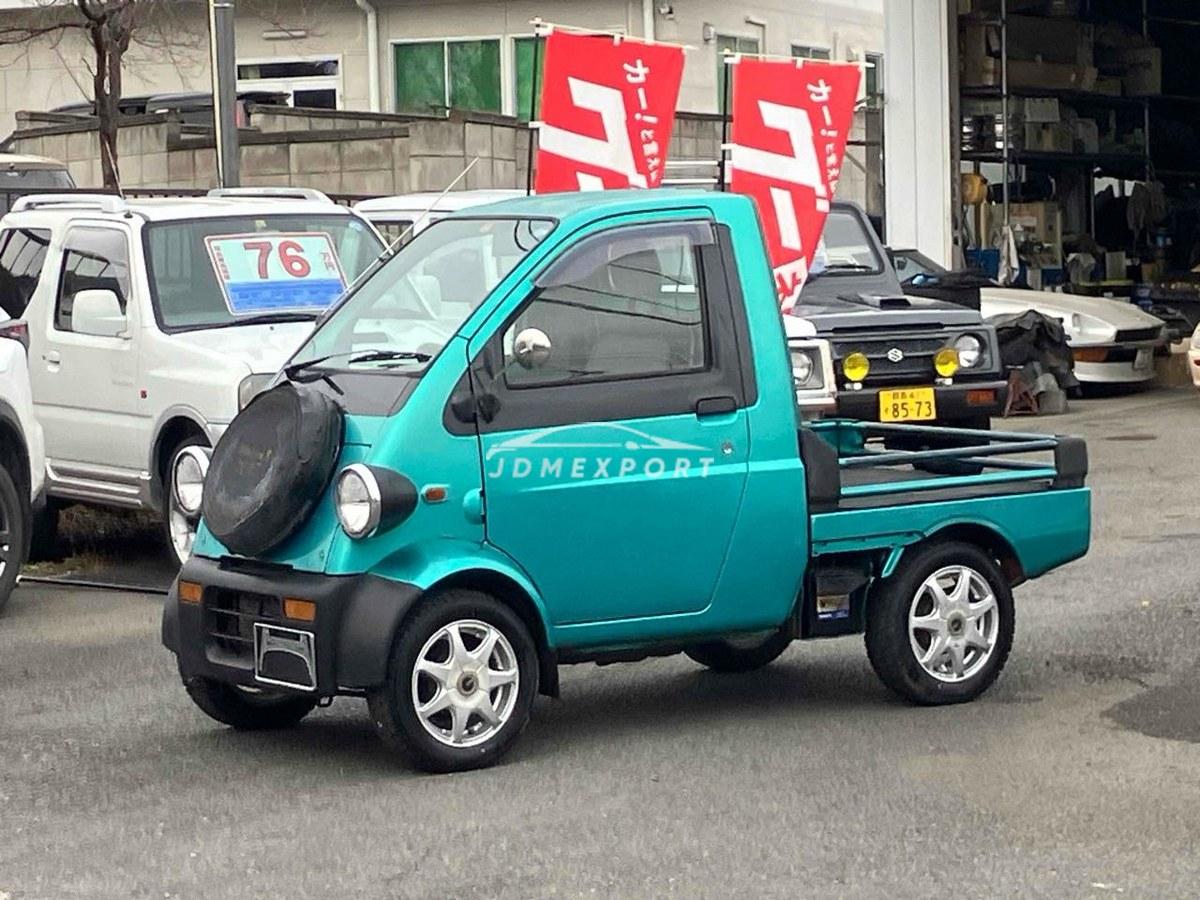
Kei cars are Japan’s smallest road-legal car class, limited to 660cc engines and a body no larger than 3.4 m long and 1.48 m wide. Japanese kei cars include micro sports cars like the Honda Beat and Autozam AZ-1, off-roaders like the Suzuki Jimny, and city cars built for tight streets. Once a kei car is 25 years old, it can be legally imported into the U.S. This guide covers the main models, the import rules and what to check before you buy.
What Is a Kei Car?
A kei car (keijidōsha, “light automobile”) is a vehicle class defined by Japanese law, with lower taxes and insurance costs for owners. The size and engine limits have changed over time:
| Period | Max engine | Max length | Max width | Max height |
|---|---|---|---|---|
| 1976–1989 | 550cc | 3.20 m | 1.40 m | 2.00 m |
| 1990–Sept 1998 | 660cc | 3.30 m | 1.40 m | 2.00 m |
| Oct 1998–present | 660cc | 3.40 m | 1.48 m | 2.00 m |
Japanese automakers also agreed to a voluntary 64 PS (63 hp) power cap, which is why nearly every turbo kei car from the ’90s makes the same number. Most kei cars eligible for U.S. import today were built under the 660cc rules, and cars built before October 1998 are slightly smaller than later ones.
Why Buy Japanese Kei Cars?
Kei cars are light, cheap to run and simple to work on. Tall rooflines and short overhangs make them roomier inside than their size suggests, and the sports models offer an unusually pure driving experience at low speeds. The trade-offs are real, though. They were built for Japanese roads, so they’re best on city streets and back roads. Most sports models top out around 85 mph (140 km/h), and crash protection on a ’90s kei car is well below a modern car’s. All Japanese-market kei cars are right-hand drive.
Best Kei Cars for Sale
| Model | Years | Layout | Engine | Power |
|---|---|---|---|---|
| Autozam AZ-1 | 1992–1995 | Mid-engine, RWD | 657cc turbo 3-cyl | 64 PS |
| Honda Beat | 1991–1996 | Mid-engine, RWD | 656cc NA 3-cyl | 64 PS |
| Suzuki Cappuccino | 1991–1998 | Front-engine, RWD | 657cc turbo 3-cyl | 64 PS |
| Suzuki Jimny (kei) | 1990–2018 | Front-engine, 4WD | ~660cc turbo 3-cyl | 64 PS |
| Mitsubishi Pajero Mini | 1994–2012 | Front-engine, 4WD | ~660cc, turbo optional | 52–64 PS |
Autozam AZ-1. Built by Mazda’s Autozam brand around Suzuki’s turbo three-cylinder, the AZ-1 is a mid-engine car with gullwing doors that weighs about 720 kg. Only around 4,400 were made, which makes it the rarest and most collectible kei car.
Honda Beat. A mid-engine roadster with three individual throttle bodies (Honda’s MTREC system), a 5-speed manual and a redline of 8,500 rpm. It’s the most popular of the trio and the easiest to find.
Suzuki Cappuccino. A front-engine roadster with near 50:50 weight distribution and a turbo engine. The roof panels can be set up as a coupe, T-top, targa or open convertible.
Together, these three are often called the “Heisei ABC” (AZ-1, Beat, Cappuccino).
Suzuki Jimny. The kei Jimny has a ladder frame, solid axles front and rear, and part-time 4WD with a low-range transfer case. The kei generations are the JA11 (1990–1995), JA12/JA22 (1995–1998) and JB23 (1998–2018). The 1.3L Jimny Sierra is not a kei car.
Mitsubishi Pajero Mini. Styled after the full-size Pajero, it offers 4WD and a turbo option. It’s a good fit for trails, snow and rural roads.
Other kei cars worth looking at include the Suzuki Alto Works and Daihatsu Mira TR-XX (turbo hatchbacks) and the Subaru Vivio RX-R. The Daihatsu Copen (built from 2002) starts becoming eligible in 2027.
How to Import a Kei Car to the USA
Importing a Japanese kei car comes down to three steps: federal eligibility, customs clearance and state registration.
1. Federal eligibility. A vehicle that is 25 years old, counted from its month of manufacture, is exempt from FMVSS safety standards and EPA emissions requirements. For example, in October 2026 a car built in or before October 2001 qualifies.
2. Customs clearance. Your customs broker files DOT Form HS-7 and EPA Form 3520-1 at the port of entry. Passenger cars have historically paid a 2.5% duty, but additional tariffs on Japanese-built vehicles have applied since 2025, so confirm the current total with your broker. Kei trucks and many cargo vans are classed as trucks and can face a 25% duty. Vehicles from Japan are also subject to USDA inspection, and a dirty underbody can cause delays and cleaning charges.
3. State registration. Federal clearance only gets the car into the country. Your state decides whether you can title, plate and drive it on public roads. Japanese chassis numbers aren’t 17-digit VINs, so many DMVs require a VIN verification. Some states restrict kei vehicles or right-hand-drive cars, and inspection and emissions rules vary, with California the strictest. Check with your DMV before you buy.
What to Check Before You Buy
Japanese odometers read in kilometers, so convert before comparing cars. Read the auction grade sheet and look at the photos closely, especially the underbody, since rust is common on cars from snowy regions. On turbo models, look for oil leaks and signs of turbo wear. Engines and drivetrains are generally easy to service, but body panels, lights and interior trim are much harder to find, so a clean, complete car is worth paying for.
Kei Car for Sale Directly from Japan
At JDM Export, we quote the car price together with estimated ocean freight, so you know your landed cost upfront. Every listing includes photos of the exterior, interior and undercarriage, plus the reported mileage. We handle Japanese export paperwork and vessel booking.
Browse our current kei car inventory, or contact us for a shipping estimate.